
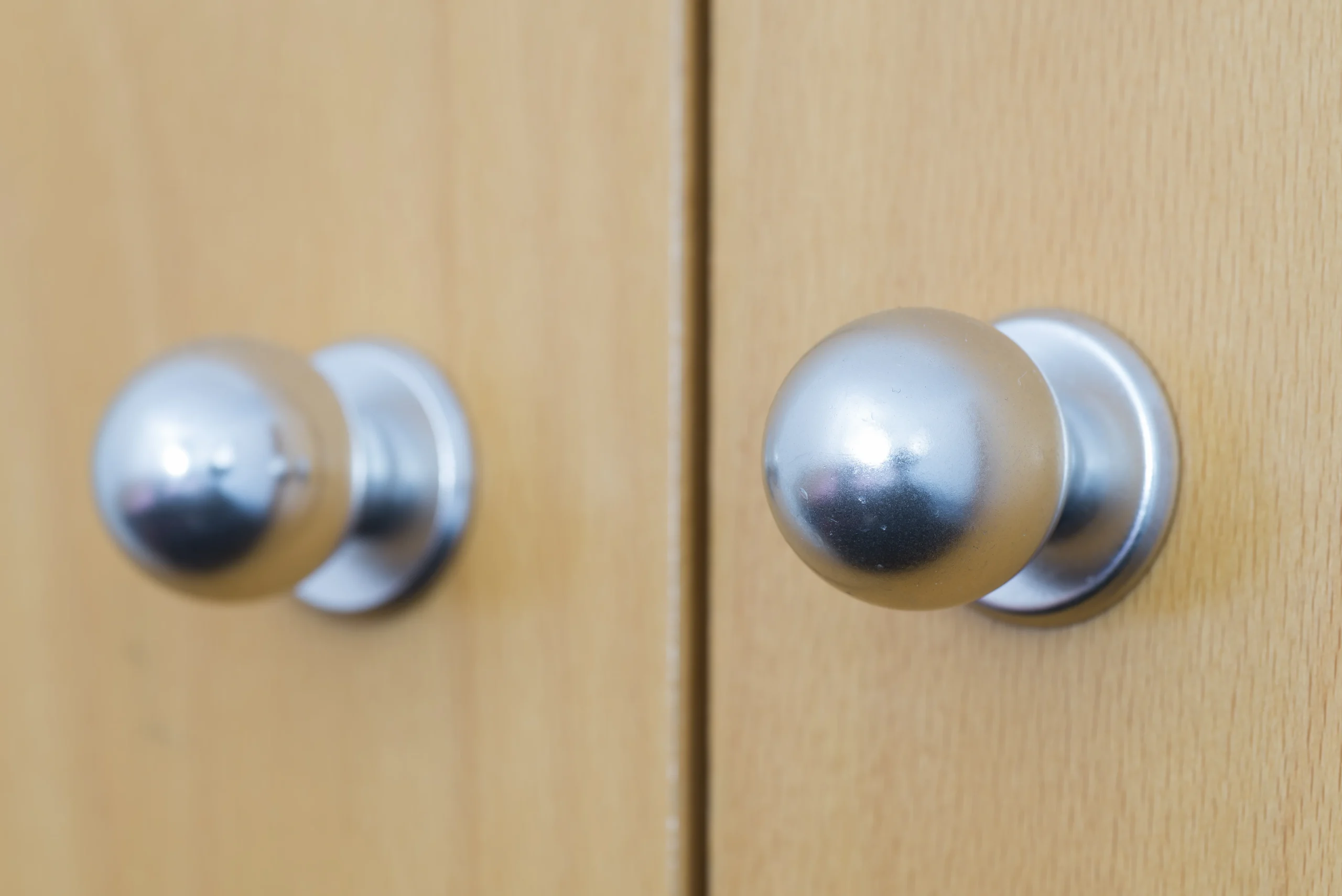
Hear from Our Customers
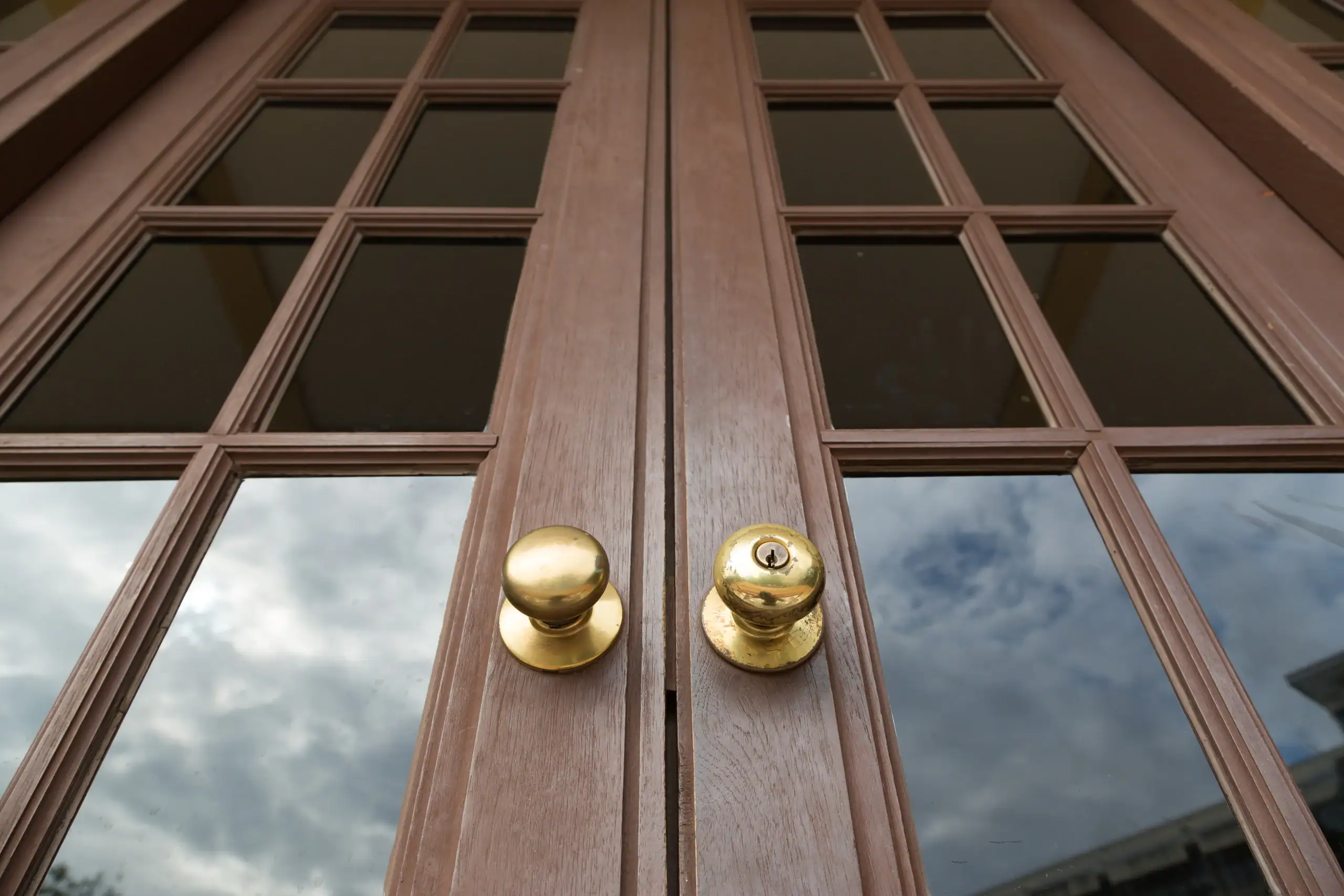
You shouldn’t need to jiggle your door knob for two minutes every time you come home. You shouldn’t wonder if the lock actually engaged when you left for work. And you definitely shouldn’t be standing outside in February because your door hardware decided to quit.
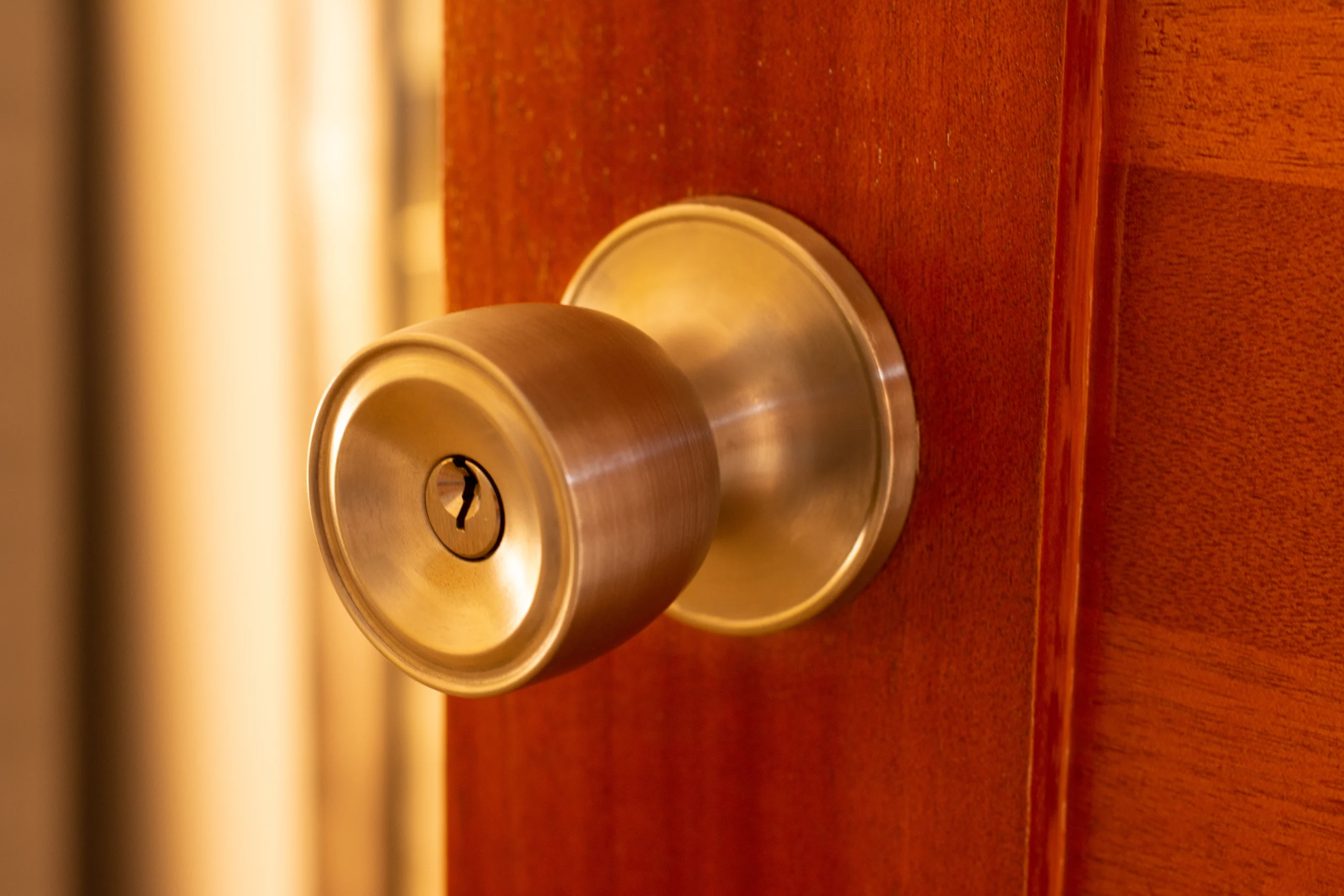
Proper door knob installation means your hardware aligns correctly with the strike plate, latches smoothly every single time, and provides actual security instead of the illusion of it. The difference between a quick install and a correct install shows up in how your door functions six months from now.
When your door knob replacement gets done right, you turn the handle once and you’re in. The deadbolt slides without force. The lever doesn’t droop or wiggle. You lock your door and actually feel confident that it’s locked. That’s what happens when someone who’s been doing this work for generations handles the installation instead of someone learning on your doorframe.
The McCausland family has been in locksmithing since the late 1800s. That’s not marketing language—that’s actual generational knowledge passed down through four generations of locksmiths who’ve seen every type of door, every type of frame, and every way an installation can go wrong.
Tom McCausland runs our operation—the largest locksmith service in the Delaware Valley—from our storefront on Lincoln Ave in Prospect Park. He learned from his father Chuck, who learned from his father before him. When you’re dealing with Haverford College housing, older Main Line homes, or newer construction around campus, that depth of experience matters because not every door is the same.
You’re not getting someone who watched YouTube videos last week. You’re getting technicians trained by the American Locksmith Association of Pennsylvania who show up in fully equipped mobile workshops with the specific tools and manufacturer-approved parts needed to do the job correctly the first time.
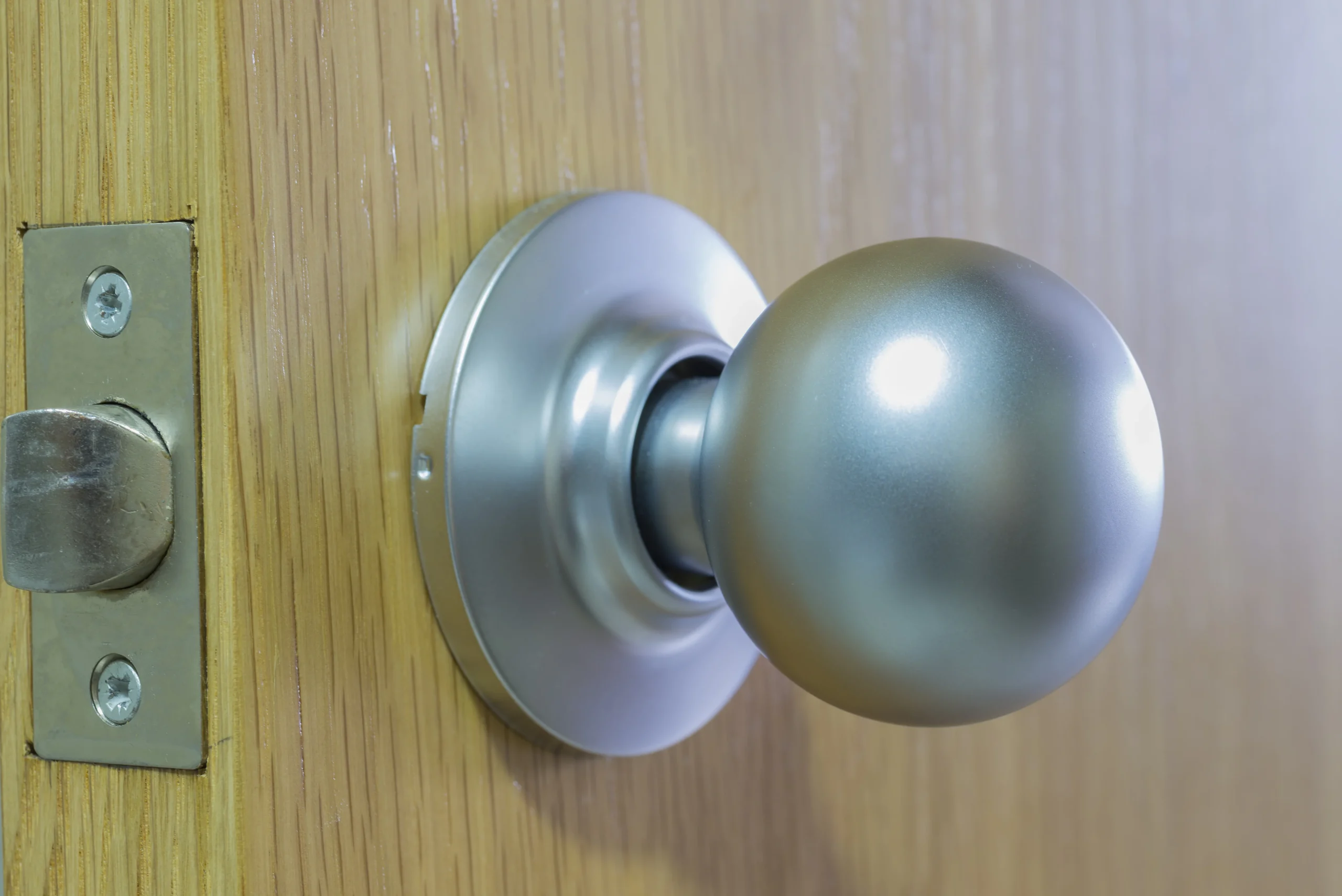
First, we look at what you’re working with. The existing door, the frame, the current hardware, and what you’re trying to accomplish. If you’re replacing old hardware, we check whether the new knob or lever will fit the existing holes or if we need to drill new ones. This matters because misaligned holes mean a door that never quite works right.
Then we remove the old hardware without damaging your door or frame. We measure and mark precisely where the new hardware needs to go. For door lever installation or knob replacement, the strike plate alignment is critical—if it’s off by even a few millimeters, you’ll be forcing that door closed for years.
We install the new hardware, test the alignment, adjust the strike plate, and make sure everything latches smoothly without excessive force. If you’re getting a smart lock or electronic deadbolt installed, we program it and verify it works with your phone app or code before we leave. You shouldn’t have to figure that out yourself after we’re gone.
Before we pack up, you try the door yourself. It should feel effortless. If it doesn’t, we adjust it until it does. The whole process typically takes 30 to 45 minutes per door, and you walk away knowing your door actually works.
Ready to get started?
You get the labor, the expertise, and the adjustment work needed to make your door function correctly. We bring the tools—not the basic screwdriver set, but the professional-grade equipment that makes precise installations possible. Our mobile workshops carry inventory from Kwikset, Medeco, and Schlage, so if you need specific hardware, we likely have it on the truck.
Around Haverford College and the surrounding neighborhoods, we see a lot of older homes with non-standard door preparations. Sometimes the previous hardware was installed incorrectly. Sometimes the door has settled over the years and the frame is no longer square. We account for these issues during installation rather than ignoring them and hoping the new hardware compensates.
If you’re in student housing or faculty residences near campus, rekeying is often part of the conversation. You want to know who has keys to your space, especially if you’re moving into a rental property. We handle lever repair, door knob replacement, and rekeying in the same visit if that’s what makes sense for your situation.
The work comes with transparent pricing explained before we touch anything. You know what it costs, what you’re getting, and how long it takes. No surprise charges because the job “took longer than expected.” We’ve been doing this long enough to estimate accurately.
Installation typically runs between $150 and $200 per door, depending on the hardware you’re installing and whether we’re working with existing holes or drilling new ones. That covers the labor, alignment work, and testing to make sure everything functions correctly.
If you’re installing smart locks or electronic deadbolts, expect the higher end of that range because programming and setup take additional time. Basic lever installation on a standard door with existing holes takes less time and costs less. If your door or frame needs repair work before we can install new hardware properly, that’s a separate conversation we have before starting.
The hardware itself is separate from installation labor. You can supply your own hardware if you’ve already purchased it, or we can provide manufacturer-approved products from our inventory. Either way, the installation cost remains consistent because the work required is the same.
Yes, same-day service is available throughout Delaware County including Haverford College. We typically arrive within 20 to 30 minutes for emergency situations like lockouts, and we can usually schedule standard installations within a few hours if you call during business hours.
Our mobile workshops carry common hardware and all the tools needed for residential locksmith work, so we’re not making multiple trips or telling you we need to come back another day with different equipment. If you need specific hardware that we don’t have on the truck, we’ll let you know upfront and can often source it quickly from our Prospect Park location.
The advantage of calling a local locksmith instead of scheduling through a big-box store is flexibility. We’re not locked into appointment windows three weeks out. If your door hardware failed and you need it fixed today, that’s what we do.
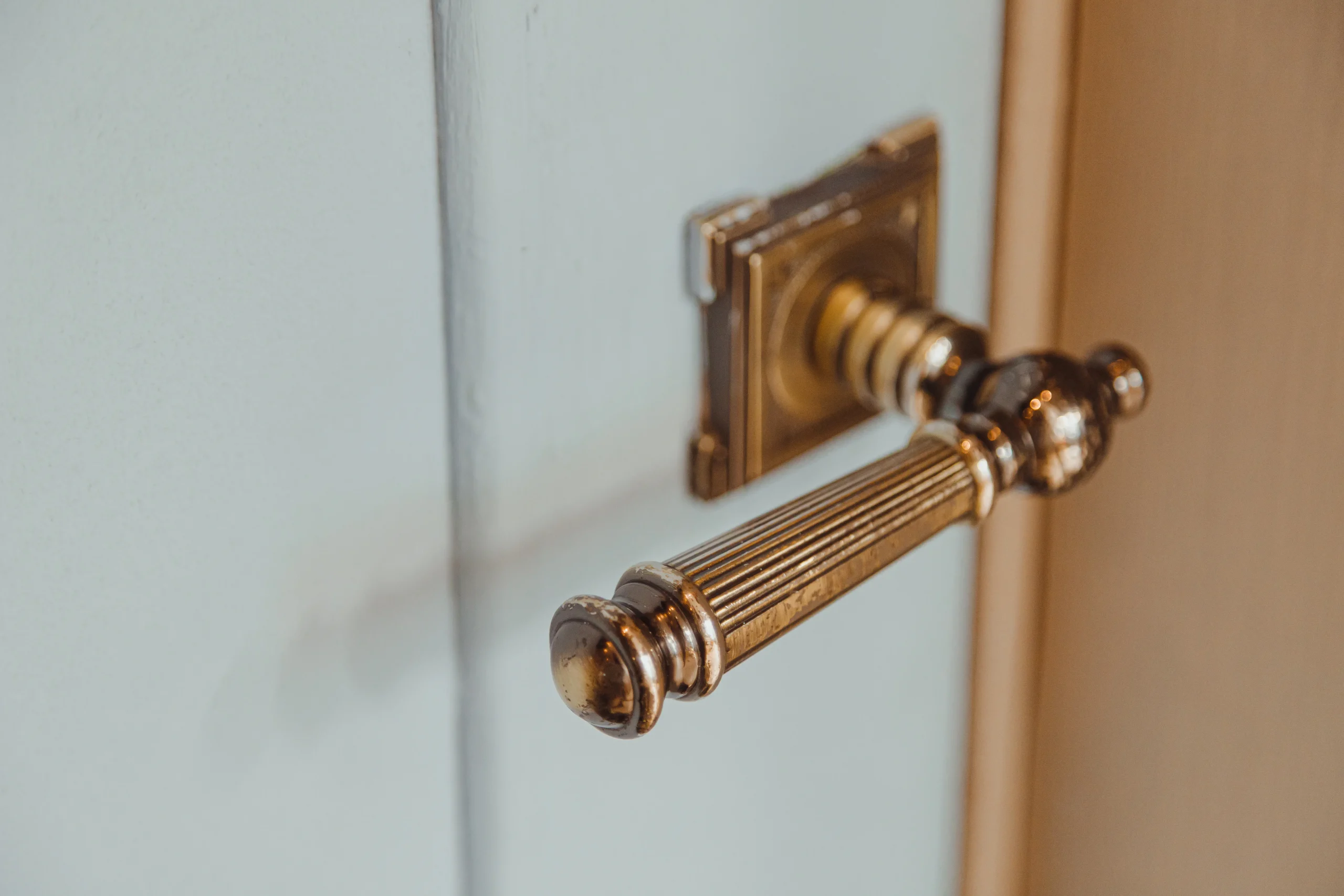
The installation process is nearly identical, but levers are often easier to operate if you have mobility issues or you’re carrying things. Levers require a downward push rather than a twisting grip, which matters if you’re juggling grocery bags or you have arthritis.
From an installation standpoint, both require precise alignment with the strike plate and proper depth drilling for the latch mechanism. Levers can sometimes show misalignment more obviously than knobs because any droop or wobble is immediately visible. That’s why proper installation matters—a poorly installed lever looks wrong and feels wrong every time you use it.
Around Haverford College, we see a lot of requests for lever installation in accessible housing and faculty residences where ADA compliance or ease of use is a priority. Both knobs and levers provide the same security when installed correctly, so the choice usually comes down to personal preference and functionality.
Not necessarily, but it’s worth considering depending on your situation. If you’re moving into a new place—common around Haverford College with student and faculty housing turnover—you have no idea how many copies of the previous keys are floating around. Rekeying ensures that only your new keys work.
If you’re just replacing worn-out hardware in a home you’ve lived in for years and you’re confident about who has keys, rekeying might not be necessary. You can often reuse your existing lock cylinder in the new door knob or lever, which saves money.
We can handle both in the same visit. Install your new hardware and rekey the locks so you’re starting fresh with new keys. The additional cost for rekeying is minimal compared to the peace of mind of knowing exactly who can access your property. It’s especially relevant in college areas where rental turnover is high and previous tenants may not have returned all key copies.
A quality door knob or lever that’s installed correctly should last 10 to 15 years with normal residential use. The lifespan depends more on the quality of the hardware you choose and whether it was installed properly than on how often you use the door.
Cheap hardware fails faster regardless of installation quality. Builder-grade knobs might start showing problems within a few years. Mid-range products from manufacturers like Kwikset or Schlage typically hold up well for a decade or more. High-security options from Medeco can last even longer because they’re built with better materials and tighter tolerances.
Poor installation shortens the lifespan significantly. If the hardware isn’t aligned correctly, you’re putting stress on the internal mechanisms every time you turn the knob. That accelerated wear means you’ll be replacing it again in three to five years instead of ten. Proper installation from someone who knows what they’re doing protects your investment in quality hardware.
Yes, we install electronic locks, smart deadbolts, and keyless entry systems regularly. The installation process is similar to traditional hardware, but there’s additional work involved in programming the lock, connecting it to your phone app if applicable, and testing all the electronic functions before we leave.
Smart locks need proper alignment just like traditional locks, but they’re less forgiving of installation errors because the electronic components can’t compensate for mechanical misalignment. If the deadbolt doesn’t slide smoothly, the motor will struggle and drain the battery faster. If the strike plate is off, the lock might report that it’s secured when it’s actually not fully latched.
We program your access codes, verify the Bluetooth or Wi-Fi connection works correctly, and walk you through the basic functions. Around Haverford College, we see a lot of smart lock installations in rental properties where landlords want remote access management and students want keyless entry. The technology works well when it’s installed by someone who understands both the mechanical and electronic aspects of the hardware.