
Hear from Our Customers
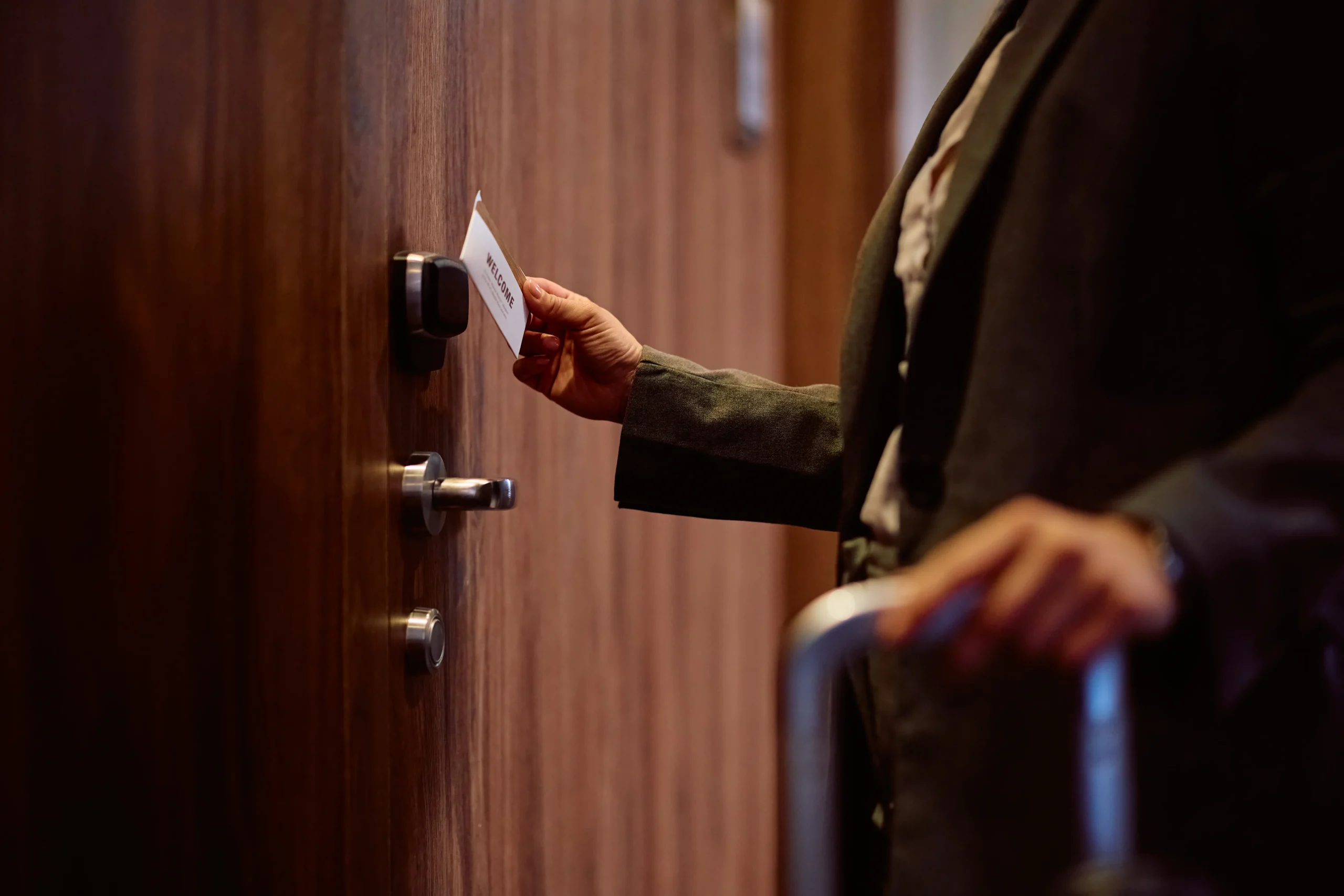
You get a complete digital record of every door entry. No more guessing who was in the building last Tuesday at 6 PM or whether a terminated employee still has access.
Your insurance company notices too. Most commercial policies drop premiums 5-15% annually when you install access control systems, and you’ll cut administrative costs by 30-40% because you’re not constantly rekeying locks or tracking down missing keys.
When someone leaves your company, you deactivate their credentials in seconds from your phone or computer. No locksmith visit, no wondering if they made copies, no emergency rekey at $500 a pop. The system works for you even when you’re not there, logging every entry and sending alerts when someone tries to access restricted areas.
We’ve been securing buildings since the late 1800s when Charles McCausland Senior learned locksmithing from his father. Today, fourth-generation locksmith Tom McCausland and his daughter Chrissy run the largest locksmith operation in the Delaware Valley from our fully stocked Prospect Park location, just minutes from Trainer.
You’re not getting a fly-by-night security company. You’re working with manufacturer-authorized technicians for Kwikset, Medeco, and Schlage who’ve installed access control systems across Delaware County’s commercial properties for decades.
The Trainer area’s mix of industrial facilities, small businesses, and growing commercial operations needs security that actually works. We’ve seen what fails and what lasts, and we only install systems we’d put on our own building.

We start with a walkthrough of your Trainer facility to identify which doors need electronic access control and which areas require different security levels. You might need basic keycard entry at the front door but biometric authentication for your server room or inventory storage.
Next, we map out the system architecture. Cloud-based access control systems now handle 52% of commercial installations because you can manage everything from your phone, but we’ll recommend what actually fits your operation and budget. Some businesses need gate access control systems for parking areas, others need door entry systems integrated with existing CCTV.
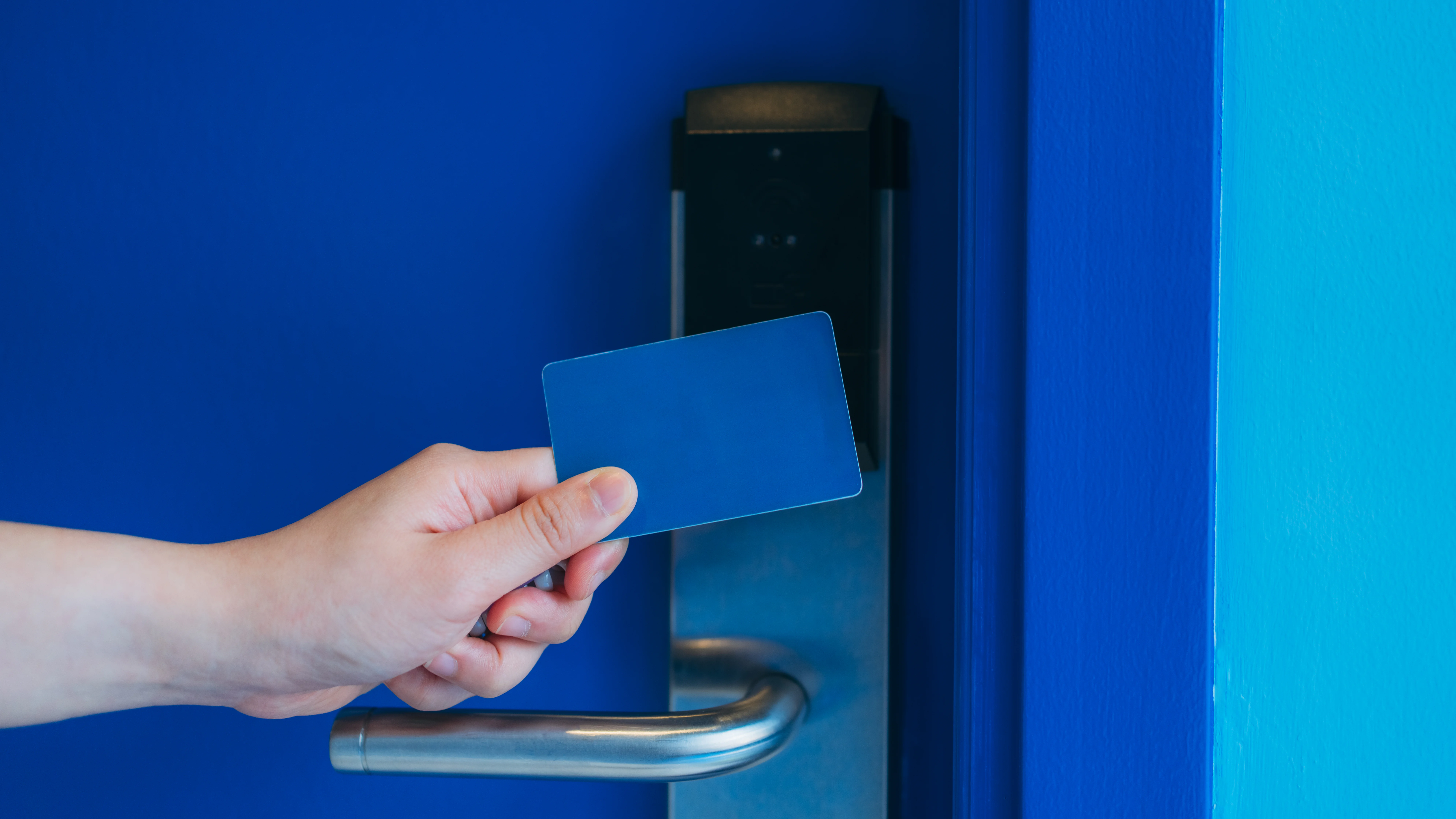
Installation typically takes one to three days depending on how many access points you’re securing. We mount card readers or keypads at each door, install electric strikes or magnetic locks, run wiring to your network, and configure the management software. You’ll see exactly how to add new users, set access schedules, and pull entry reports before we leave.
The system goes live once you’ve tested every door and credential. We program initial user access, train your team on daily management, and set up mobile alerts so you know immediately if something’s wrong.
Ready to get started?
Your access control system installation includes commercial-grade door hardware designed for high-traffic use, not residential equipment that fails in six months. Electric strikes, magnetic locks, and door position sensors get installed at every controlled entry point.
You receive management software that works on your computer and phone, with unlimited user credentials and detailed audit logs showing who entered which doors and when. Most Trainer businesses set different access levels—your warehouse staff doesn’t need access to the office, and your office team doesn’t need access to secure storage.
Mobile credentials are becoming standard because employees can use their phones instead of carrying another card. The technology also lets you grant temporary access to contractors or delivery drivers without handing out physical keys that never come back.
Integration with your existing security matters too. We connect your new access control to current CCTV systems so you get video footage matched with entry logs, and we can tie in intrusion alarms that arm automatically when the last person leaves. Delaware County businesses are moving toward complete building access control systems that manage everything from one platform, and we build with that growth in mind.

Most small business installations in Trainer run $2,500 to $4,300 per door when you’re securing three to five entry points. That includes the card reader or keypad, electric lock hardware, wiring, network connection, management software, and programming.
A basic setup for a small office with one exterior door and one interior restricted area typically costs $5,000 to $8,000 total. Larger facilities with multiple buildings or gate access control systems will run higher, but you’re looking at equipment that lasts 10-15 years with minimal maintenance.
The return happens fast. If you’re rekeying locks twice a year at $400 each time, paying for lost key replacements, or dealing with one security incident, the system pays for itself. Add the insurance premium reduction most businesses see, and you’re often cash-positive within two years.
Most commercial doors in Trainer can retrofit with access control without replacing the entire door or frame. We install electric strikes that work with your current lockset, or we swap the mechanical lock for an electronic one that mounts in the same holes.
Older hollow-core doors or damaged frames sometimes need reinforcement or replacement because electronic locks require solid mounting points. We’ll tell you during the site assessment if your doors need work—usually it’s just a matter of adding a strike plate reinforcement or adjusting the door closer so it latches consistently.
Glass doors, overhead doors, and gates each need specific hardware. Magnetic locks work well for glass storefront entries, and we install card readers with electric gate operators for parking or loading areas. The goal is making your existing building more secure without a complete renovation.
Commercial access control systems include battery backup that keeps doors functioning during power outages. The batteries maintain lock power and continue logging entries for 4-8 hours typically, which covers most outages in the Trainer area.
Your access credentials stay programmed in the local controller at each door, so even if your internet goes down, employees can still use their keycards or codes. You won’t be able to add new users or pull reports remotely until connectivity returns, but nobody gets locked out and security stays active.
Cloud-based systems sync automatically when internet service restores, uploading any entries that happened offline. Some businesses in Delaware County with critical security needs add cellular backup connections so the system stays online even if the main internet fails. We’ll recommend backup options based on how much continuous remote access matters to your operation.
You add new employees through the management software in about 30 seconds. Enter their name, assign which doors they can access and during what hours, then program their credential—either a keycard, fob, PIN code, or mobile phone credential.
When someone leaves your company, you deactivate their access immediately from any computer or smartphone. Their credential stops working at every door within seconds, and you get an alert if they try to use it. No more wondering if they made key copies or forgot to return their card.
This is where access control systems save the most headaches for Trainer businesses. Traditional key management means rekeying locks every time someone leaves, especially if they had master keys. With electronic access, you’re done in seconds and you have a permanent record of their last entry. You can also set automatic schedules—maybe your cleaning crew only has access from 6 PM to 10 PM on weekdays, and their credentials simply don’t work outside those hours.
Most modern access control systems integrate with CCTV and intrusion alarms, and that integration is where you get the most security value. When someone badges in at the front door, your system can pull up the camera feed automatically so you see who actually used that credential.
The alarm system integration is even more useful. Your access control can automatically arm the intrusion alarm when the last authorized person leaves and disarm it when the first person arrives in the morning. No more false alarms because someone forgot the alarm code, and no more wondering if the building is actually secured overnight.
We install building access control systems across Delaware County that tie everything together—access logs, video footage, and alarm events all timestamp in one platform. When you’re investigating an incident or just checking if your manager locked up properly, you see the complete picture instead of checking three different systems.
A basic installation with two to four doors usually takes one full day. We show up in the morning, mount the hardware, run wiring, configure the system, and have you operational by end of business.
Larger facilities with eight or more access points typically need two to three days. We work during business hours when possible, but some businesses in Trainer prefer we install after hours or on weekends to avoid disrupting operations. The actual door hardware installation is quick—most of the time goes into running network cables properly and programming all the access rules and schedules.
You can use the building during installation. We complete one door at a time, so you’re never completely without access. The final step is training your team on managing the system, which takes about an hour. We walk through adding users, pulling reports, and handling common situations like a lost keycard or someone who needs temporary access.