
Hear from Our Customers
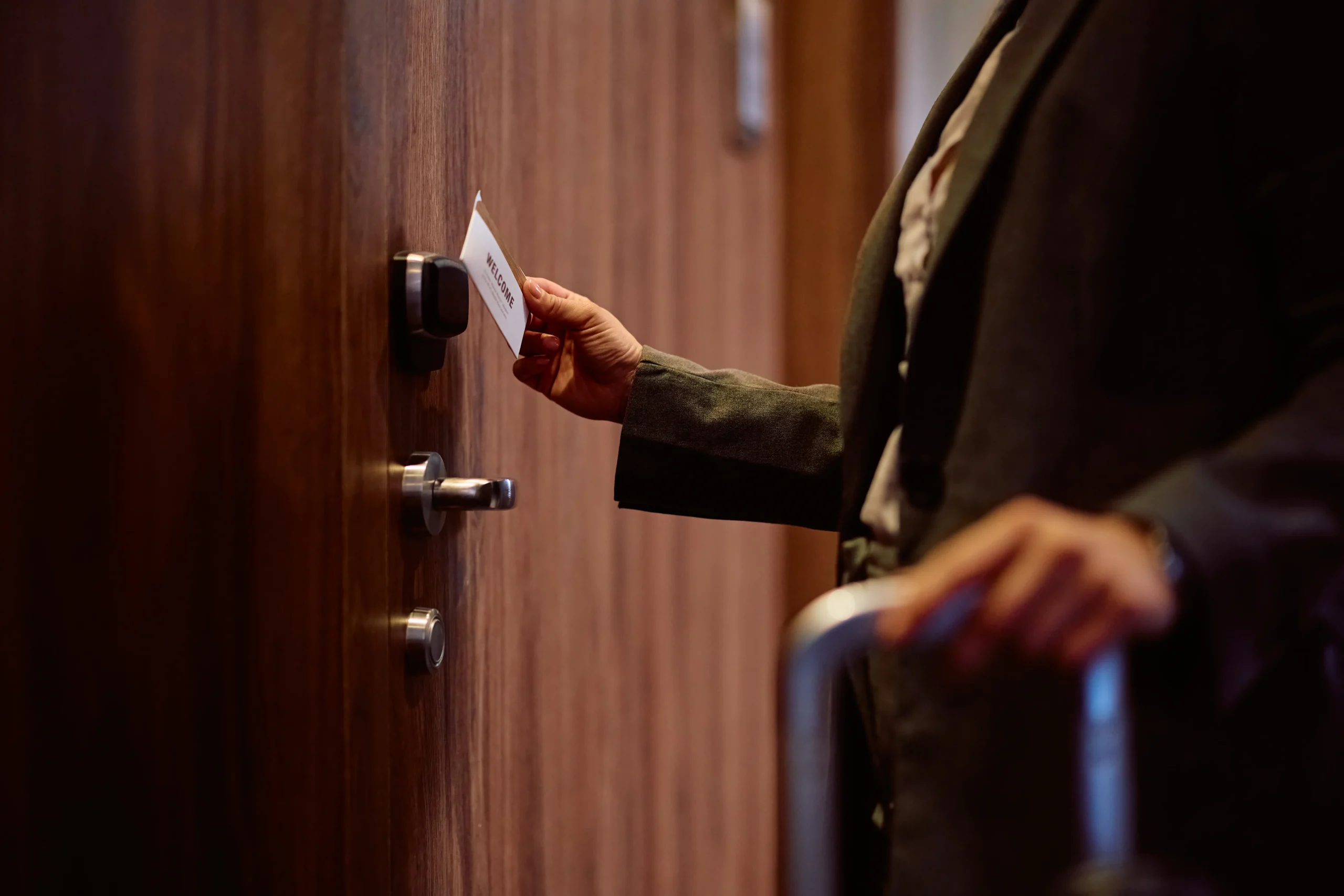
You’re not just locking doors anymore. You’re tracking entry patterns, responding to security events in real time, and eliminating the chaos of managing dozens of physical keys across multiple employees and shifts.
When someone leaves your company, you deactivate their credentials in seconds instead of wondering if they made copies or who else has access. When there’s an incident, you pull up exact timestamps and entry logs instead of guessing. When your insurance company asks about your security measures, you have documentation that can actually lower your premiums.
Access control systems let you grant temporary access to contractors without handing over keys, restrict entry to sensitive areas based on clearance levels, and get alerts the moment someone tries to access a door they shouldn’t. That’s not just convenience. That’s control over one of your biggest vulnerabilities.
We’ve been solving security problems in Delaware County since the 1880s. We’re not a franchise or a fly-by-night operation that showed up last year. We’re the largest locksmith company in the Delaware Valley, and we’ve stayed that way because we know what works and what doesn’t.
Our Prospect Park storefront is fully stocked, our technicians are members of the American Locksmith Association of Pennsylvania, and we’ve installed access control systems in everything from small Rutledge offices to large commercial facilities across the region. We work with Kwikset, Medeco, and Schlage because quality matters when you’re protecting your business.
You’re getting people who’ve seen every type of building, every security challenge, and every botched installation that someone else tried to fix on the cheap.

We start with a free walk-through of your Rutledge property. You show us what you’re trying to protect, who needs access to what, and where your concerns are. We’re looking at door types, existing infrastructure, network capabilities, and how people actually move through your space during a normal day.
Then we recommend a system that fits your situation. Not the most expensive option. Not the one with features you’ll never use. The one that solves your actual problems. We explain what hardware goes where, how you’ll manage credentials, and what it looks like when someone tries to get in.
Installation happens on your timeline. We mount card readers, wire electronic locks, integrate with your network if you want cloud management, and set up the software you’ll use to control everything. Before we leave, you know how to add users, revoke access, pull reports, and troubleshoot basic issues. And if something goes wrong later, you’re calling a local company that’s been here for over a century, not a support line three states away.
Ready to get started?
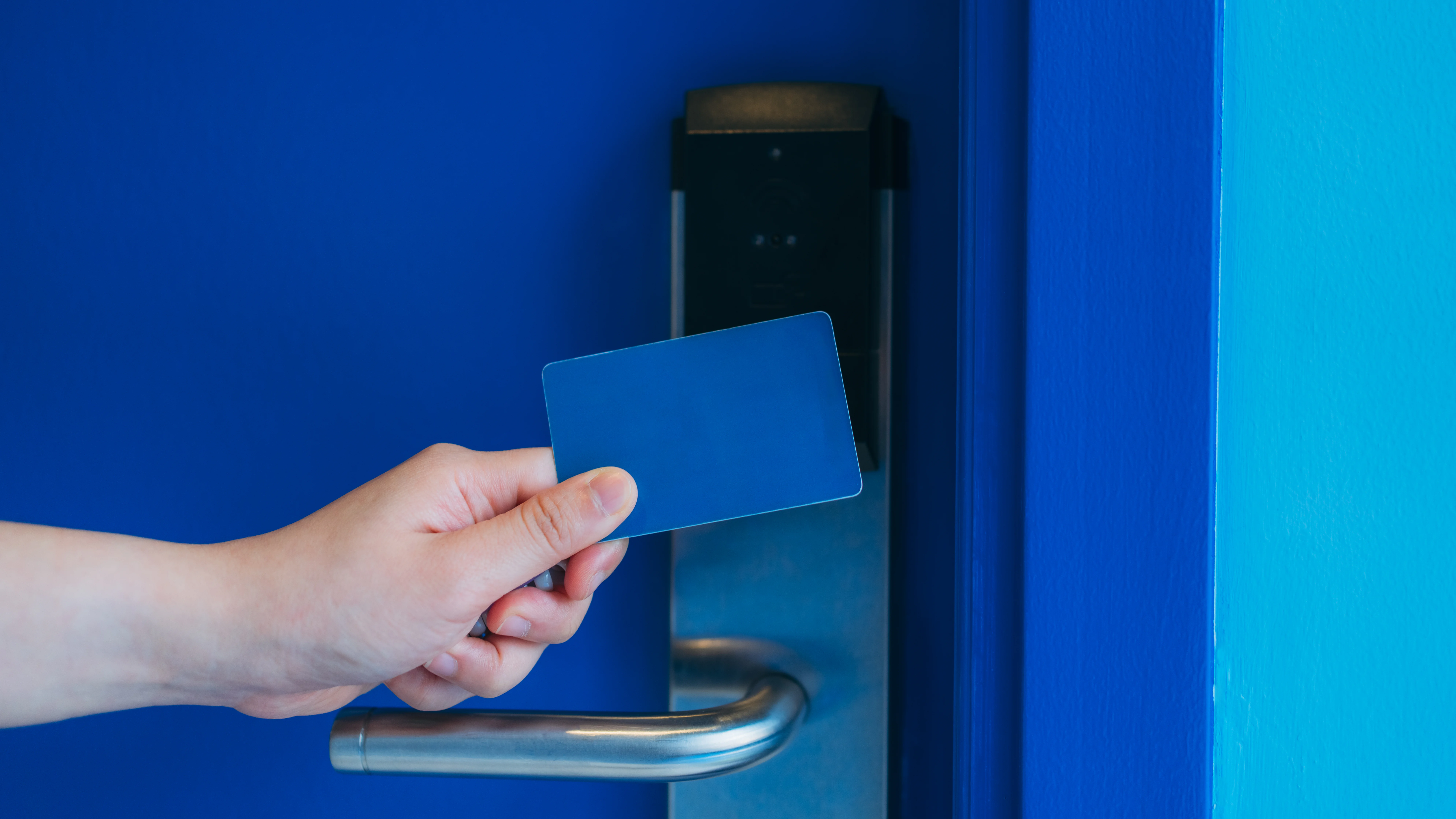

You’re getting door access control systems designed for commercial use, not residential hardware that’ll fail under heavy traffic. Card readers, biometric scanners, or mobile credential systems depending on what makes sense for your operation. Electronic locks and magnetic locks that integrate with your existing doors and frames. Panic bars that meet fire code while staying secure.
The system connects to software that lets you manage everything from one place. Add new employees in seconds. Set schedules so contractors can only enter during business hours. Get notifications when specific doors open. Pull audit trails when you need to verify who was where.
For Rutledge businesses, this matters because you’re operating in a small borough where everyone knows everyone, but you still need professional-grade security. Delaware County has seen steady growth in commercial security requirements, and insurance companies are paying attention. A documented access control system can reduce your premiums and protect you from liability if something happens. We’re not just installing hardware. We’re giving you a system that proves you took security seriously.
It depends on how many doors you’re securing and what level of control you need. A basic setup for a single entry point with card readers and electronic locks typically starts around $2,000 to $3,000 including installation. That gets you the hardware, software, and initial credential setup.
If you’re securing multiple doors, adding biometric readers, or integrating with existing security cameras and alarm systems, you’re looking at more. A mid-sized commercial building with five to ten access points usually runs between $8,000 and $15,000. The good news is that these systems pay for themselves through reduced insurance costs, eliminated rekeying expenses, and preventing losses from unauthorized access.
We give you an exact quote after the walk-through because guessing doesn’t help anyone. You’ll know what you’re paying for and why each component matters before we start any work.
Most of the time, yes. We evaluate your current door hardware during the walk-through to see what can stay and what needs upgrading. If you have commercial-grade doors and frames in good condition, we can usually retrofit them with electronic locks or magnetic locks without replacing the entire setup.
Older residential-style doors or damaged frames might need reinforcement or replacement to support access control hardware properly. We’re honest about that upfront because installing professional equipment on inadequate doors just creates problems later.
The goal is to work with what you have whenever possible while making sure the final system is secure and reliable. We’ve done hundreds of these installations across Delaware County, so we know how to adapt access control systems to different building types without unnecessary demolition or expense.
Access control systems have backup power supplies that keep them running during outages, and most electronic locks have mechanical overrides so you’re never completely locked out. If there’s a system failure, you can still use a physical key to get in while we troubleshoot the issue.
For software or network problems, we can usually diagnose and fix things remotely if you’re using a cloud-based system. For hardware failures, we stock replacement parts at our Prospect Park location and can get to Rutledge quickly. You’re not waiting three days for a technician to fly in from another state.
Regular maintenance helps prevent most problems. We recommend an annual check to make sure readers are clean, locks are functioning smoothly, and software is updated. But when something does go wrong, you’re calling a local company that’s been here since the 1880s. We answer the phone and we show up.
That’s one of the biggest advantages of access control over traditional keys. When someone leaves your company, you log into the system and deactivate their credential immediately. Their card or code stops working within seconds. No wondering if they made copies or handed their key to someone else.
If an employee changes roles and no longer needs access to certain areas, you adjust their permissions without touching any hardware. Someone moving from the warehouse to the office loses access to the loading dock and gains access to the conference room with a few clicks.
You can also set temporary access for contractors, cleaning crews, or seasonal workers. Give them entry during specific hours for specific doors, then let those credentials expire automatically when the job is done. It’s faster, more secure, and eliminates the administrative headache of tracking down physical keys every time someone’s role changes.
Yes, and mobile credentials are becoming more popular for good reason. Employees use their smartphones to unlock doors through Bluetooth or NFC, which means they don’t need to carry separate cards or fobs. If someone loses their phone, you deactivate their mobile credential just like you would a physical card.
Mobile systems work especially well for businesses where employees are constantly on the move or where issuing and tracking physical cards becomes a hassle. The technology is reliable, and most modern access control platforms support it.
The catch is that your building needs compatible hardware and a system that supports mobile credentials. Not every older access control setup can handle it without upgrades. We’ll tell you during the walk-through whether your current infrastructure can support mobile access or if you’d need to replace certain components. For new installations in Rutledge, we typically recommend systems that give you the option to use cards, codes, or mobile credentials so you have flexibility as your needs change.
For a small business with one or two doors, installation usually takes a single day. We mount the readers, install the electronic locks, run any necessary wiring, set up the software, and train you on how to use everything before we leave.
Larger commercial buildings with multiple entry points, integration with existing security systems, or complex access requirements might take two to three days depending on the scope. If we’re retrofitting older doors or running new network cables, that adds time.
We schedule installations to minimize disruption to your normal operations. For businesses that can’t afford downtime during regular hours, we can work evenings or weekends. You’ll know the timeline before we start so you can plan accordingly. And we don’t leave until the system is fully functional and you’re comfortable managing it.