
Hear from Our Customers
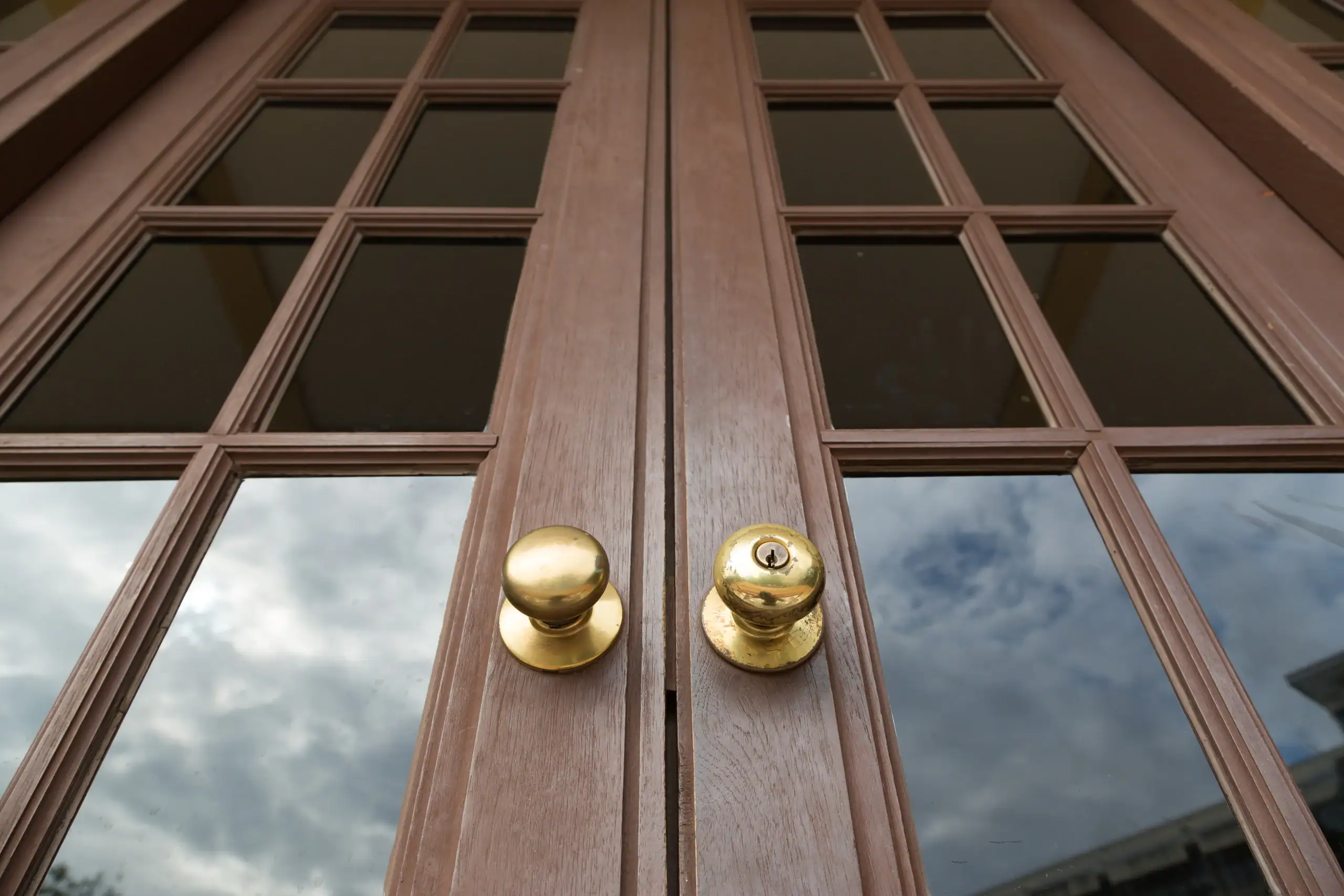
You shouldn’t have to jiggle a handle or slam a door to get it to latch. When your door knob is installed correctly, it turns smoothly, locks securely, and doesn’t loosen up after a few weeks.
That’s what proper installation looks like. The strike plate lines up. The latch catches without force. The screws are set at the right depth so nothing wobbles or strips out over time.
Most problems people blame on cheap hardware are actually installation issues. A quality door knob installed wrong will fail just as fast as a budget one. When you get both the right product and the right installation, your doors become something you stop thinking about—which is exactly how it should be.
We’ve been handling locksmith work in Delaware County for over 100 years. That’s four generations of the same family learning what works, what doesn’t, and what actually lasts.
We’re based in Prospect Park with a physical storefront, not a van with a phone number. You can walk in, talk to someone who knows the difference between a passage set and a privacy lock, and get straight answers about what your home actually needs.
Wayne homeowners deal with older construction, updated renovations, and everything in between. We’ve worked on Main Line properties long enough to know which hardware holds up in these homes and which installation shortcuts come back to haunt you six months later.
First, we figure out what you actually need. Sometimes it’s a full replacement. Sometimes the existing hardware just needs proper reinstallation or a different strike plate. We’re not here to upsell you on smart locks if a solid keyed entry does the job.
Once we know what’s going in, we measure the door prep—backset, bore diameter, thickness. If your door has non-standard measurements or damage around the old hardware, we address that before installing anything new. Forcing new hardware into a damaged prep is how you end up with the same problem all over again.
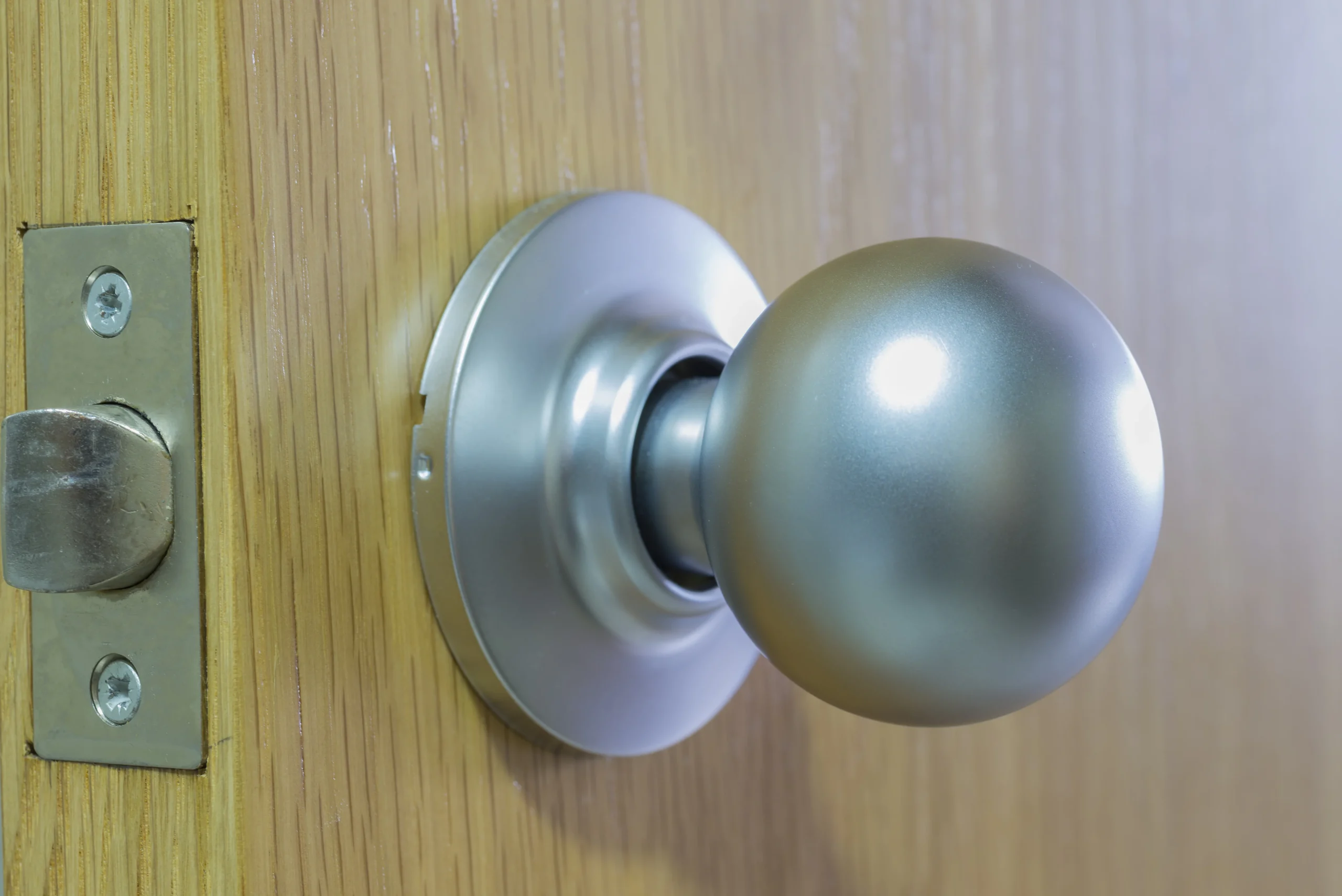
Installation means setting the latch assembly, aligning the strike plate so it catches without resistance, and making sure the exterior and interior handles are mounted securely without over-tightening. We test the lock multiple times, check the door swing, and make sure everything operates the way it’s supposed to before we leave.
Ready to get started?
You’re getting the actual installation, but also the assessment that comes before it. We check the door condition, the frame alignment, and whether the existing prep will support what you’re trying to install. If something’s off, you’ll know before we start.
We bring the right tools and the right parts. That includes strike plates, longer screws when needed, and proper reinforcement for doors that see heavy use. A lot of hardware failures in Wayne homes come from using the screws that come in the box—they’re rarely long enough for solid wood doors or metal frames.
Wayne has a mix of historic homes and newer construction. Older doors sometimes need adjustments to fit modern hardware. Newer builds sometimes cut corners on door prep. We handle both, and we make sure the finished installation works with your specific door and frame—not just the generic instructions on the package.
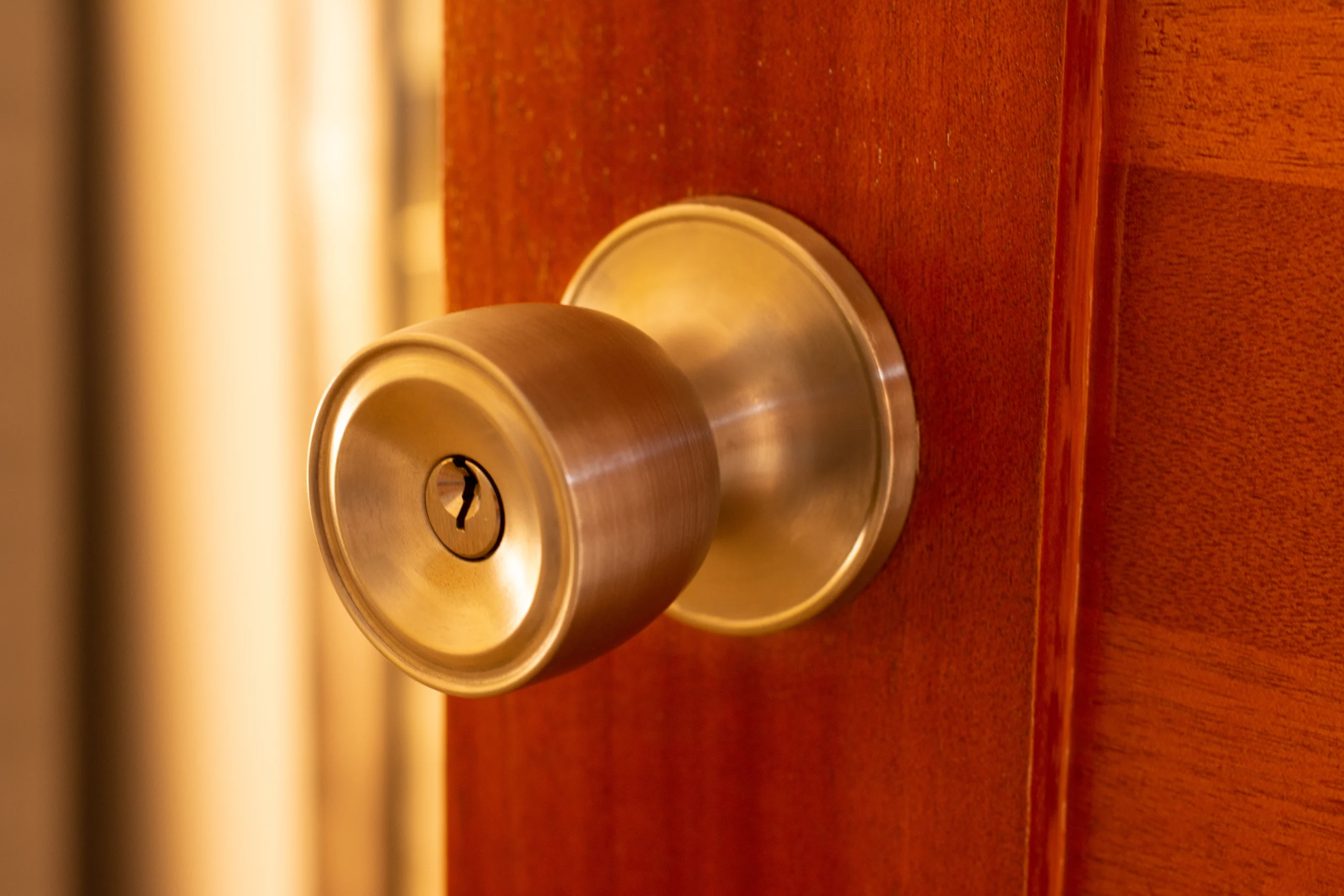
Installation typically runs between $150 and $350 per door, depending on the complexity of the job and the type of hardware you’re installing. A basic passage knob on a standard pre-drilled door is straightforward. A high-security deadbolt on a solid wood door with no existing prep takes more time and precision.
Labor costs vary based on what’s involved. If we’re replacing existing hardware with the same backset and bore size, that’s faster. If we’re drilling new holes, patching old ones, or reinforcing a damaged frame, the price goes up because the work goes up.
The hardware itself is separate. We can install what you’ve already purchased, or we can supply factory-grade products that we know will hold up. Cheaper hardware might save you money today, but it usually means another service call in a year when the finish wears off or the mechanism fails.
You can install a door knob yourself if the door is already prepped, the measurements match the new hardware, and you’re comfortable with the process. Where people run into trouble is when the bore size is wrong, the backset doesn’t match, or the strike plate doesn’t align with the latch.
The biggest issue with DIY installation is improper alignment. If the latch doesn’t hit the strike plate cleanly, you’ll end up forcing the door closed. That puts stress on the hardware and the frame, which leads to premature failure. Most people don’t realize the problem until the knob starts loosening or the door won’t latch anymore.
Hiring a locksmith makes sense when you’re dealing with non-standard doors, damaged prep, or high-security hardware that needs to be installed exactly right. It also makes sense when you just don’t want to deal with it. Your time has value, and redoing a bad installation costs more than getting it done right the first time.
A door knob is round and requires you to grip and twist it to operate the latch. A door lever has a handle you push down, which takes less effort and works better for people with arthritis, limited hand strength, or anyone carrying something when they’re opening the door.
Levers are also required by ADA accessibility standards in commercial buildings and increasingly preferred in residential settings for the same reasons. They’re easier to use, period. The tradeoff is that they can catch on clothing or bags more easily than knobs, and they take up more space when the door is open.
Functionally, both do the same job—they retract a latch so the door can open. The choice comes down to ergonomics, aesthetics, and how the door is used. High-traffic doors benefit from levers. Closets and utility doors are fine with knobs. We can walk you through what makes sense for each door in your home.
A straightforward replacement on a standard door usually takes 20 to 45 minutes per door. That’s assuming the door is already prepped, the new hardware matches the existing measurements, and there’s no damage to repair.
If we’re installing hardware on a door that’s never had it, or if we’re changing the backset or bore size, plan on an hour or more per door. Drilling through solid wood or metal takes time, and precision matters. Rushing that part is how you end up with misaligned holes that compromise the installation.
Multiple doors in the same visit are more efficient because we’re already on site with tools and materials. If you’re updating several doors at once, the per-door time usually drops. We can give you a better estimate once we see what we’re working with.
Yes. We install smart locks, keyless entry systems, and electronic deadbolts. That includes brands like Schlage Encode, Kwikset SmartCode, Yale Assure, and August Smart Lock. We also handle the programming and connectivity setup so the system actually works when we leave.
Smart locks require more than just physical installation. You need to make sure the door is properly aligned, the strike plate is positioned correctly, and the power source is reliable. A smart lock on a misaligned door will drain batteries fast and fail to lock consistently. We check all of that before installation.
We’ll also walk you through how the system works—how to add and delete user codes, how to troubleshoot connectivity issues, and what to do if the batteries die. A lot of people buy smart locks and then can’t figure out how to use them. We make sure you’re comfortable with the technology before we leave.
If your door knob is loose, the screws have probably backed out or stripped. Sometimes you can tighten them and solve the problem. Other times, the screw holes are damaged and need to be reinforced or relocated. Using longer screws that reach solid wood instead of just the trim usually fixes it.
If the knob isn’t latching, the issue is almost always alignment. Either the strike plate is positioned wrong, or the door has shifted and the latch no longer lines up. You can sometimes adjust the strike plate by filing it slightly or moving it up or down. If the door itself has sagged, you might need to adjust the hinges or plane the door edge.
Both problems are fixable, but they’re also signs that something wasn’t installed correctly in the first place. If you’re dealing with recurring issues, it’s worth having someone look at the whole setup—door, frame, hardware, and hinges—to figure out what’s actually causing the problem instead of just treating the symptom.