Your locks protect everything that matters. Here's how to know when they need attention and what you can actually do about it.
A key that catches, jams, or requires extra force to turn is telling you something. The lock mechanism inside has pins, springs, and moving parts that need to align precisely. When debris builds up, lubrication dries out, or components start wearing down, that smooth operation disappears.
This happens gradually. First, you notice a slight catch. Then you’re jiggling the key. Eventually, you’re wondering if the key will snap off inside the lock. Dust, lint, corrosion, and normal wear all contribute to this problem. The humid summers and cold winters in the Philadelphia area make it worse.
The fix depends on what’s causing the stick. Sometimes cleaning and proper lubrication solve it. Other times, the internal pins are worn and need replacement. We can diagnose the actual problem in minutes and tell you whether you’re looking at a simple service call or something more involved.
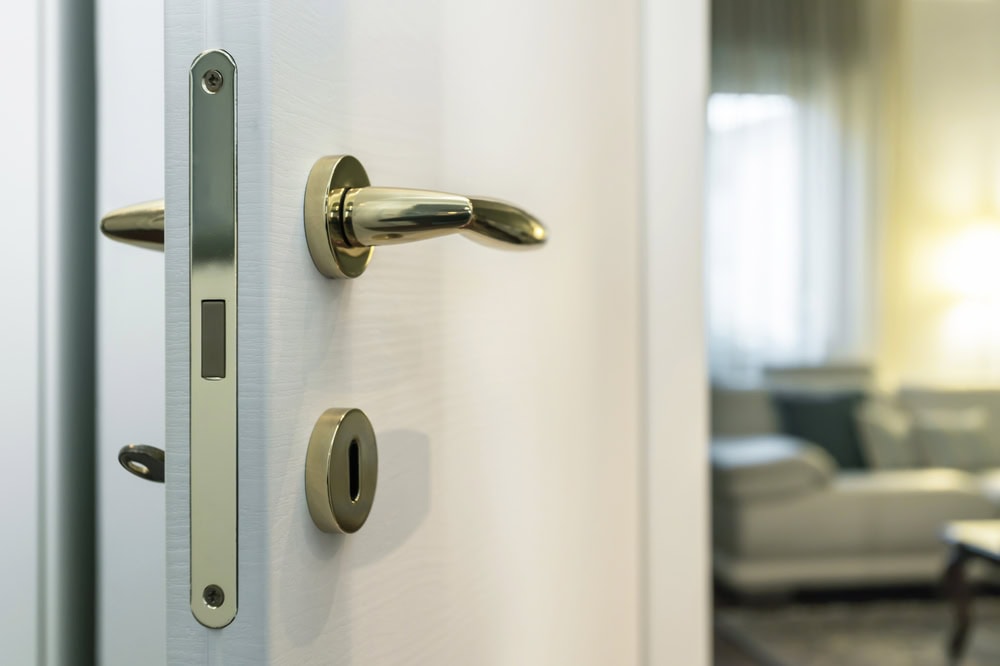
Lock mechanisms fail for predictable reasons. Dirt and debris accumulate inside the cylinder over time. Every time you insert your key, you’re potentially introducing particles from your pocket, purse, or wherever that key has been. This builds up on the pins and prevents them from moving freely.
Lack of lubrication is another common culprit. The internal components need to move smoothly against each other. When the lubricant dries out or gets gunked up with dirt, friction increases. The lock becomes harder to operate. People often make this worse by using the wrong products. Petroleum-based lubricants like WD-40 might help initially, but they attract more dirt and create sticky buildup. Dry graphite powder or Teflon-based sprays work better because they don’t trap debris.
Worn or bent keys cause problems too. Keys aren’t indestructible. The teeth wear down with use. A slight bend throws off the precise alignment needed to move the pins. If your key works fine in an open door but struggles when the door is closed, the problem might not be the key at all. It could be door frame misalignment putting pressure on the lock mechanism.
Weather impacts locks more than most people realize. Temperature changes cause metal components to expand and contract. Humidity introduces moisture that leads to corrosion. Exterior locks face the worst conditions. Delaware County homeowners notice this especially in winter when locks feel stiffer, or in humid summer months when corrosion accelerates on older hardware.
The key question is whether the lock needs repair or replacement. If the cylinder and pins are intact but just dirty or dry, cleaning and lubrication fix the problem. If internal components are corroded, broken, or worn beyond tolerance, replacement makes more sense. We can pull the cylinder, inspect the components, and give you an honest assessment. Rekeying costs $50-100 per lock. Full replacement runs around $315 on average. The difference matters when you’re dealing with multiple doors.
You can try basic troubleshooting yourself. Spray some dry graphite lubricant into the keyhole. Work the key in and out a few times. See if that helps. Check if the door frame has shifted by testing whether the key turns easily when the door is open. These quick checks sometimes solve simple problems.
But persistent sticking means something more serious is happening inside the lock. When lubrication doesn’t help, when the problem gets progressively worse, or when you’re forcing the key to turn, stop. You risk snapping the key off inside the lock, which creates a bigger problem. A broken key lodged in the cylinder requires extraction before anything else can happen.
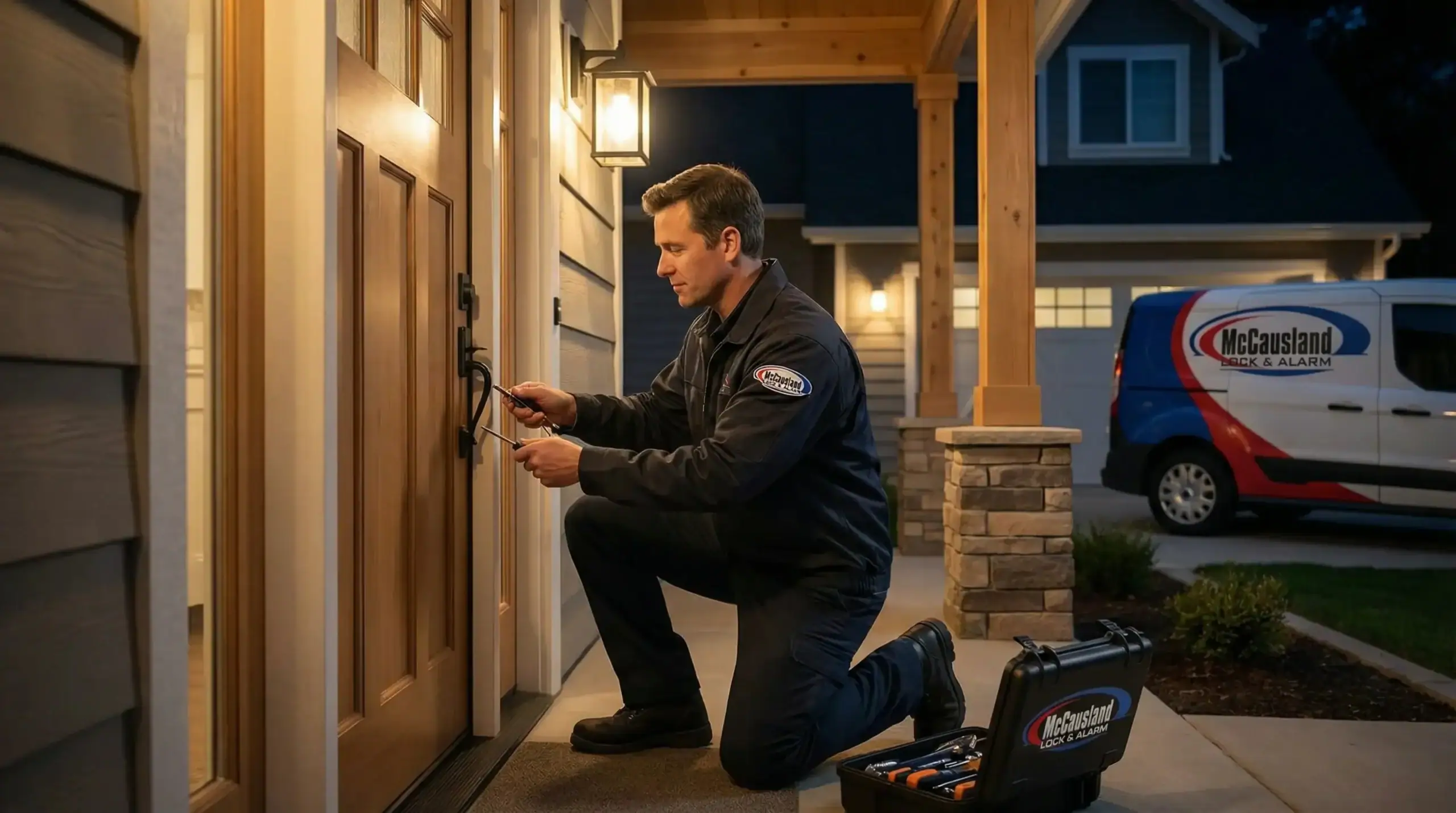
Professional locksmiths have the tools and experience to diagnose lock problems accurately. We can disassemble the cylinder, inspect the pins and springs, identify worn components, and determine whether lock repair or replacement makes sense. We also spot problems you might miss, like misaligned strike plates, loose door hardware, or frame issues putting stress on the lock.
The cost of a service call is typically less than the cost of a lockout or a broken key extraction. If you’re dealing with multiple locks showing similar symptoms, we can often service all of them in one visit. We’ll also tell you if your locks are simply old and due for replacement regardless of current symptoms.
Timing matters too. Don’t wait until the lock fails completely. Address sticky locks before they become jammed locks. Schedule service before you’re standing outside in the rain, late for work, unable to get your own door open. That’s when emergency service fees kick in and a manageable problem becomes an expensive frustration.
Delaware County and Philadelphia County residents have access to experienced locksmiths who understand local conditions. The climate here, the types of homes common in areas like Media and Springfield, the lock brands typically installed, all factor into how locks age and what problems develop. We’re familiar with the area and bring that context to every diagnosis.
Want live answers?
Connect with a McCausland Lock Service expert for fast, friendly support.
The previous owners handed you a set of keys at closing. You have no idea how many copies exist. Real estate agents had keys. Contractors had keys. The cleaning crew, the home inspector, maybe a neighbor who watered plants. Some of those keys were supposedly returned. Maybe.
You’re trusting that everyone who had access to your new home gave back their keys and didn’t make copies. That’s a lot of trust to place in strangers. Security experts recommend rekeying immediately after buying a home, before you even move your belongings in. It’s not about suspicion. It’s about control.
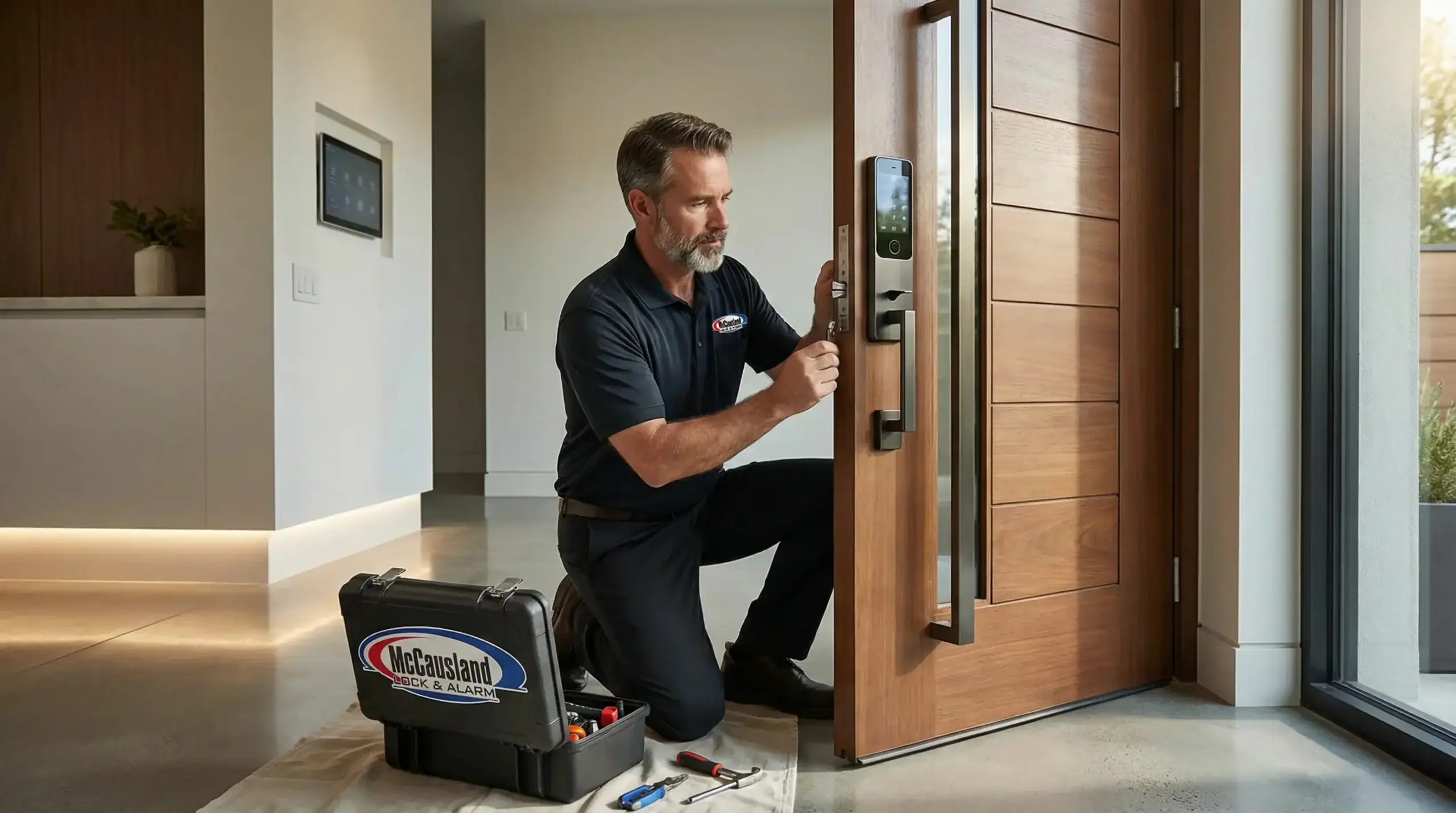
Rekeying changes the internal pins so old keys no longer work. The lock hardware stays the same. You get new keys. Everyone who had access before is locked out. It’s faster and cheaper than replacing all your locks, and it gives you the same security benefit.
Consider what you’re protecting. Your home contains everything valuable to you, not just in monetary terms but in personal significance. Family photos, important documents, electronics, jewelry, and more importantly, your family’s safety. The thought of an unknown person having access should concern you.
Statistics back this up. Homes without proper security measures are 300% more likely to be burglarized. While rekeying alone isn’t a complete security system, it’s a fundamental first step. You’re establishing a clear line: these are the only keys that work, and you control who has them. With 83% of burglars specifically looking for security measures before attempting entry, even basic steps like rekeying send a message.
The process is straightforward. We remove the cylinder from each lock, replace the internal pins with new ones that match a different key cut, and reassemble everything. The existing hardware stays in place. If you want all your doors to work with one key, we can rekey them to match. This is especially convenient for homes with multiple entry points.
Cost is reasonable compared to the peace of mind. Professional rekeying services typically run $50-100 per lock. If you have three or four exterior doors, you’re looking at a few hundred dollars total. That’s far less than replacing all the locks, which could easily run over a thousand dollars depending on the quality of hardware you choose.
Timing matters here too. Schedule rekeying before you move in if possible. That way, you’re not sleeping in a home where you’re uncertain about key distribution. If you’ve already moved into your Chester or Ridley Park home, don’t delay. The longer you wait, the longer that vulnerability exists.
Some people ask whether they should just replace the locks entirely. If your locks are old, damaged, or you want to upgrade to higher security options, replacement makes sense. But if the existing locks are in good condition and from reputable brands like Schlage, Kwikset, or Medeco, rekeying provides the same security benefit at a fraction of the cost.
Keys go missing. You set them down somewhere and can’t remember where. They fall out of your pocket. Someone borrows them and doesn’t return them. Sometimes keys are stolen. Each scenario creates the same problem: somewhere out there is a key that opens your home, and you don’t know where it is or who has it.
The immediate question is whether to rekey or replace. If you’re certain the key was simply lost and not stolen, if there’s no identifying information attached to it that would lead someone to your address, you might feel comfortable waiting. But that’s a gamble. Rekeying eliminates the uncertainty. The lost key becomes useless. You get new keys and regain control.
Former employees, tenants, roommates, or service providers present a similar issue. You gave someone a key because you needed to. Now that relationship has ended. Did they return the key? Did they make a copy first? You might trust them completely, but circumstances change. People make poor decisions under financial stress. A former employee who feels wronged might rationalize behavior they normally wouldn’t consider.
Rekeying after any change in who has key access is smart security practice. It’s not personal. It’s practical. Businesses throughout Delaware County rekey routinely when employees leave. Landlords rekey between tenants. Homeowners should do the same when circumstances change. Security professionals recommend rekeying every three years as a baseline, more frequently if you’ve had changes in key distribution.
The process takes minimal time. We can rekey multiple locks in an hour or two. You’re not disrupting your day significantly, and you’re eliminating a security gap that could otherwise remain indefinitely. Some homeowners wait until they have multiple reasons to rekey, then handle everything at once. That’s fine, as long as you’re not leaving yourself vulnerable in the meantime.
Consider also that rekeying lets you consolidate to one key for all locks. If you currently have different keys for front door, back door, and garage, we can rekey them all to match. This assumes they’re the same brand or compatible keyway. That convenience factor alone makes rekeying services worthwhile for many people.
Lock problems don’t fix themselves. That sticky key gets worse. Those lost keys remain a vulnerability. The locks from the previous homeowner still work with keys you don’t control. Addressing these issues doesn’t require a huge investment or major disruption.
Rekeying solves most security concerns at a reasonable cost. Lock repair handles mechanical problems before they become failures. Replacement makes sense when locks are damaged beyond repair or you’re upgrading your security. The key is knowing which solution fits your situation.
When you need professional locksmith service in Delaware County or Philadelphia County, we bring over 140 years of family expertise to every job. We’ll assess your locks honestly, recommend the most cost-effective solution, and handle the work with the quality that comes from four generations of experience in the locksmith trade.
Summary:
Article details:
Share: