
Hear from Our Customers
You stop fighting with sticky latches every time you come home. No more jiggling the knob or slamming the door to get it to catch.
The hardware feels solid when you turn it. Locks engage smoothly. Your front door actually keeps the cold air outside where it belongs, instead of letting drafts slip through gaps caused by misaligned hardware.
When the job’s done, you’re not wondering if it’ll hold up next month. You’re using manufacturer-approved parts installed by someone who’s been doing this since before smart locks existed. That means fewer callbacks, less frustration, and one less thing breaking down when you’re already running late.
The McCausland family has been handling locksmith services since the late 1800s. That’s 140+ years of figuring out what works and what doesn’t when it comes to door hardware.
Tom McCausland runs the largest locksmith operation in the Delaware Valley, and his daughter Chrissy is continuing the tradition. We’re not a call center or a subcontractor network—when you call, you’re talking to people who actually do the work.
Marcus Hook homes were built to last, with a median build year of 1943. That means older door frames, unique hardware configurations, and the kind of quirks that only show up when you’ve seen a few hundred installations. We’ve seen them all, and we know how to handle your specific setup without damaging the frame or forcing hardware that doesn’t fit.
You call and describe what’s going on with your door knob or lever. Most jobs get scheduled same-day, so you’re not waiting around all week for someone to show up.
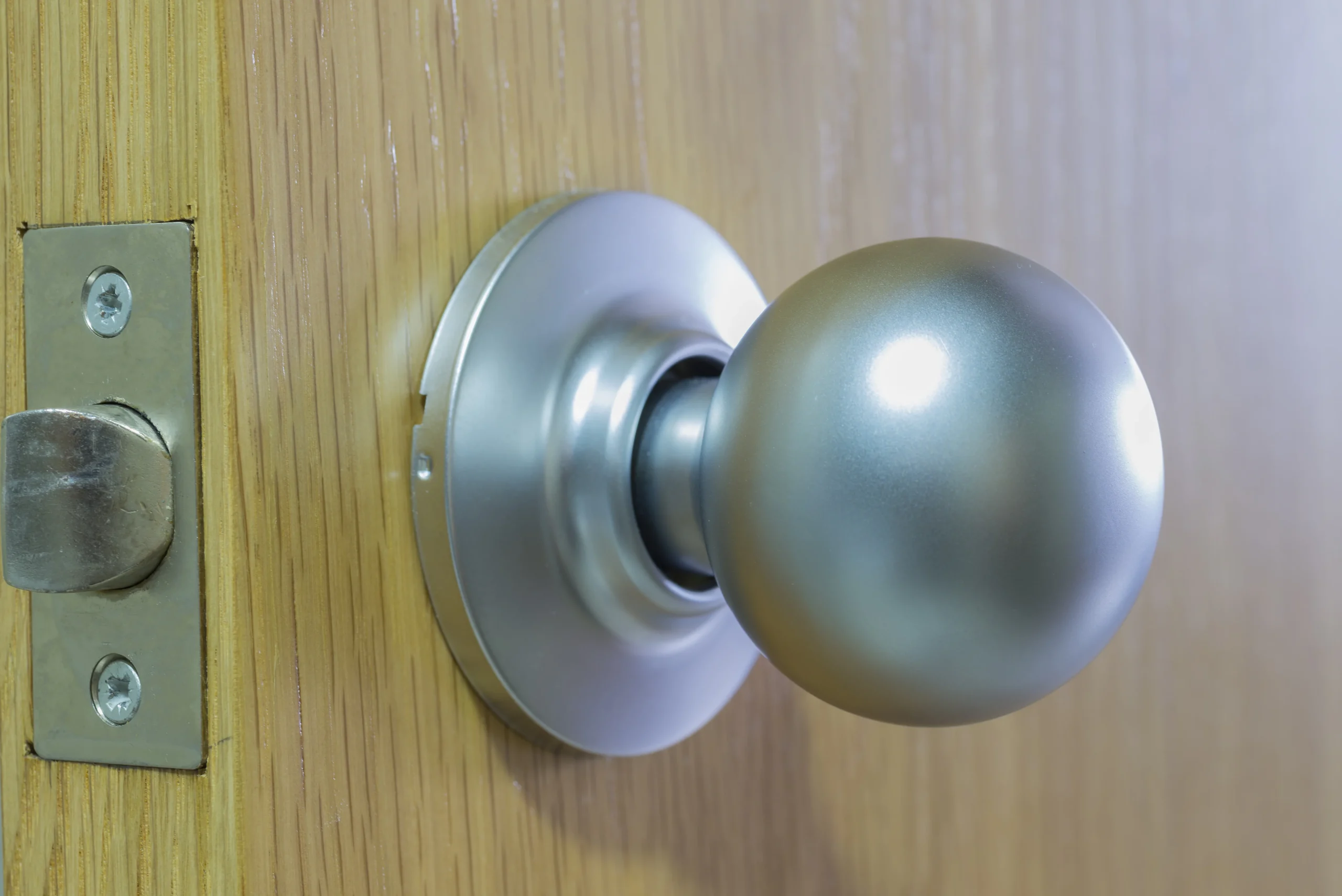
The technician arrives with a fully stocked mobile workshop. They assess your door, frame, and existing hardware to determine what’s causing the problem and what parts you’ll need. If it’s a simple door knob replacement, they’ll have the right Kwikset, Schlage, or Medeco hardware on the truck.
Installation typically takes 20 to 30 minutes for standard residential work. They remove the old hardware, check the door alignment, install the new knob or lever, and test it to make sure everything engages properly. If your door isn’t closing right because of frame issues or weather stripping problems, they’ll address that too—not just slap new hardware on a misaligned door and call it done.
Before they leave, you get a walkthrough of how the new hardware works, especially if you’re upgrading to a smart lock or unfamiliar mechanism.
Ready to get started?
Door knob installation covers the full scope of getting your door hardware functioning correctly. That includes removing old, worn-out knobs or levers, installing new manufacturer-approved replacements, and making sure the latch mechanism aligns with the strike plate in your door frame.
In Marcus Hook, where 69% of housing units are renter-occupied, you’re often dealing with hardware that’s seen decades of use and minimal maintenance. Lever repair might involve tightening loose screws, replacing internal springs, or upgrading to more durable commercial-grade components if the door sees heavy traffic.
If you’re upgrading to smart locks or keyless entry systems, installation includes programming access codes, syncing with your smartphone, and explaining how to manage users. For homes built in the 1940s—the median age in Marcus Hook—installation sometimes requires adapting modern hardware to older door prep, which means knowing how to retrofit without drilling new holes or damaging original woodwork.
You also get a security assessment as part of the process. If your deadbolt is outdated or your strike plate is barely holding on with half-inch screws, you’ll know about it before someone tests it for you.
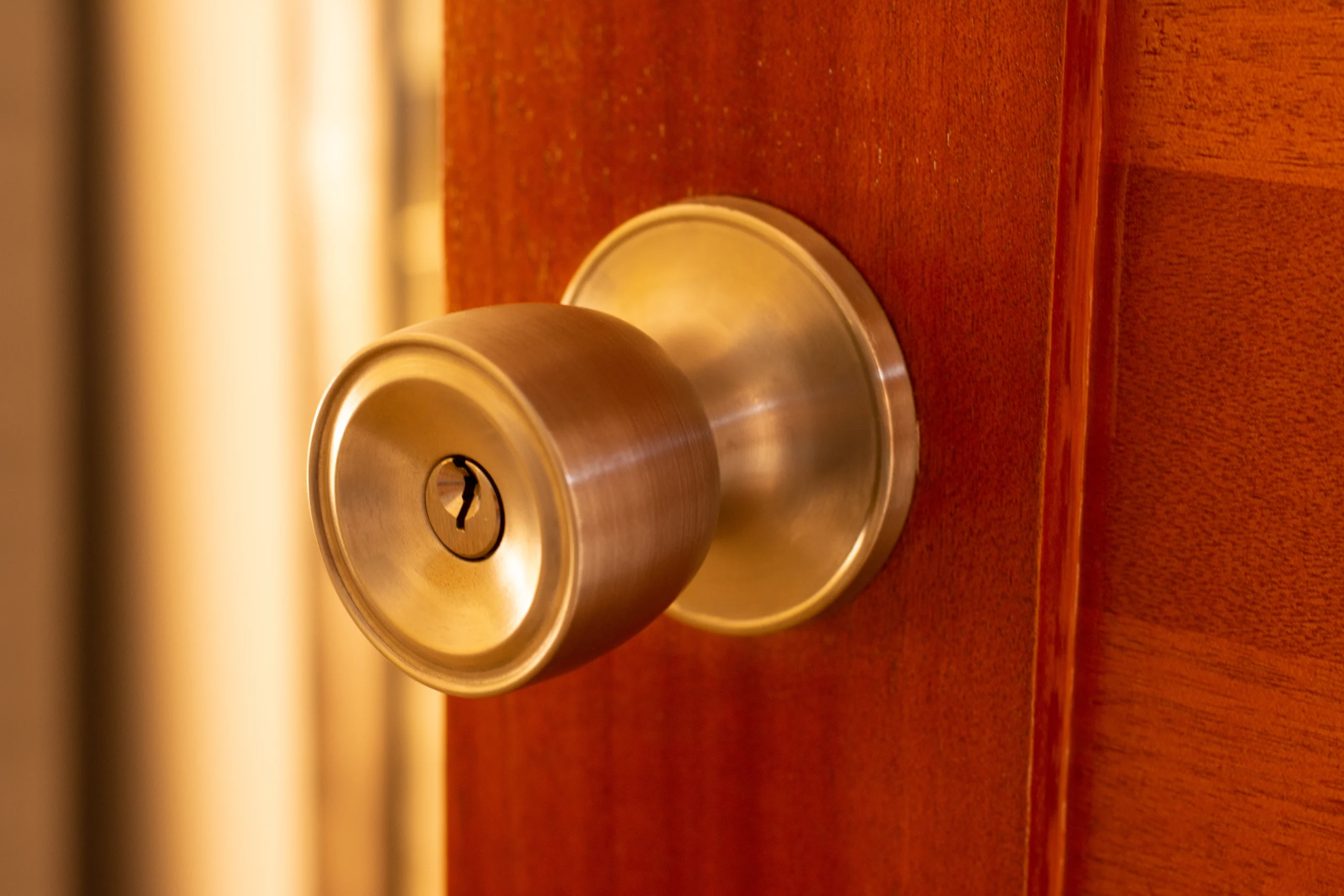
Most standard door knob replacements take 20 to 30 minutes once the technician is on-site. That’s for a straightforward swap where the door is already properly aligned and the new hardware fits the existing bore holes.
If your door has alignment issues, a damaged frame, or you’re upgrading from a passage knob to a keyed entry lock, it takes longer. Fixing a door that doesn’t latch correctly might add another 15 to 20 minutes while the technician adjusts the strike plate or planes down the door edge.
Smart lock installations usually run 45 minutes to an hour because there’s programming involved, plus explaining how to use the app, set up access codes, and troubleshoot common issues. The goal isn’t just to get hardware on the door—it’s to make sure everything works right and you understand how to use it.
Yes, and that’s the standard expectation for professional door knob installation. The technician uses the existing bore holes and doesn’t drill new ones unless the hardware you’re upgrading to requires a different configuration.
For older Marcus Hook homes with original wood doors and frames, extra care goes into preserving the integrity of the door. That means not forcing oversized hardware into undersized holes, not stripping screws in soft wood, and not chipping paint or finish during removal.
If your door prep doesn’t match modern hardware standards—which happens often in homes built in the 1940s—the technician will either adapt the new hardware to fit or explain what modifications are necessary. You’ll know before any work starts if there’s a risk of visible changes, and you get to decide whether to proceed or choose different hardware.
A door knob is round and requires a twisting grip to operate. A lever has a handle you push down, which takes less hand strength and dexterity. For most people, it’s purely a style preference, but levers are easier to use if you have arthritis, limited hand mobility, or you’re often carrying things when you open the door.
Levers are also required by ADA accessibility standards for commercial properties, which is why you see them in office buildings and public spaces. In residential settings, they’re becoming more popular because they’re easier for kids and elderly family members to operate.
Functionally, both can be just as secure when installed correctly. The locking mechanism inside is what matters for security, not whether you’re turning a knob or pushing a lever. Medeco and Schlage both make high-security options in knob and lever styles, so you’re not sacrificing protection by choosing one over the other.
You can absolutely replace them one at a time. Most people start with the front door because that’s where security and curb appeal matter most, then move to other exterior doors, and eventually tackle interior hardware if the budget allows.
Replacing everything at once gives you a consistent look throughout the house and sometimes saves a little on service call fees if the technician is already there. But there’s no functional requirement to do it all in one shot.
If you’re in a rental property—and 69% of Marcus Hook housing units are renter-occupied—check with your landlord before replacing hardware. Some lease agreements specify that you can’t modify locks without permission, while others allow it as long as you provide the landlord with a key. We can rekey your new locks to match existing keys if that makes things easier for property management.
New door knobs themselves don’t stop drafts, but properly installed hardware ensures your door closes completely and latches tight, which prevents gaps that let cold air in. If your current knob is loose or the latch doesn’t engage fully, your door isn’t sealing against the weather stripping.
When a technician installs a new door knob or lever, they check the alignment between the door and the frame. If the latch isn’t hitting the strike plate correctly, the door won’t pull tight when it closes, leaving space for air to leak through. Adjusting the strike plate or tightening hinge screws often solves the problem.
In Marcus Hook, where homes average over 80 years old, you’re likely dealing with settling foundations and shifted door frames. That means even new hardware won’t fix drafts if the door itself is warped or the frame is out of square. A good locksmith will point that out during installation so you know whether you need additional weatherstripping, a door sweep, or more extensive repairs to actually stop the air leaks.
We install Kwikset, Schlage, and Medeco—all manufacturer-authorized, which means you’re getting OEM parts and proper warranty coverage. The brand matters because it determines how long the hardware lasts and how easy it is to get replacement parts down the road.
Kwikset is the most budget-friendly and works fine for interior doors or low-traffic exterior doors. Schlage is mid-range with better durability and more finish options. Medeco is high-security, often used for commercial applications or residential properties where security is a priority.
Cheap hardware from a big-box store might save you money upfront, but it wears out faster and often isn’t compatible with professional rekeying services. If you need to rekey your locks later—say, after a roommate moves out or you lose a key—you’ll have fewer options with off-brand hardware. Sticking with recognized manufacturers means you can get parts, service, and security upgrades without replacing everything from scratch.