
Hear from Our Customers
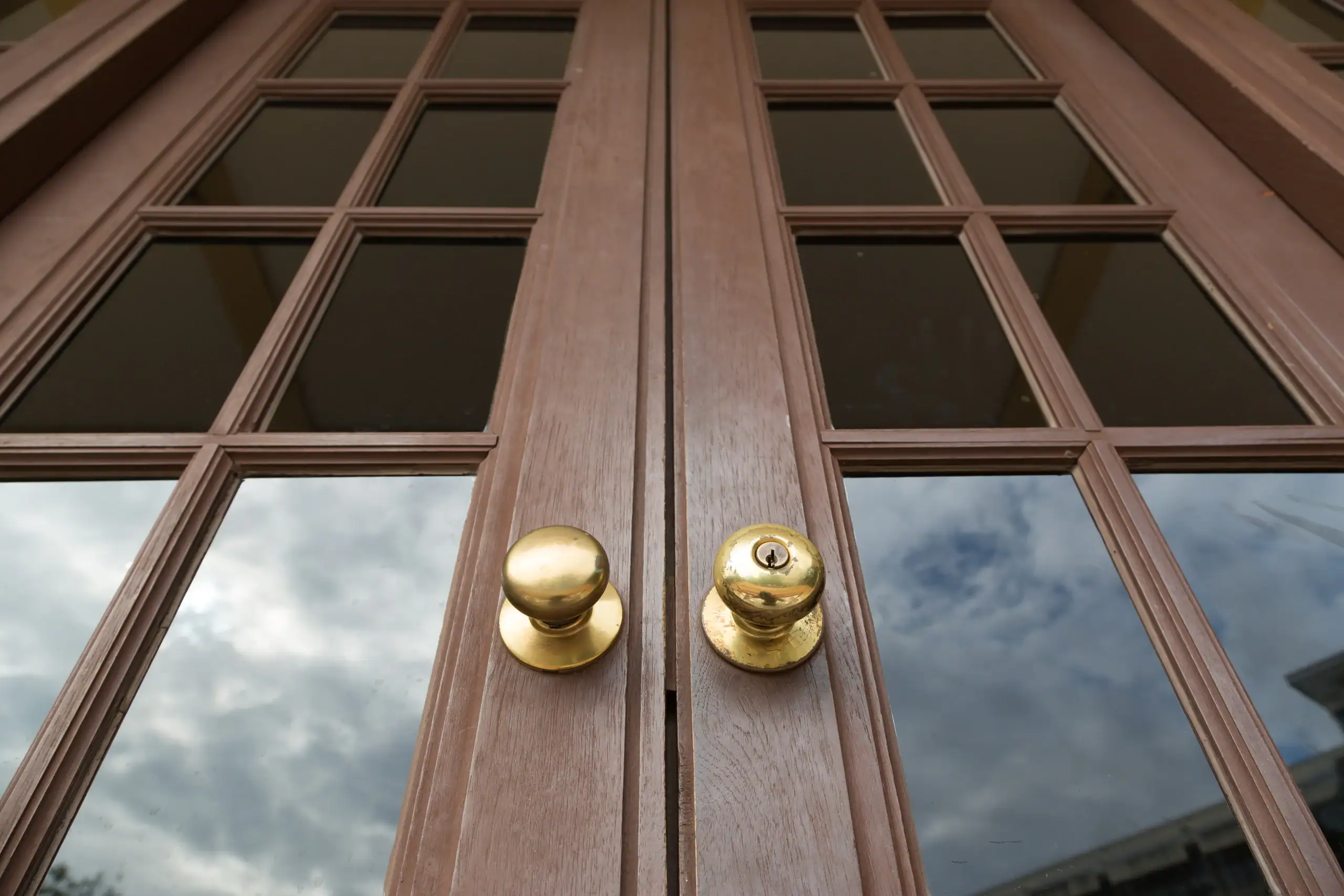
You turn the handle and it works. Smooth. Secure. No sticking, no loose screws three weeks later, no gaps around the plate.
That’s what happens when someone who actually knows what they’re doing handles your door knob installation. The latch catches properly. The lock engages without fighting it. The whole mechanism sits flush and functions the way the manufacturer designed it to.
Most importantly, your exterior doors are actually secure. Not just locked—secure. There’s a difference, and it matters when you’re protecting a home in Glen Mills. The hardware grade matters. The strike plate depth matters. How the deadbolt aligns with the frame matters. Get any of it wrong and you’ve just installed expensive decoration, not security.
We’ve been handling locksmith work since the late 1800s. We’re now on our fourth generation—Tom McCausland and his daughter Chrissy run the largest locksmith operation in the Delaware Valley from our Prospect Park storefront.
That’s not marketing talk. It’s just what happens when your family has been fixing locks since before cars existed.
We serve Glen Mills and the surrounding Delaware County area because we know these homes. We know the mix of historic properties and newer construction. We know what hardware makes sense for a $700K home, and we know what doesn’t. When you’re working in a community where the median home value keeps climbing and people actually care about quality, you can’t show up with bottom-shelf parts and sloppy work.
You call or contact us with what you need. We ask a few questions about your doors, the type of hardware you want, and whether this is new installation or replacement. If you’re not sure what you need, we’ll help you figure that out.
We schedule a time that works for you. Our technician shows up in a fully stocked mobile workshop—not a half-empty van hoping we have the right parts. We carry Kwikset, Schlage, Medeco, and other quality manufacturers because those are the brands that actually hold up.
Before we touch anything, we explain what needs to happen and what it costs. No surprises, no upselling things you don’t need. Then we do the work. We measure correctly. We drill precisely. We install the hardware so it functions properly and secures your door the way it should. The whole job typically takes 20-30 minutes per door unless there’s damage or non-standard sizing to address.
When we’re done, you test it yourself. It should feel solid, turn smoothly, and lock securely. If it doesn’t, we fix it before we leave.
Ready to get started?
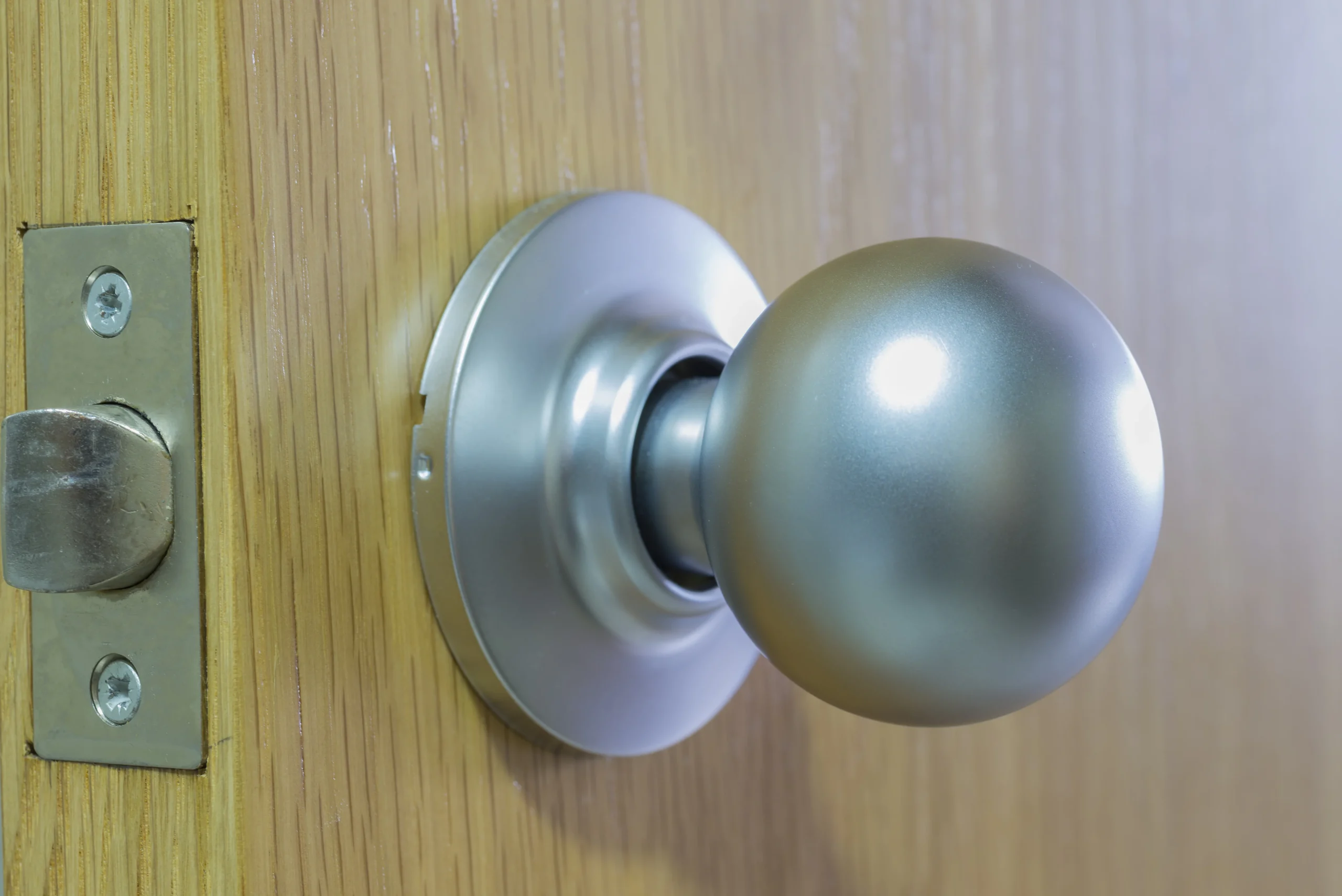
We handle the full installation or replacement. That means removing old hardware if needed, prepping the door properly, installing the new lockset with the correct measurements, and making sure everything aligns and functions correctly.
We use OEM parts, not aftermarket junk that fails in six months. For Glen Mills homes—where you’re looking at property values that have jumped 16.7% in the last year—it makes zero sense to install cheap hardware. You’re protecting a significant investment. The lock grade matters.
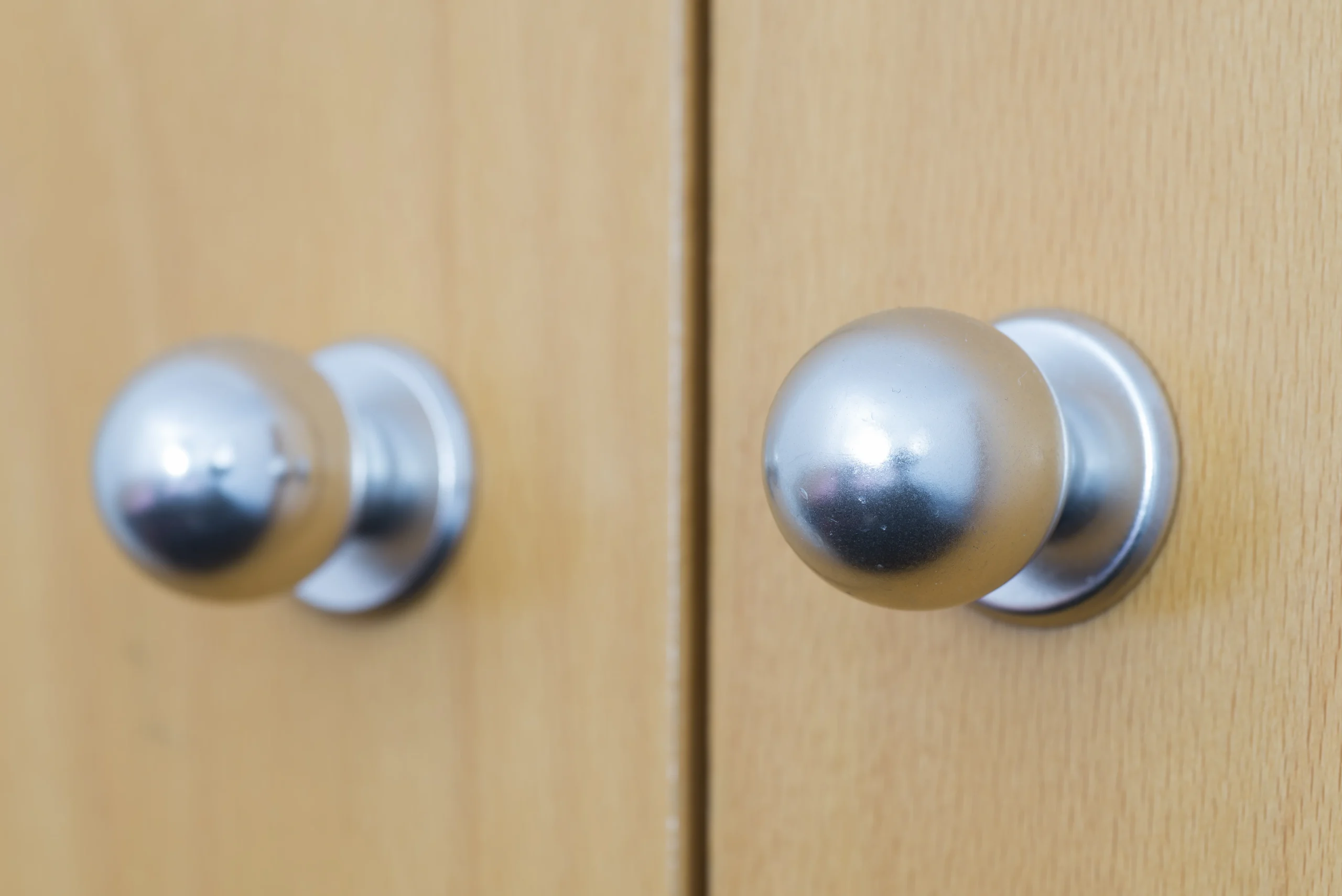
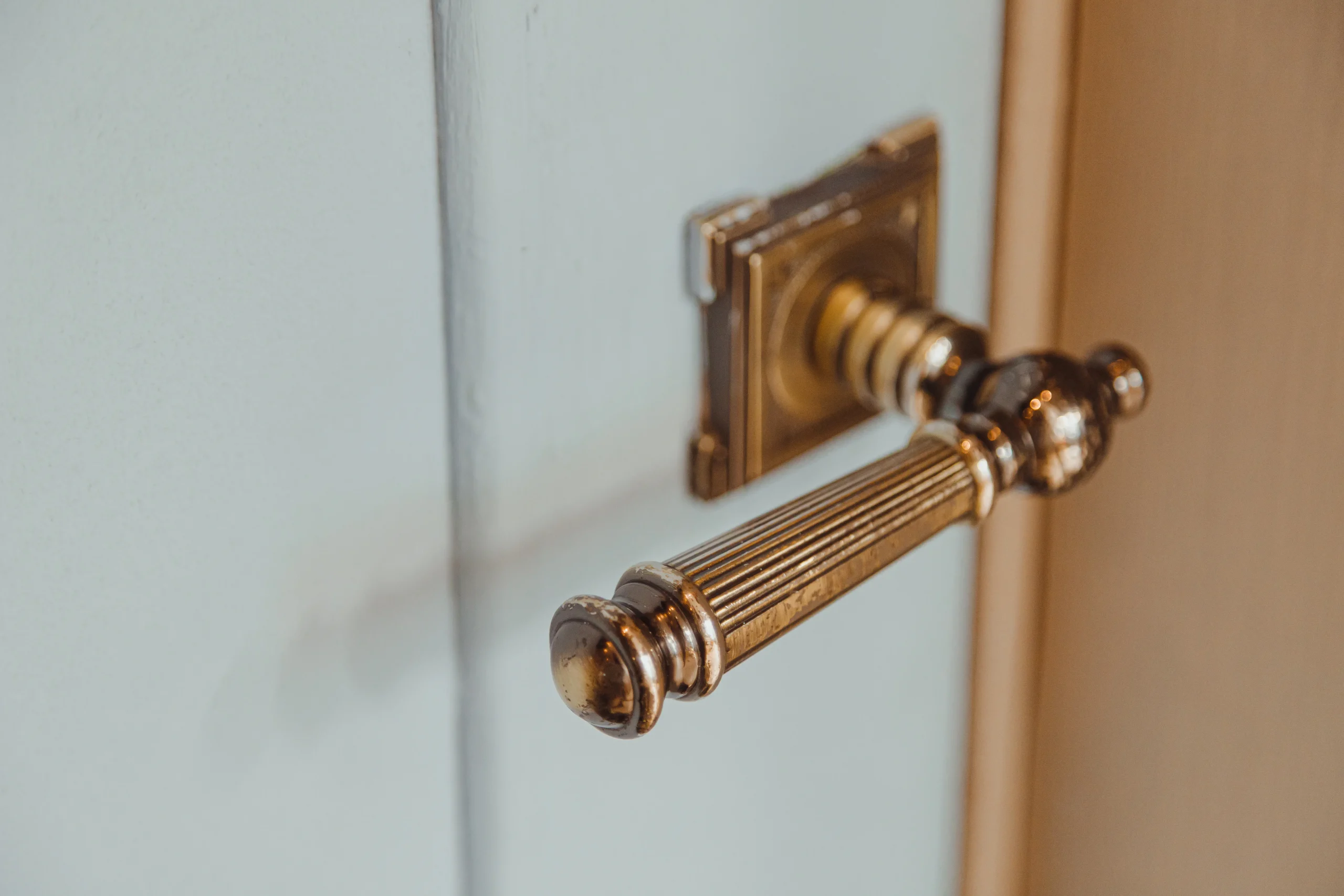
We install passage knobs for interior doors, privacy locks for bathrooms and bedrooms, and keyed entry locks for exterior doors. We also handle door lever installation if that’s your preference—a lot of newer Glen Mills construction uses levers instead of traditional knobs, and we install both.
If you’re upgrading to electronic or smart locks, we do that too. Those require correct installation to actually be secure. Mounted wrong, they’re just expensive toys. Mounted right, they work.
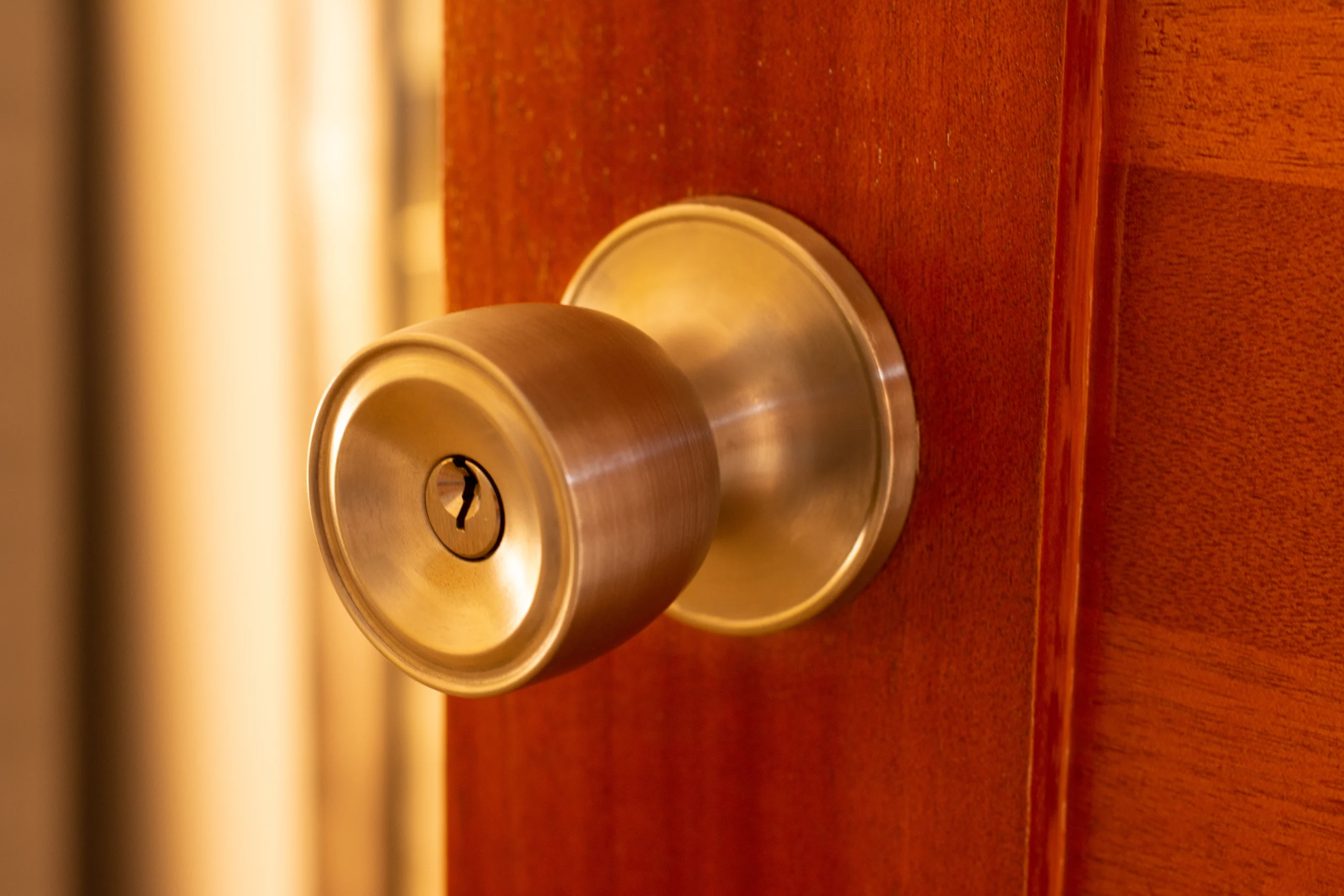
Professional installation typically runs $150-$357 per door depending on the hardware type and complexity. A basic passage knob for an interior door sits at the lower end. Keyed exterior locks with deadbolts cost more.
That price includes the labor and expertise to install it correctly—proper measurements, clean drilling, secure mounting, and functional testing. It doesn’t include the hardware itself unless we’re supplying that too.
If you’re replacing multiple doors at once, we can often work more efficiently and adjust pricing accordingly. The biggest cost factor is usually the hardware quality you choose. A basic Kwikset runs less than a high-security Medeco, but they’re not protecting your home the same way either.
If it’s an interior passage knob and you’re comfortable with tools, you can probably handle it. If it’s an exterior door protecting your home and family, that’s different.
Door knob installation requires precise measurements for the bore hole, latch hole, and strike plate. Get the backset measurement wrong and your door won’t latch. Drill the bore hole off-center and the hardware won’t sit flush. Mount the strike plate at the wrong depth and your deadbolt won’t engage properly.
Those aren’t just cosmetic issues. They’re security vulnerabilities. In Glen Mills, where you’re protecting a high-value property, the risk of getting it wrong outweighs the cost of getting it done right. We see DIY attempts regularly that end up costing more to fix than the original installation would have cost.
Functionally, they both operate a latch mechanism to open and close your door. The difference is the handle design and how you operate it.
Door knobs require you to grip and turn. Door levers require you to push down. Levers are easier to operate if your hands are full, if you have arthritis, or if you’re dealing with accessibility needs. That’s why building codes for commercial properties often require levers.
For residential use in Glen Mills, it’s mostly preference and aesthetic. Newer construction tends toward levers. Traditional and historic homes often stick with knobs. Both can be equally secure if you’re using quality hardware and proper installation. The lock mechanism and grade matter more than whether it’s a knob or lever.
With quality hardware and correct installation, you’re looking at 15-30 years for interior doors and 10-20 years for exterior doors that get more use and weather exposure.
The lifespan depends heavily on the grade of hardware you install. ANSI Grade 1 locks (the highest residential grade) last longer than Grade 3. Solid brass components outlast zinc alloy. OEM parts from manufacturers like Schlage or Medeco hold up better than generic replacements.
Proper installation extends that lifespan significantly. When the hardware is mounted correctly, there’s no unnecessary stress on the mechanism. The door closes smoothly, the latch engages cleanly, and nothing wears out prematurely. When it’s installed poorly, you get binding, misalignment, and accelerated wear that can cut the lifespan in half.
Yes, if you want consistency throughout your home. We can match finish, style, and manufacturer to keep everything looking cohesive.
The easiest approach is identifying what you currently have—if it’s a specific Kwikset or Schlage line, we can source matching pieces. If your existing hardware is discontinued or custom, we can find the closest modern equivalent in finish and design.
For Glen Mills homes with specific architectural styles, this matters. You don’t want modern satin nickel levers on a colonial-style home with oil-rubbed bronze everywhere else. We help you maintain that consistency while upgrading function and security. Bring us a photo of your existing hardware or let us see it in person, and we’ll match it.
We handle both. If your existing hardware can be repaired, we’ll tell you. If it needs replacement, we’ll tell you that too.
Sometimes a door knob just needs adjustment—the strike plate moved, the screws loosened, or the latch needs lubrication. That’s a quick fix. Other times the internal mechanism is worn out, the cylinder is damaged, or the hardware is so low-grade that repair doesn’t make sense.
We’re not going to replace something that just needs a $50 adjustment. But we’re also not going to patch together failing hardware on your exterior doors when your security depends on it working correctly. We’ll give you the honest assessment and let you decide. Most repairs take 20-30 minutes. Replacements take about the same if we have the hardware on hand.