
Hear from Our Customers
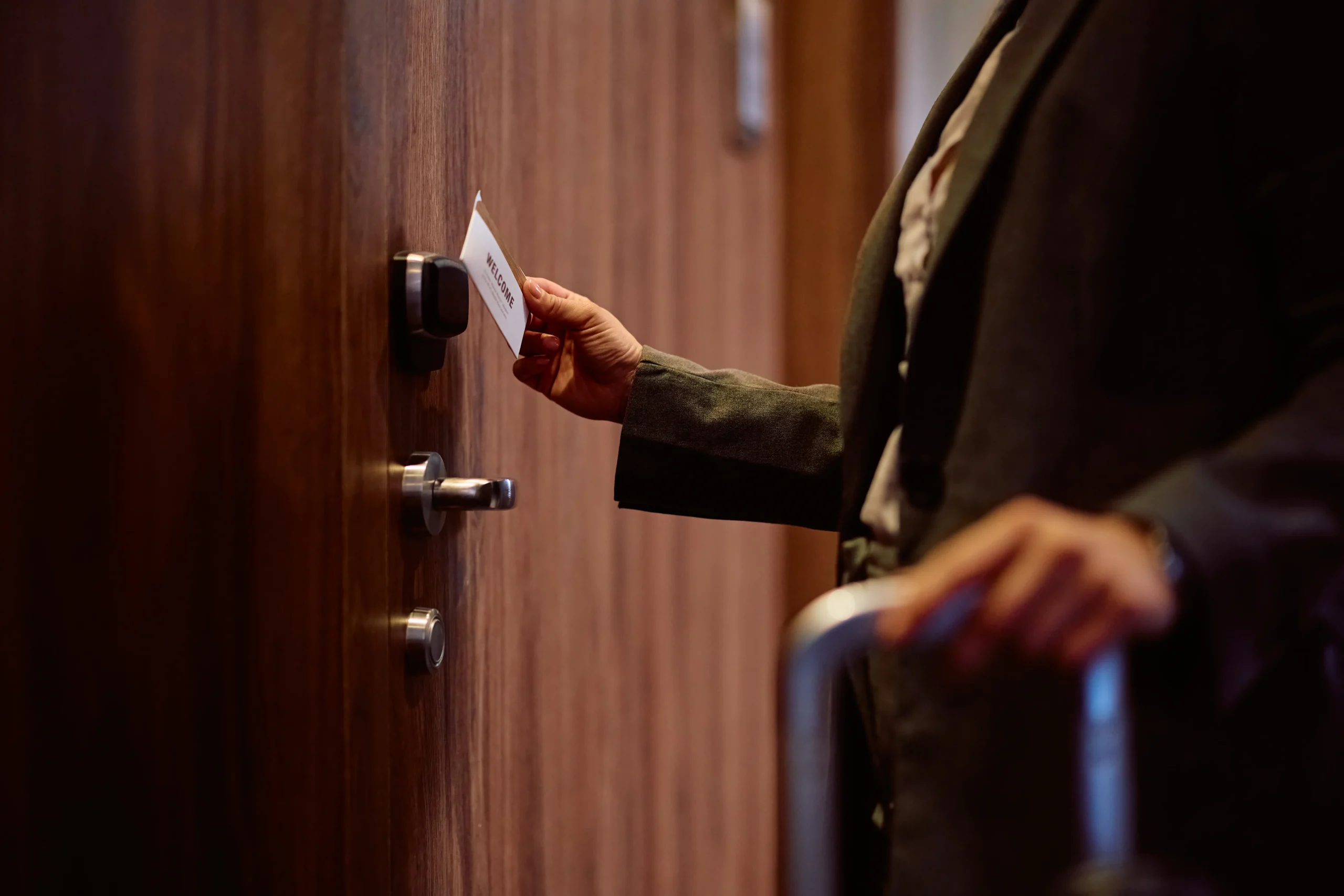
When an employee leaves or loses their keycard, you’re not scrambling to rekey every lock in your building. You’re pulling up your access control system, deactivating their credentials in seconds, and moving on with your day.
That’s what happens when your building access control system is set up correctly from the start. No more wondering if that former employee made copies of their key. No more panic when someone reports a missing access card on Friday afternoon.
You get real-time logs showing exactly who entered which door and when. You can grant temporary access to contractors without handing over keys that might not come back. And when your business grows or you add a new location, your system scales without ripping everything out and starting over.
The businesses we work with in Village Green aren’t looking for the cheapest option—they’re looking for the one that eliminates the security headaches they’re dealing with right now.
We’ve been solving security problems in Delaware County since the late 1800s. We’re not a franchise with a call center three states away—we’re the family-owned shop in Prospect Park that Village Green businesses have relied on for decades.
Tom McCausland learned this trade from his father Chuck, who learned it from his father. When you call us, you’re getting someone who’s seen every type of access control failure and knows exactly how to prevent it in your building.
We’re the largest locksmith operation in the Delaware Valley because we show up when we say we will, we use parts that last, and we don’t disappear after the installation. Village Green business owners keep our number because they know we’ll answer when something goes wrong at 6 PM on a Tuesday.

We start with a walk-through of your Village Green location. You show us which doors need control, where employees congregate, and where you’ve had security issues before. We’re looking at door types, existing hardware, and how people actually move through your building—not just what looks good on paper.
Then we recommend specific components based on what we saw. Maybe you need magnetic locks on your front entrance, panic bars on emergency exits that still log who used them, and card readers at interior doors leading to sensitive areas. We explain why each piece matters for your specific setup.
Installation happens on your schedule. Our techs show up with everything needed to mount readers, run wiring, install controllers, and integrate with your network. We test every single access point before we leave—not just that the door unlocks, but that the logs are recording correctly and the system responds the way you need it to.
Before we’re done, we train your team on adding users, running reports, and handling common situations like a lost card or a door that won’t lock. You’re not figuring this out on your own after we leave.

Ready to get started?
Your door access control system includes the controllers, card readers, credentials, and all the wiring and hardware needed to make it function. We install electromagnetic locks where you need fail-secure operation and electric strikes where fail-safe makes more sense for your fire code requirements.
Every system we install in Village Green includes the software interface where you manage users and pull access logs. You can see who entered which door at 2:47 AM last Thursday. You can set schedules so certain doors only unlock during business hours. You can create user groups so you’re not setting permissions individually for every new employee.
We integrate with your existing infrastructure when possible. If you’ve already got CCTV cameras, we can link your access events to video footage. If you’re running a building management system, we’ll make sure everything talks to each other instead of creating another isolated system you have to manage separately.
The businesses we work with in Village Green typically need anywhere from three to thirty access points. We’ve installed door entry systems for small professional offices and complete building access control systems for multi-tenant properties. The approach stays the same—figure out what you actually need, install it correctly, and make sure you know how to use it.

For most Village Green businesses, you’re looking at one to three days depending on how many doors you’re securing and whether we need to run new wiring. A simple three-door setup with surface-mounted components might be done in a day. A ten-door system requiring concealed wiring through walls takes longer.
The actual installation time matters less than doing it right. We’re not rushing to finish so we can get to the next job. We’re making sure every reader is mounted at the correct height for ADA compliance, every wire is secured properly so it doesn’t fail in six months, and every door actually latches when it’s supposed to lock.
Most of the delays we see come from buildings where previous work wasn’t done to code. If we open a door frame and find problems, we’re telling you about it before it becomes your emergency. We’d rather add half a day to the install than have you calling us in three months because a door won’t stay locked.
Yes, and that’s most of what we do in Village Green. Very few businesses are building from scratch—you’ve got existing doors, existing frames, and existing hardware that may or may not work with modern access control.
We evaluate what’s already there during the walk-through. Sometimes your current locks and door closers are fine and we’re just adding readers and electric strikes. Sometimes the door frame isn’t deep enough for a magnetic lock and we need to surface-mount it or modify the frame. Sometimes the door itself is the problem—it’s warped or doesn’t close consistently, which means no access control system will work reliably until we fix that first.
Glass and aluminum storefront doors are common in commercial buildings, and they need different hardware than wood or metal doors. We handle those installations regularly. The goal is making your existing doors work with access control, not telling you to replace doors that are otherwise fine.
Depends on how we configure your system, and that’s a conversation we have during planning. Some doors need to stay locked when power fails—that’s fail-secure, typically using magnetic locks with battery backup. Other doors need to unlock when power fails so people can exit safely—that’s fail-safe, which is required by fire code for certain exit paths.
Your access control system’s brain—the controller—should have battery backup so it keeps running and logging events during an outage. The doors themselves will either lock or unlock based on how they’re set up, but the system stays aware of what’s happening.
We make sure you understand which doors do what during a power failure before we install anything. The last thing you want is discovering during an actual outage that your emergency exit locked when it should have opened, or that your server room door unlocked when it should have stayed secure. We test this during installation so there’s no surprise later.
Your access control software is where you handle all of that. When someone new starts, you add their name, assign them to a user group with the appropriate permissions, and program their card. Takes about two minutes. When they leave or lose their card, you deactivate it immediately from your computer—you’re not collecting physical keys or wondering if they made copies.
Most Village Green businesses we work with use proximity cards because they’re inexpensive and easy to replace. Some prefer key fobs. Some are moving to mobile credentials where employees use their phones instead of carrying another card. We’ll set you up with whatever makes sense for your situation.
The system logs every single use, so you can run reports showing who accessed which doors and when. That’s useful for security investigations, but it’s also helpful for basic things like confirming whether someone actually showed up for their shift or figuring out who was last in the building before something went missing.
Usually yes, and integration makes both systems more useful. When someone badges in at a door, your access control system can trigger the camera to start recording or bookmark that moment in the footage. Later, when you’re reviewing an incident, you can see exactly who the system says accessed the door and match it with video of who actually walked through.
We work with most commercial camera systems already installed in Village Green businesses. The integration happens at the software level—your access control system and your video management system communicate with each other so you’re not managing two completely separate platforms.
If you don’t have cameras yet, we install those too. A lot of businesses add them at the same time they’re upgrading to access control because it makes sense to do the wiring and configuration work all at once. You get a complete picture of who’s entering your building and what’s happening inside.
That’s like asking what a vehicle costs—depends entirely on what you need. A basic three-door system with card readers and electric strikes might start around $3,000 to $5,000 installed. A complex multi-door setup with magnetic locks, integration with existing systems, and extensive wiring could run $15,000 or more.
The biggest variables are how many access points you’re securing, what type of hardware each door needs, and how much wiring work is involved. Surface-mounted components cost less to install than concealed wiring running through walls and ceilings. Doors that need frame modifications cost more than doors where we can use existing prep.
We give you an actual quote after seeing your Village Green location. We’re not throwing out a number over the phone that turns into something completely different when we show up. You’ll know what the system costs, what’s included, and what your options are for adding features later if your budget doesn’t cover everything right now.