
Hear from Our Customers
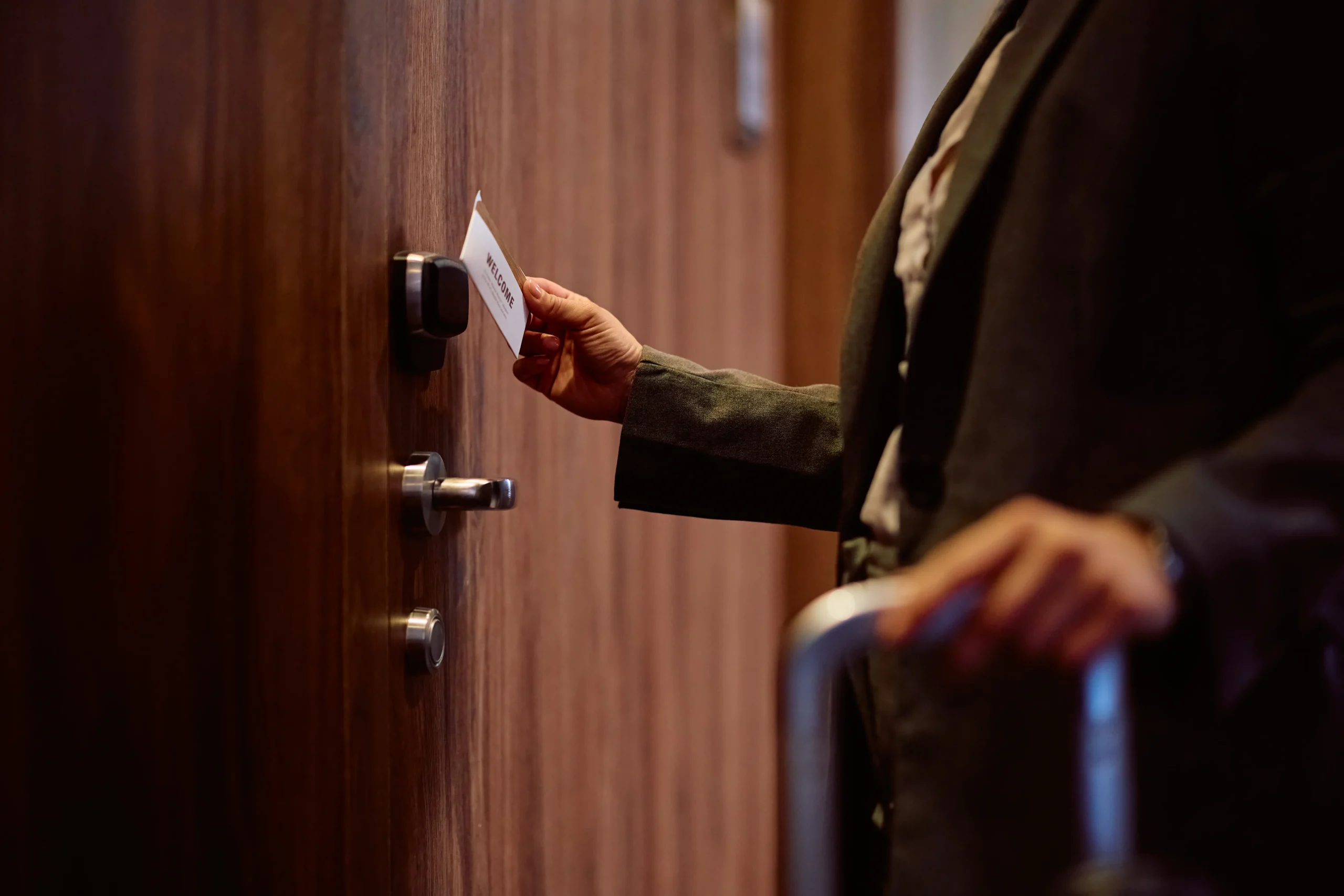
You know the drill. Someone loses a key, quits without returning it, or a contractor needs temporary access. Now you’re stuck rekeying locks, tracking down copies, or hoping nothing goes wrong overnight.
Access control systems eliminate that headache completely. You grant access from your phone or computer, set time restrictions for specific employees, and get alerts when doors open after hours. No more wondering if the back door got locked or if that former employee still has a way in.
When someone leaves your company, you deactivate their credential in seconds. When you hire someone new, you issue access just as fast. The system logs every entry and exit, so you always know who was where and when. That’s not just convenient—it’s the difference between reacting to problems and preventing them entirely.
We’ve been solving security problems since the late 1800s. Tom McCausland and his daughter Chrissy now run the largest locksmith operation in the Delaware Valley from our Prospect Park storefront, just minutes from Ridley.
That’s 140 years of seeing every lock problem, every security challenge, and every shortcut that doesn’t work. We’re not new to this. We’ve installed access control systems in office buildings, warehouses, medical facilities, and retail spaces throughout Delaware County—places where downtime isn’t an option and security can’t be an afterthought.
Ridley businesses trust us because we show up fast, we do the work right, and we’re still here when you need support months or years later. You’re not hiring a contractor who disappears after installation. You’re working with people who’ve been serving your neighbors for generations.

First, we walk your property with you. We’re looking at entry points, traffic patterns, and where you actually need control versus where a standard lock works fine. Not every door needs a card reader, and we’re not going to upsell you on equipment you don’t need.
Once we map out your system, we talk about credentials. Key cards, key fobs, mobile access, PIN codes, or biometric readers—it depends on your industry, your team size, and how people actually move through your building. We’ll recommend what makes sense based on what we’ve seen work in similar Ridley businesses.
Installation happens on your schedule. We mount readers, run wiring, connect controllers, and integrate everything with your network or a cloud-based platform. Then we program user access, test every door, and train your team on managing the system. You’ll know how to add users, pull reports, and troubleshoot basic issues before we leave.
After that, we’re available when you need us. System acting up? Call us. Need to add doors as you expand? We handle it. This isn’t a one-and-done job—it’s an ongoing relationship with people who know your setup.
Ready to get started?
You get door access control systems that integrate with your existing infrastructure. Magnetic locks, electric strikes, panic bars that meet fire code—we install hardware that works with your building, not against it. Every component is manufacturer-approved, and we carry inventory from Kwikset, Medeco, and Schlage so repairs don’t turn into week-long waits.
You also get a management platform that makes sense. Cloud-based systems let you control access from anywhere. On-premise systems keep everything local if that’s what your IT team prefers. Either way, you’re setting schedules, pulling entry logs, and managing credentials without a computer science degree.
Ridley’s commercial real estate market includes everything from small office buildings to industrial warehouses. We’ve worked in all of them. That means we understand the difference between securing a multi-tenant office in Ridley Park and locking down a manufacturing facility near Chester. Your industry matters, your layout matters, and your budget matters. We build systems around those realities, not around what’s easiest for us to install.
Yes, and you should. When your access control system talks to your CCTV, you get visual confirmation of who’s using credentials and whether the person on camera matches the name in your log. That’s critical if someone’s using a stolen card or sharing access.
We install and integrate both systems regularly. If you already have cameras, we’ll connect the new access control system to your existing setup. If you’re starting from scratch, we’ll design both systems to work together from day one. You’ll be able to pull up video footage based on door events, set up alerts when certain doors open, and review everything from one interface.
The integration also helps during investigations. If something goes missing or an incident occurs, you’re not cross-referencing two separate systems manually. You’re looking at a timeline that shows exactly who entered, when they entered, and what the cameras captured. That’s the kind of documentation that matters when you’re dealing with insurance claims or internal issues.
Most commercial access control systems include battery backup that keeps doors secure during power outages. The system defaults to a fail-safe or fail-secure mode depending on how we program each door. Fail-safe means the door unlocks during power loss—important for exits and fire code compliance. Fail-secure means it stays locked, which makes sense for sensitive areas like server rooms or storage.
If your internet goes down and you’re using a cloud-based system, local controllers keep working. Credentials that are already programmed still grant access. You just can’t make changes remotely until connectivity returns. For businesses that can’t afford any downtime, we recommend hybrid systems with local control and cloud management.
We also offer maintenance plans that include regular system checks. We’re testing backup batteries, updating firmware, and catching small issues before they become big problems. If something does fail, we’re typically on-site within 20 to 30 minutes anywhere in Delaware County. You’re not waiting days for a technician to fly in from another state.
You issue temporary credentials with built-in expiration dates. If a contractor needs access for two weeks, you program their card or PIN to stop working automatically after that period. No need to remember to deactivate it manually or chase them down to get a key back.
You can also restrict access by time and location. A cleaning crew might need entry to common areas between 6 PM and midnight, but not to offices or storage rooms. A delivery driver might need access to the loading dock during business hours only. The system enforces those rules automatically, so you’re not relying on people to follow instructions.
This is especially useful for Ridley businesses that work with multiple vendors or have high turnover in certain roles. You’re not constantly rekeying locks or worrying about who has access to what. You’re managing everything digitally, and you have a complete audit trail showing when temporary users accessed your building. That level of control and documentation isn’t possible with traditional keys.
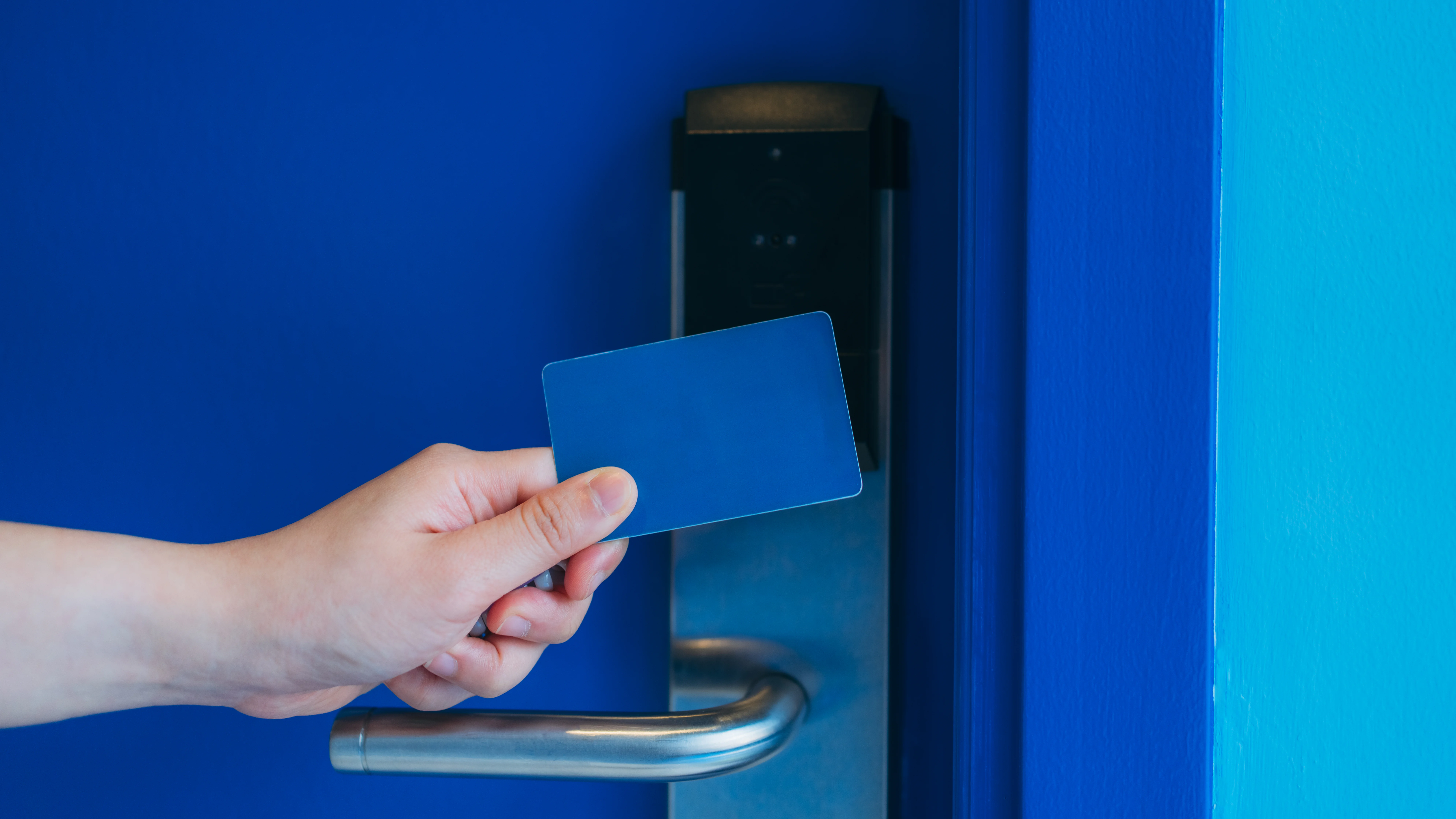

Card readers require physical credentials—key cards or fobs that you tap or swipe to unlock doors. They’re reliable, inexpensive, and easy to replace if someone loses one. The downside is that cards get lost, stolen, or left at home. They also don’t tell you who’s actually using them if someone shares a card.
Mobile access uses smartphones as credentials. Employees unlock doors through an app, Bluetooth, or NFC. It’s more secure because phones are harder to share or lose without noticing immediately. It’s also more convenient—most people already carry their phone everywhere. If someone loses their phone, you deactivate their access remotely and they set up credentials on their new device.
The best systems support both. You might use mobile access for full-time employees and cards for visitors or contractors. We’ll walk you through the pros and cons based on your team’s tech comfort level and your budget. Mobile systems cost more upfront because the readers are more advanced, but you save money long-term by not replacing lost cards constantly. For Ridley businesses with younger, tech-savvy teams, mobile access usually makes sense. For environments where phones aren’t practical—like manufacturing floors—cards are still the way to go.
For a small office with three to five doors, we’re usually done in one day. Larger buildings with a dozen or more access points might take two to three days depending on how much wiring we need to run and whether we’re integrating with other systems.
The timeline also depends on your building’s layout. If we’re working in an older Ridley property with solid walls and limited conduit, running wire takes longer. Newer construction with drop ceilings and accessible pathways moves faster. Wireless systems can speed things up, but they’re not always the best choice for high-security applications.
We’ll give you an accurate timeline after the initial walkthrough. We also schedule installations around your business hours whenever possible. If you can’t afford downtime during the day, we’ll work evenings or weekends. The goal is to get your system up and running without disrupting your operations. Once installation is complete, we spend time training your team so everyone knows how to use the system before we leave.
Sometimes, but not always. If your doors and frames are in good shape and meet current fire and building codes, we can usually retrofit them with electric strikes or magnetic locks. That saves you thousands compared to replacing doors entirely.
However, older doors with worn frames, damaged hardware, or non-compliant panic bars might need upgrades. We’re not going to install a high-security access control system on a door that someone could kick in. The access control is only as strong as the physical barrier it’s protecting.
During the site assessment, we’ll inspect every door you want to secure. We’ll tell you what works as-is and what needs attention. If upgrades are necessary, we handle that too—new commercial-grade doors, ADA-compliant hardware, panic bars that meet fire marshal requirements. We’re licensed for the full scope of work, so you’re not coordinating between multiple contractors. One call, one company, and everything gets done right.