
Hear from Our Customers
You’re not paying someone to rekey locks every time an employee leaves. You’re not wondering if that key you handed out three years ago is still floating around somewhere. You’re not dealing with the panic of a lost keycard that might give someone access to your inventory, your office, or your cash.
With a properly installed access control system, you decide who gets in and when. You revoke access in seconds when someone leaves. You see a log of every door that opened, every attempt that failed, and every person who entered after hours.
Your building is either locked down or accessible based on rules you set—not based on who remembered to lock up or who made a copy of a key without telling you. That’s what access control does. It removes the guesswork and gives you something you can’t get with traditional locks: visibility and control.
McCausland Lock Service has been in the locksmithing business since the late 1800s. We’re now on our fourth generation, with Tom McCausland and his daughter Chrissy running the largest locksmith operation in the Delaware Valley from our Prospect Park storefront.
We’ve watched Marcus Hook grow into a business hub where over eighty companies operate, and we’ve helped many of them move from traditional locks to modern access control systems. We’re not a national security company that showed up last year. We’re a local family business that’s been solving security problems in Delaware County for over 140 years, and we’re still here because we do the work right.
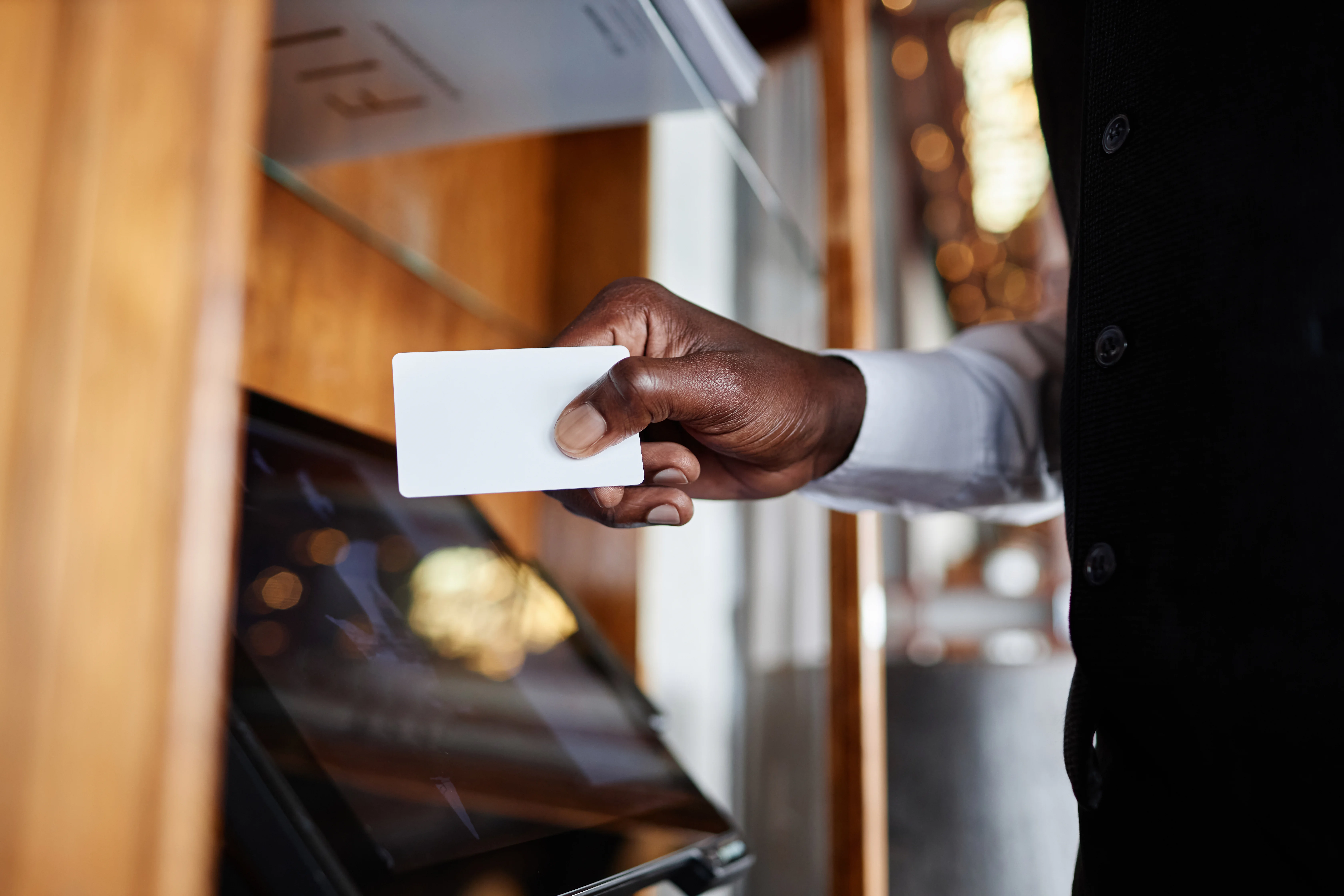
We start with a walkthrough of your Marcus Hook facility. We look at your doors, your current locks, your traffic patterns, and the areas you need to secure. We ask about your team size, your turnover, and whether you need different access levels for different people.
Then we recommend a system that fits. That might be keycard readers for your main entry and office doors, PIN code access for storage areas, or mobile credentials if your team already uses smartphones for everything. We’re authorized dealers for Kwikset, Medeco, and Schlage, so you’re getting manufacturer-approved equipment and installation.
Once you approve the plan, we schedule the install. Our techs mount the readers, wire the system, connect it to your network or cloud platform, and program your access rules. We test every door, train your team on how to add or remove users, and make sure you can pull reports when you need them. You’re up and running the same day, and we’re available if anything needs adjusting after you’ve used it for a week.
Ready to get started?
You get hardware that works with your existing doors—whether that’s electric strikes, magnetic locks, or motorized deadbolts. You get readers that support the credentials you want to use: proximity cards, key fobs, PIN pads, mobile apps, or biometric scanners if you’re securing high-value areas.
You get a control panel or cloud-based system that lets you manage everything from your desk or phone. Add a new employee in thirty seconds. Disable a lost card before someone even reports it missing. Set schedules so your part-time staff can only enter during their shifts. Lock down the whole building with one click if you need to.
Marcus Hook has a strong industrial and commercial presence, and many of our clients here need more than just front door security. You might need gate access control for your yard, entry systems for loading docks, or separate permissions for contractors who only work in certain zones. We handle all of it. You’re not piecing together equipment from different vendors and hoping it works together. You’re getting a complete system installed by people who’ve done this hundreds of times across Delaware County.

It depends on how many doors you’re securing and what type of credentials you want to use. A basic setup for one or two doors with keycard readers typically starts around $1,500 to $3,000 per door, including hardware, installation, and programming. That covers the reader, the lock mechanism, the controller, and the software to manage it.
If you’re adding more doors, the per-door cost usually drops because you’re sharing the same control panel and software. Cloud-based systems often have a monthly fee—usually $20 to $50 per door—but they let you manage everything remotely without maintaining a server on-site. If you want biometric readers or mobile credentials, expect to pay a bit more upfront for the hardware.
We give you a fixed quote after we see your building. No surprises, no upselling you on features you don’t need. Most Marcus Hook businesses find that the system pays for itself within a year or two just from eliminating rekeying costs and reducing theft or after-hours access issues.
Yes, and you should. Most modern access control systems integrate directly with CCTV systems so you can see video footage of who accessed a door at a specific time. If your access log shows that someone used their keycard at 2 a.m., you can pull up the camera feed from that exact moment and verify it was actually them.
The integration works best when both systems are on the same network or platform. If you already have IP cameras and a network video recorder, we can usually tie the access control system into that setup. If your cameras are older analog models, we can still make it work, but you might not get the same seamless event-triggered recording.
We handle the integration during installation. You’re not calling two different companies to troubleshoot why the systems won’t talk to each other. We make sure everything connects properly, and we test it before we leave. If you don’t have cameras yet but want them, we install those too—we’re not just locksmiths, we’re a full commercial security provider.
Most access control systems have battery backup that keeps them running for several hours during a power outage. The locks stay in whatever state you’ve programmed—usually locked—and the system continues to authenticate credentials and log events. Once power comes back, everything syncs automatically.
If you’re using a cloud-based system and your internet goes down, the local controller keeps working. It has all the current access permissions stored locally, so people can still get in and out. The system just won’t upload new logs to the cloud until the connection is restored. You won’t lose any data—it queues everything and syncs when it’s back online.
For businesses in Marcus Hook that can’t afford any downtime, we can set up redundant internet connections or cellular backup. We can also configure fail-safe or fail-secure modes depending on your priorities. Fail-safe means the doors unlock if power is lost—important for life safety in some buildings. Fail-secure means they stay locked—better if you’re protecting inventory or equipment. We walk you through those options based on your building type and local fire codes.
It takes about thirty seconds once you’re logged into the system. You enter the person’s name, assign them a credential—either a card number, a PIN, or a mobile app invite—and select which doors they can access and when. Hit save, and they’re active immediately.
When someone leaves, you find their name in the system and deactivate their credential. Their card stops working instantly, even if they’re standing at the door. You don’t need to collect the card back or worry about whether they made a copy. It’s dead in the system.
Most systems let you set up templates for common roles. If you hire a new warehouse worker, you just assign them the “warehouse” template and they automatically get access to the loading dock, break room, and restrooms—but not the office or server room. If you have high turnover, this saves a ton of time compared to manually configuring every new hire. We set up those templates during installation based on how your team is structured.
Not usually. In most cases, we can retrofit your existing doors with electric strikes or magnetic locks that work with your current hardware. If your doors are in decent shape and the frames are solid, we’re just adding the electronic components—the reader, the strike, and the wiring.
There are situations where we do recommend replacing the lock. If you have old, worn-out deadbolts or doors that don’t latch properly, the access control system won’t work reliably. If your door frames are damaged or the doors don’t fit square in the opening, we need to fix that first. But those are building issues, not access control issues.
For high-security areas, you might want to upgrade to commercial-grade locks even if your current ones are functional. Medeco or Schlage commercial locks give you better resistance to forced entry and they’re built to handle the constant use that electric strikes put on them. We’ll tell you honestly what needs to be replaced and what can stay. We’re not in the business of selling you new locks you don’t need—we’ve been doing this too long to play those games.
Yes, if you choose a cloud-based system. You log into a web portal or mobile app from anywhere and you can see real-time activity, lock or unlock doors, add or remove users, and pull reports. If you’re at home and get an alert that someone accessed the building after hours, you can check who it was and see if they’re supposed to be there.
Cloud systems are popular with Marcus Hook business owners who manage multiple locations or who aren’t always on-site. You don’t need to be at your desk to handle access issues. Your manager can text you that a new hire is starting today, and you can create their credentials from your phone before they even arrive.
The tradeoff is that cloud systems usually have a monthly subscription fee and they depend on your internet connection. If you’d rather avoid ongoing costs and keep everything local, we can install a server-based system that you manage from a computer on your network. You won’t have remote access unless we set up a VPN, but you also won’t have monthly fees or cloud security concerns. We help you decide which makes more sense based on how you actually run your business.