
Hear from Our Customers
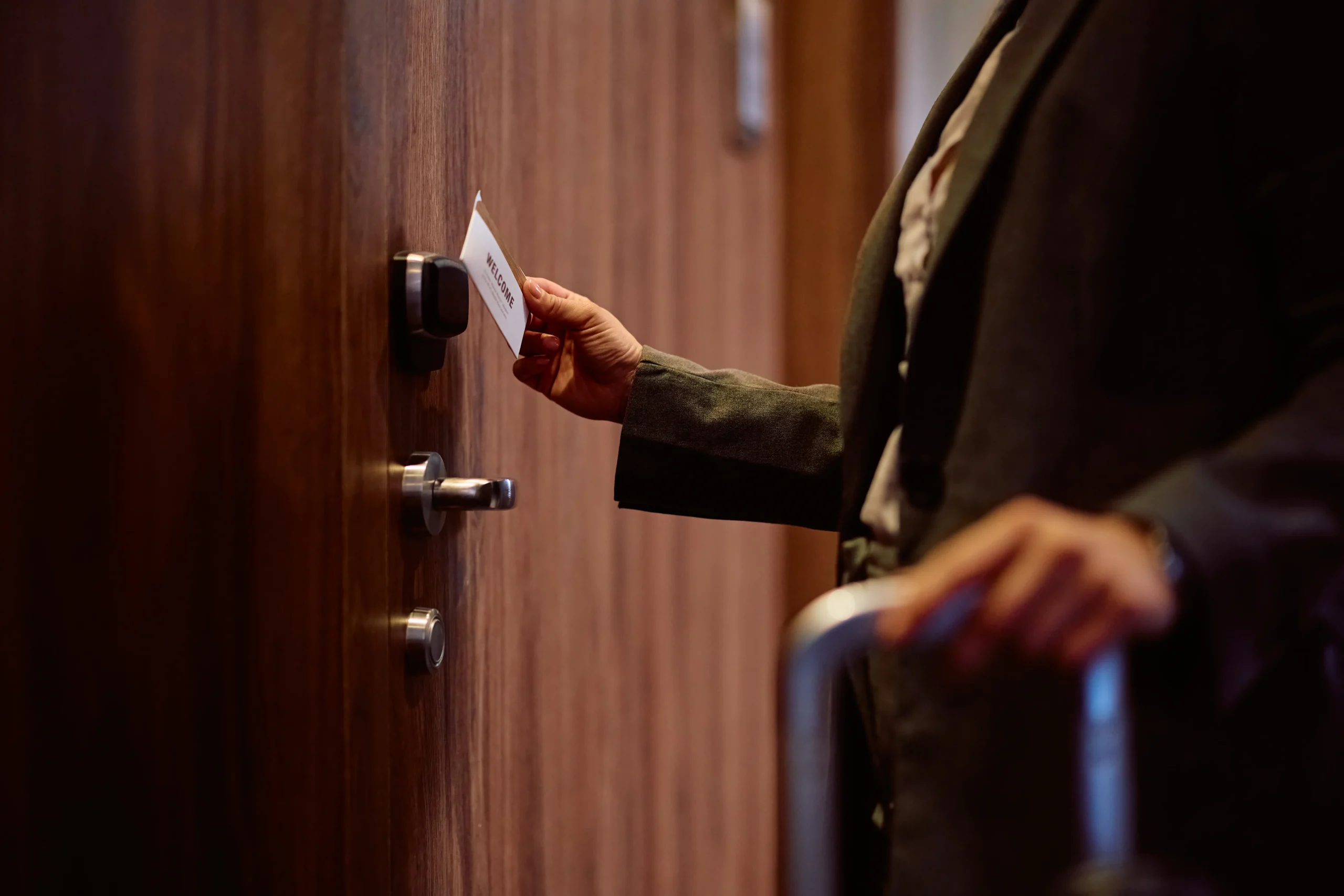
When you install an access control system, you’re not just upgrading locks. You’re eliminating the guesswork around who entered which door and when.
No more rekeying after an employee quits. No more wondering if a contractor made copies of your keys. No more handing out physical keys that can be lost, stolen, or passed around.
You get a system that logs every entry, restricts access by schedule or role, and lets you add or remove users from your phone or computer. If someone shouldn’t be in your building at 2 a.m., they won’t be. If a delivery driver needs access to the loading dock on Tuesdays only, that’s all they get.
For businesses in Lower Chichester and across Delaware County, that means fewer security gaps, lower insurance premiums, and the ability to prove compliance when audits or incidents happen. Pennsylvania’s breach notification laws require businesses to report security incidents within five business days—having a digital record of who accessed what can be the difference between a quick resolution and a costly investigation.
We’ve been in the locksmith business since the late 1800s. We’re now on our fourth generation, with Tom McCausland and his daughter Chrissy running the largest locksmith operation in the Delaware Valley from our Prospect Park location.
We’re not a national chain that shows up in a van with a generic toolkit. We’re local, we stock parts on-site, and our technicians are members of the American Locksmith Association of Pennsylvania. We’ve installed access control systems in everything from small offices in Lower Chichester to large industrial facilities across Delaware County.
When you call, you’re working with people who’ve seen every type of lock problem and every kind of security setup. We know what works in this area because we’ve been doing it here for over a century.

First, we come out to your location in Lower Chichester and walk through your building with you. We look at which doors need control, who needs access, and what your day-to-day operations actually look like. This isn’t a sales pitch—it’s a working conversation about what you need.
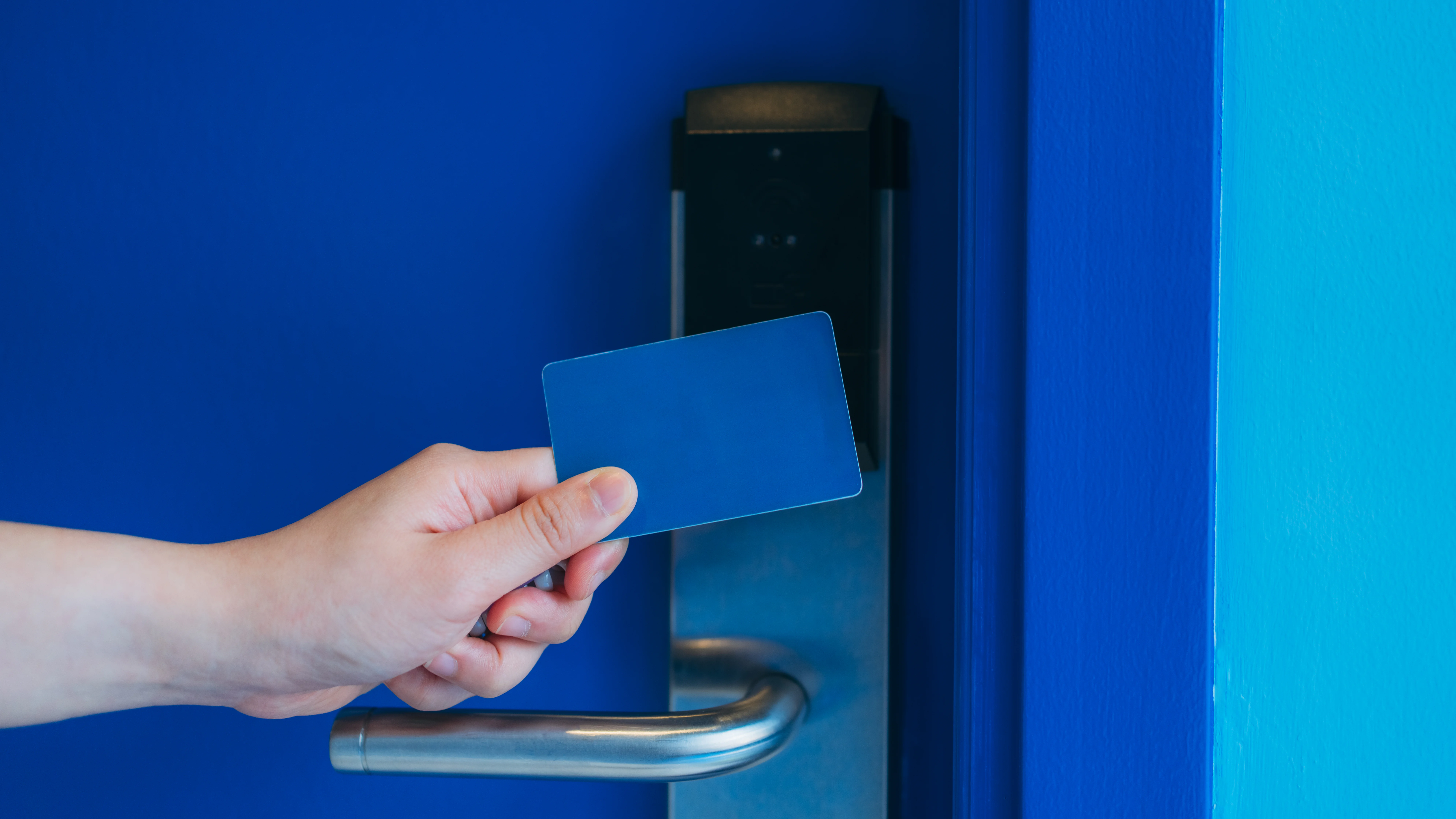

Then we recommend a system that fits. That might be card readers, keypad entry, biometric scanners, or mobile credentials that work through smartphones. We’ll explain what each option does, what it costs, and why it makes sense for your setup. If you’ve got existing security cameras or alarm systems, we’ll make sure everything integrates.
Once you approve the plan, we schedule the installation. Our technicians mount the hardware, run the wiring, program the system, and test every door. We show you how to add users, pull reports, and adjust access levels. If something stops working right, we’re a phone call away—and because we’re based in Prospect Park, we can usually get to Lower Chichester locations within 20 to 30 minutes.
Ready to get started?
A proper access control system installation includes the physical hardware—readers, locks, control panels, and power supplies—plus the software that manages it all. You’ll be able to create user profiles, set schedules, and generate reports that show who entered and when.
For businesses in Lower Chichester, that often means integrating door entry systems with existing infrastructure like CCTV or alarm monitoring. We handle that coordination so you’re not juggling multiple vendors or dealing with compatibility issues down the road.
You also get training. We don’t just install the system and leave. We walk your team through how to add employees, deactivate lost cards, lock doors remotely, and troubleshoot common issues. Most cloud-based systems let you manage access from your phone, which is helpful when you’re off-site or need to let someone in after hours.
And if something breaks or stops responding, we service what we install. We carry parts for the major manufacturers—Kwikset, Medeco, Schlage—and we’re authorized to work on their systems. That means faster repairs and no runaround when you need support.
Yes. Most modern access control systems let you manage users yourself through a web portal or mobile app.
When someone joins your team, you create a profile, assign their credentials—whether that’s a key card, PIN code, or smartphone access—and set their permissions. When they leave, you deactivate their access immediately. No need to collect keys, rekey locks, or wonder if they made copies.
This is especially useful for businesses with high turnover or seasonal staff. You control access in real time, and the system logs every change so there’s a record of who had access and when. If you ever need help adjusting settings or troubleshooting, we’re available—but day-to-day management is designed to be handled by you.
It depends on how many doors you’re securing, what type of credentials you want, and whether you need integration with cameras or alarms. A basic system for a single door might start around a few hundred dollars. A multi-door setup with advanced features can run several thousand.
The real cost isn’t just installation—it’s what you’re replacing. If you’re currently rekeying locks every time someone leaves, paying for lost key replacements, or dealing with break-ins because you can’t track who has access, those expenses add up fast. Many Delaware County businesses see insurance premium reductions of 5 to 15 percent after installing certified access control systems.
We give you a clear quote after the site visit. No surprises, no upselling. You’ll know exactly what the system costs, what it includes, and what ongoing expenses to expect for things like software licenses or maintenance.
If the system fails, most setups have a backup. Depending on how it’s configured, doors can either fail secure—meaning they stay locked—or fail safe, meaning they unlock so people can exit safely. We help you decide which makes sense for each door based on fire codes and security needs.
If someone gets locked out and the system isn’t responding, you can usually override it manually or unlock doors remotely through the management software. If there’s a bigger issue—like a power failure, damaged reader, or software glitch—we respond fast. For most locations in Lower Chichester and Delaware County, we’re on-site within 20 to 30 minutes.
We also offer service agreements that include regular maintenance, priority response, and system health checks. That reduces the chance of unexpected failures and keeps everything running smoothly long-term.
Sometimes. It depends on the type of locks you currently have and whether your doors are prepped for electronic hardware.
If your doors already have commercial-grade locks and the right cutouts, we can often retrofit access control readers and electric strikes without replacing the entire door. If you’ve got residential-grade hardware or doors that aren’t set up for controlled access, we may need to upgrade the locks or install new strike plates and closers.
We assess all of that during the site visit. We’ll tell you what can stay, what needs to be replaced, and why. The goal is to get you a system that works reliably without unnecessary costs. If your current setup can support access control with minor modifications, we’ll make that work. If it can’t, we’ll explain what’s needed and give you options that fit your budget.
Yes. Mobile credentials are becoming the standard, especially for businesses that want to eliminate physical cards altogether.
Employees download an app, and their phone becomes their key. They tap or wave it near the reader, and the door unlocks. If they lose their phone, you deactivate their access remotely—just like you would with a key card. No need to issue plastic badges, and no one’s walking around with a dozen cards clipped to their belt.
Mobile access also makes it easier to grant temporary credentials. If a contractor needs access for a week, you send them a digital key that expires automatically. No cards to collect, no risk of someone holding onto access longer than they should. It’s faster, cleaner, and easier to manage—especially for businesses in Lower Chichester that work with rotating staff or frequent visitors.
In most cases, yes. Insurance companies often reduce premiums for businesses that install certified commercial security systems, including access control. The reduction varies, but 5 to 15 percent annually is common.
Access control also helps with compliance. Pennsylvania businesses are required to report data breaches within five business days under state law. If your building houses sensitive information—medical records, financial data, customer files—being able to prove who accessed which areas and when can protect you during audits or investigations.
We install systems that generate detailed logs and integrate with other security measures like surveillance cameras. That creates a documented chain of access that satisfies most regulatory requirements and gives you a defensible record if something goes wrong. It’s not just about security—it’s about proving you took reasonable steps to protect what’s inside.