
Hear from Our Customers
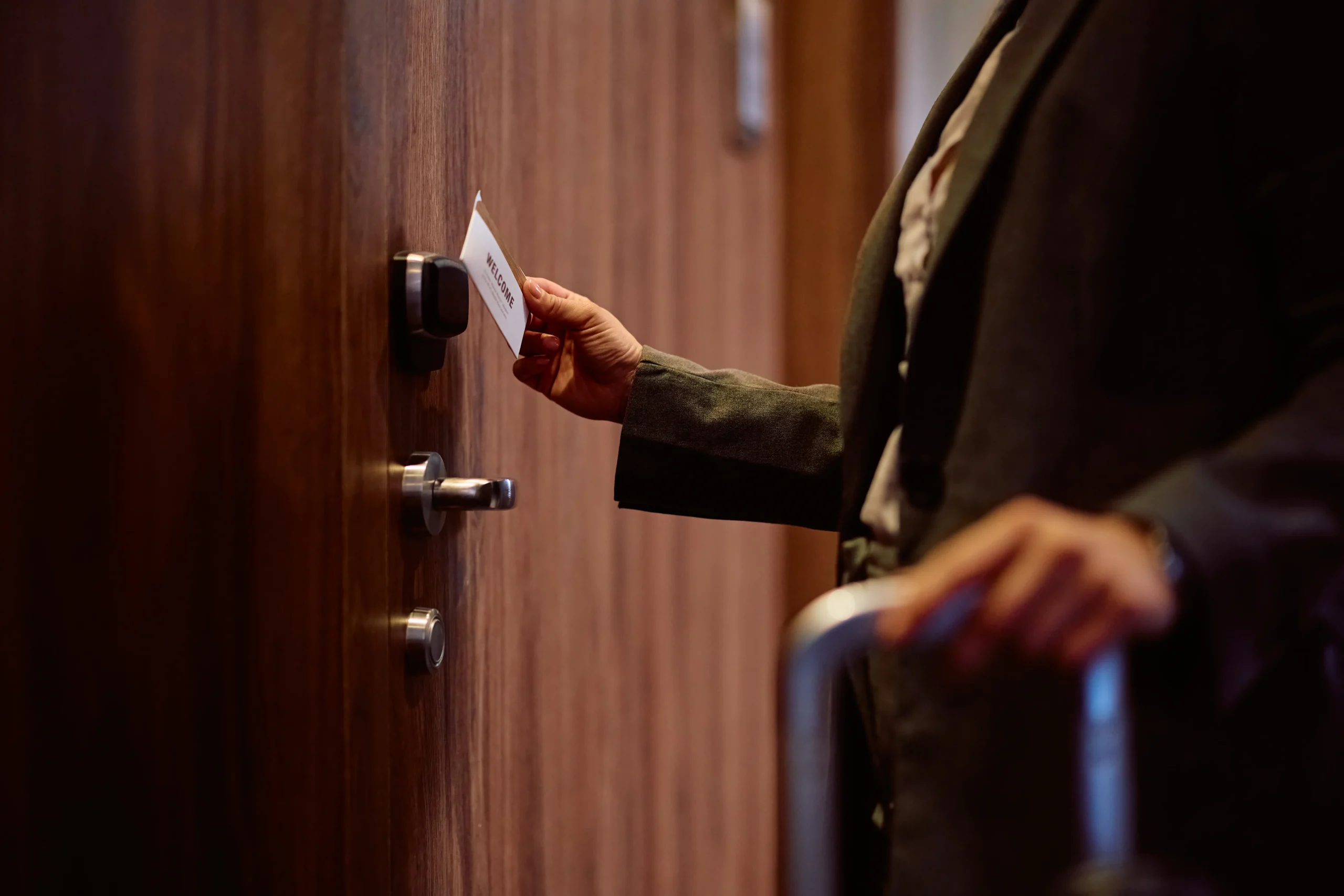
You stop tracking down keys every time someone leaves your company. No more emergency rekeying when an employee quits and doesn’t return their key. No more wondering if a former contractor still has building access.
With door access control systems, you grant and revoke access from your phone or computer. You see who entered, when they entered, and which door they used. If someone tries to access a restricted area, you know immediately.
This matters in Linwood and throughout Chester County, where organized burglary rings have been targeting commercial properties. Your insurance company notices too – many carriers offer reduced premiums when you install commercial-grade access control. You’re not just buying hardware. You’re buying accountability, reducing liability, and eliminating the constant anxiety about building security.
The McCausland family has been in locksmithing since the late 1800s. We opened our Prospect Park location in 1981, and we’re still here – now serving Linwood and the entire Delaware Valley with the same family running the business.
We’ve installed access control systems in office buildings, medical facilities, schools, and industrial properties throughout Chester County. We know the local security challenges because we’ve been solving them for decades. When you call, you’re talking to people who’ve seen every type of building entry problem and actually know how to fix it.
We’re licensed in Pennsylvania, bonded, and our technicians are members of the American Locksmith Association of Pennsylvania. We’re not a national chain that disappears after installation. We’re local, and we’ll be here when you need support.

We start with a site assessment at your Linwood property. We look at every entry point, discuss who needs access to which areas, and identify any integration needs with existing security systems or CCTV. This isn’t a sales pitch – it’s a real evaluation of what you actually need.
Next, we design the system. You’ll see exactly which doors get readers, how employees will gain access (key cards, fobs, mobile credentials, or biometrics), and how you’ll manage everything. We explain the options without the technical jargon – just clear information about what works and what doesn’t.
Installation typically happens during off-hours so we’re not disrupting your business. We mount readers, run wiring, install control panels, and integrate everything with your network if you’re using cloud-based access control. Then we test every single entry point.
Before we leave, we train your team on the management software. You’ll know how to add users, set access schedules, pull entry reports, and handle common issues. We don’t just hand you a manual – we make sure you’re comfortable running the system. After that, we’re available whenever you need support or want to expand the system.

Ready to get started?
You get hardware that’s actually built for commercial use – not residential-grade equipment that fails under daily use. We install readers designed for high-traffic doors, control panels that handle multiple entry points, and credentials that don’t wear out after a few months.
The management software lets you control everything from one place. Set different access levels for employees, contractors, and visitors. Create time-based restrictions so certain doors only unlock during business hours. Get instant alerts when someone uses an access point outside their normal schedule.
Integration matters in Linwood’s business environment. Your access control connects with CCTV systems so you see video of every entry event. It links with alarm systems to automatically arm and disarm based on who’s in the building. For multi-tenant properties or businesses with sensitive areas, you create zones where only specific people have access.
We’re seeing more Linwood businesses move to cloud-based systems because you can manage access from anywhere. Employee calls in sick and their replacement needs building access? You handle it from your phone. Need to let a vendor in on Saturday? Grant temporary access without driving to the property. The technology exists – we just make sure it actually works the way you need it to.

Installation costs depend on how many doors you’re controlling, what type of credentials you want, and whether you’re going with a traditional on-premise system or cloud-based access control. A basic setup for a small office with two or three doors typically starts around $2,000 to $3,500, including hardware, installation, and initial programming.
Larger buildings with multiple entry points, integration with existing security systems, or advanced features like biometric readers will cost more. But here’s what matters – you’re comparing this to the cost of rekeying your entire building every time someone loses a key or leaves the company. Most Linwood businesses we work with see a return on investment within the first year just from eliminating rekey costs and reducing security incidents.
We give you an exact quote after the site assessment. No surprises, no hidden fees. You’ll know what you’re paying before we start any work.
Yes, in most cases. We regularly integrate new door access control systems with existing commercial locks, especially if you have quality hardware already installed. We can add electric strikes or magnetic locks to your current doors without replacing everything.
For security system integration, it depends on what you’re currently using. Most modern access control systems communicate with CCTV cameras, alarm panels, and intrusion detection systems through standard protocols. We’ve successfully integrated access control with various security setups throughout Chester County.
The site assessment tells us exactly what’s possible with your current infrastructure. Sometimes we recommend replacing certain components because they’re outdated or incompatible, but we’re not trying to sell you equipment you don’t need. If your existing locks or security hardware works and integrates properly, we’ll use it.
Most commercial access control systems include fail-safe or fail-secure options depending on your needs and local fire codes. Fail-safe means doors unlock automatically during power outages – important for emergency exits. Fail-secure means they stay locked – better for sensitive areas. We design the system based on your building’s requirements and safety regulations.
If someone gets locked out during business hours, you can grant access remotely through the management software if you’re using a cloud-based system. For on-premise systems, someone with admin access can unlock doors from the control panel. We also set up backup access methods for emergencies.
When technical issues happen, we respond fast. We’re local to the Delaware Valley, so we’re not routing your service call through a national call center. You talk directly to our team, and we get someone to your Linwood property quickly. We also provide training so your staff can handle basic troubleshooting – simple issues like resetting a reader or adding a new user don’t require a service call.
Cloud-based systems let you manage access from anywhere with an internet connection. You’re not tied to a computer in your office – you control everything from your phone or laptop. Updates happen automatically, you don’t need to maintain servers, and adding new locations is simple. The downside is you’re paying a monthly subscription fee, and if your internet goes down, you can’t make changes remotely (though the system still works locally).
Traditional on-premise systems mean you own all the hardware and software outright. No monthly fees after installation, and everything runs on your local network. You have complete control over your data. The tradeoff is you’re responsible for updates, backups, and maintaining the server. Remote access is possible but requires more setup.
For most Linwood businesses, we’re seeing a shift toward cloud-based access control because the convenience outweighs the subscription cost. But if you have specific data security requirements, need to avoid ongoing fees, or want complete local control, on-premise systems still make sense. We install both, and we’ll recommend what actually fits your situation – not just what’s easier for us.
Many insurance carriers offer premium reductions when you install commercial-grade access control systems, especially if you combine them with CCTV and alarm monitoring. The discount varies by carrier and policy, but we’ve seen reductions ranging from 5% to 20% for Linwood businesses that upgrade their security.
The bigger financial impact comes from reduced liability and theft losses. When you can prove exactly who accessed your building and when, you have documentation if something goes missing or gets damaged. That matters during insurance claims and potential lawsuits. You’re also reducing the risk of unauthorized access, which means fewer incidents to claim in the first place.
Talk to your insurance agent before installation. Some carriers have specific requirements for equipment or monitoring to qualify for discounts. We can provide documentation of the system we’re installing, including equipment specs and installation details, which most insurance companies need for the discount approval. The security improvement is the main reason to install access control, but the insurance savings help offset the cost.
A straightforward installation for a small office with three to five doors usually takes one to two days. Larger buildings with multiple entry points, complex wiring requirements, or integration with existing security systems can take three to five days. We schedule most installation work during evenings or weekends so we’re not disrupting your normal business operations.
The timeline also depends on whether we’re working with existing infrastructure or running new wiring. Buildings with accessible ceiling space and clear pathways for cable runs go faster. Older buildings with limited access or concrete walls take longer because we need to carefully route wiring without damaging your property.
We give you a specific timeline during the site assessment. We’re not going to tell you “a few days” and leave it vague – you’ll know exactly when we’re starting, how long we’ll be on-site each day, and when the system will be fully operational. We also build in time for thorough testing and training, because an access control system that’s installed but not properly configured or understood doesn’t help you.