
Hear from Our Customers
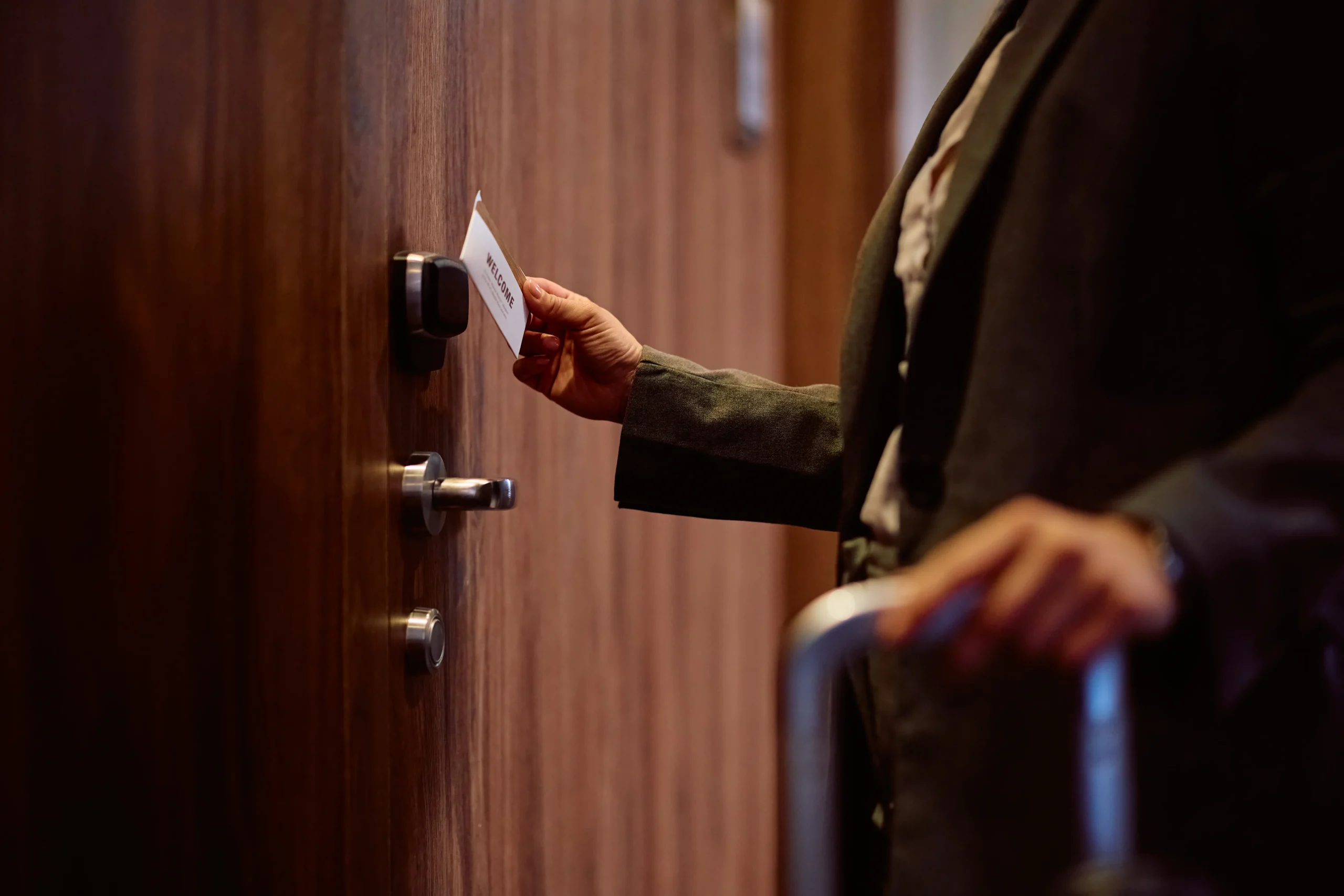
You’re not looking for another security headache. You need access control systems that let you manage entry from your phone, track who came and went, and stop worrying about lost keys or unauthorized access after hours.
That’s what modern business access control systems do. They replace the chaos of physical keys with card readers, keypads, or biometric scanners that you control remotely. You decide who gets in, when they get in, and you get alerts if someone tries to enter outside their authorized times.
For businesses in Holme Circle and throughout Northeast Philadelphia, this matters more now than it did five years ago. Break-ins are up. Employee turnover means constant key changes. Hybrid work schedules mean you can’t always be on-site. A proper door entry system gives you back control without adding more to your plate.
We’ve been serving businesses and families in the Delaware Valley since the late 1800s. We’re not a franchise or a call center. We’re a family operation run by fourth-generation locksmith Tom McCausland and his daughter Chrissy, operating out of our Prospect Park storefront just minutes from Holme Circle.
We’re the largest locksmith company in the Delaware Valley because we’ve earned that spot. We’ve handled everything from simple house lockouts to complex commercial security installations across Delaware County, Philadelphia, and surrounding areas. Our technicians are licensed, insured, and trained on the systems we install, which means you’re not getting a different crew for installation and service calls.
When you call us for access control system installation in Holme Circle, you’re getting a piece of local history and the kind of expertise that only comes from doing this work for over 140 years.
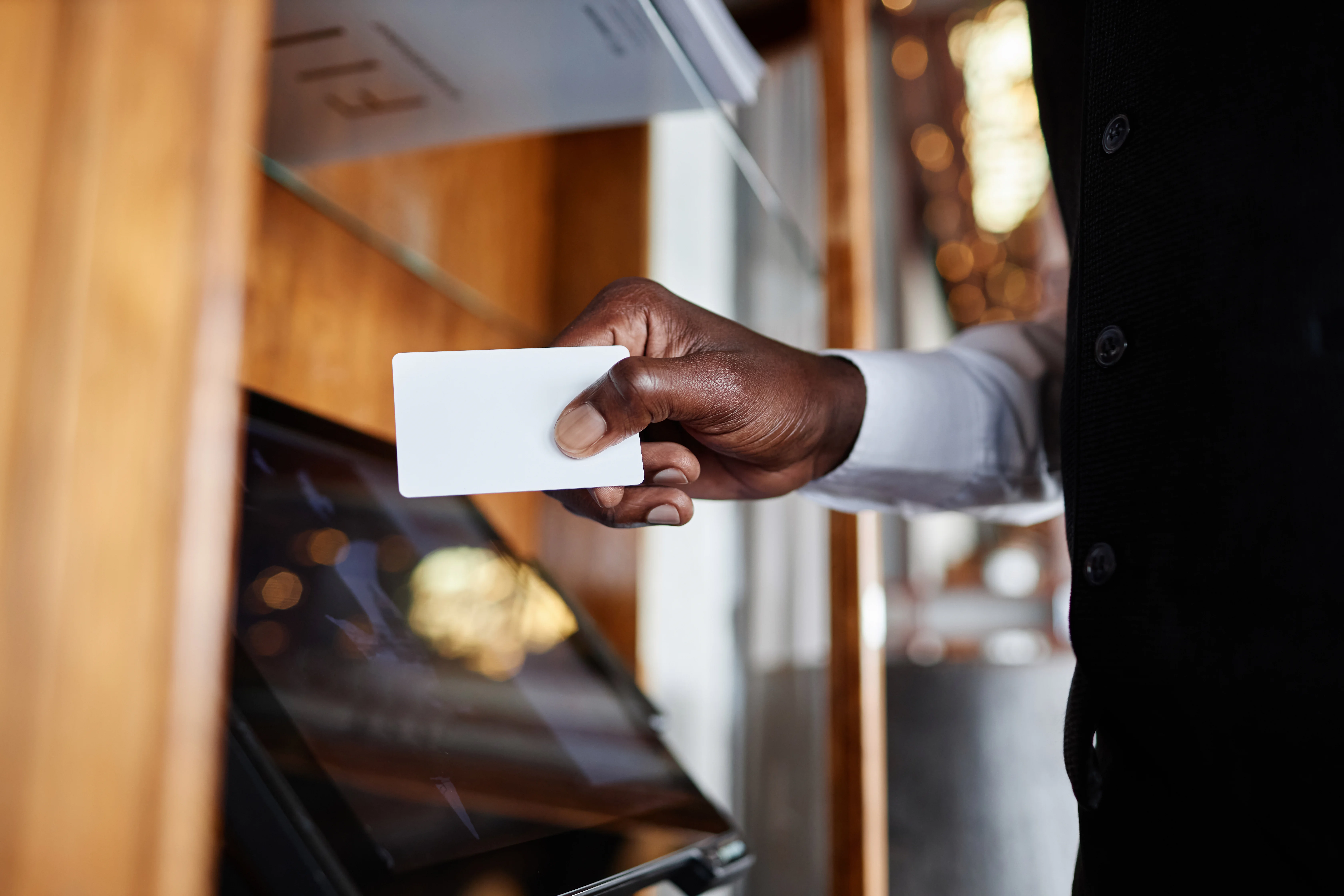
We start with a free walk-through of your property. This isn’t a sales pitch. It’s a real assessment where we look at your entry points, ask about your security concerns, and figure out what type of system makes sense for how you actually operate. Some businesses need card readers at every door. Others just need to secure the front entrance and a back office.
Once we understand your setup, we recommend a system that fits your budget and your actual needs. We work with top manufacturers like Kwikset, Medeco, and Schlage, so you’re getting OEM parts that last. We’ll explain what each option does, what it costs, and why it might or might not make sense for your building.
Installation happens on your schedule. Our team shows up on time, installs the hardware, programs the system, and walks you through how to add users, set access schedules, and pull reports. You’ll know how to manage everything before we leave. And if something goes wrong down the line, we’re local, so we can get to you fast.
Ready to get started?
A good access control system does more than unlock doors. You get cloud-based management, which means you can add or remove users from anywhere without driving to the building. You get detailed logs showing who entered and when, which matters for compliance, liability, and just knowing what’s happening at your property.
You also get integration with other security systems. If you already have cameras or an alarm system, we can tie everything together so it works as one platform. That means fewer apps to manage and better visibility across your entire building.
For businesses in Holme Circle, this is especially useful if you manage multiple locations or have employees working odd hours. The system handles the access rules automatically. You set it once, and it runs. No more handing out keys to contractors or worrying about who made copies.
We also handle ongoing maintenance and support. Access control systems are reliable, but they’re still technology. Readers fail. Software needs updates. When that happens, you need someone local who can fix it without a three-day wait. That’s us.

It depends on how many doors you’re securing and what type of system you choose. A basic single-door setup with a card reader and cloud-based software typically starts around $1,500 to $2,500 installed. That includes the hardware, installation, and initial programming.
If you’re securing multiple entry points or need more advanced features like biometric readers, mobile credentials, or integration with existing security cameras, you’re looking at a higher investment. Most small businesses in Holme Circle spend between $3,000 and $8,000 for a complete system that covers their main entrances and any restricted areas like server rooms or storage.
The good news is that you’re not locked into one big purchase. We can start with your most critical doors and add more access points later as your budget allows. The system scales with you, so you’re not paying for capacity you don’t need right now.
You can absolutely manage it yourself. Modern cloud-based access control systems are designed for business owners, not IT departments. The interface is usually as simple as logging into a website or app, finding the user you want to add or remove, and clicking a few buttons.
We walk you through the whole process during installation. You’ll learn how to add new employees, set their access schedules, deactivate credentials when someone leaves, and pull reports if you need to see who entered the building. Most of our clients in Holme Circle handle day-to-day management on their own without any issues.
That said, if you do have IT support or prefer to hand it off, that works too. We can set up admin accounts for whoever needs access to the system. And if you ever get stuck or need to make a change you’re not comfortable with, we’re a phone call away.
Most commercial access control systems have battery backup built into the hardware, so a power outage doesn’t mean you’re locked out or that your building is unsecured. The readers and control panels will keep running for several hours, sometimes longer depending on the system.
If you’re using electronic locks or magnetic locks, you can configure them to either fail-secure (stay locked) or fail-safe (unlock) during a power loss. For most businesses, fail-secure makes sense for perimeter doors, while fail-safe is better for interior doors where you don’t want people trapped inside during an emergency.
Cloud-based systems store all your data off-site, so even if your internet goes down temporarily, the system keeps working based on the last settings it received. Once connectivity is restored, everything syncs back up automatically. We also offer ongoing maintenance plans that include regular system checks to catch potential issues before they become problems.
For a single-door installation, we’re usually in and out in a few hours. That includes mounting the reader, running any necessary wiring, installing the lock hardware, connecting everything to the control panel, and programming the system with your initial users.
Multi-door installations take longer, but most small to mid-sized businesses in Holme Circle are fully operational within one to two days. The timeline depends on how many access points you’re securing, whether we need to run new wiring, and if you’re integrating with existing security systems.
We schedule installations around your business hours whenever possible. If you can’t afford downtime during the day, we can work evenings or weekends. The goal is to get you up and running with minimal disruption to your normal operations.
In many cases, yes. We can retrofit access control hardware onto most commercial doors without replacing the entire door or frame. The type of lock you currently have and the door material will determine what’s possible, but we work with what you’ve got whenever we can.
For standard commercial doors with panic bars or cylindrical locks, we can usually add an electric strike or magnetic lock that integrates with the access control reader. If your doors are older or residential-grade, we might recommend upgrading the lock hardware to something more durable that’s designed for high-traffic commercial use.
During the initial walk-through, we’ll assess your existing doors and let you know exactly what needs to happen. Sometimes it’s a simple retrofit. Other times it makes more sense to upgrade the hardware so you’re not dealing with failures down the road. Either way, we’ll give you options and explain the trade-offs so you can make the call.
Cloud-based systems store all your data and software on remote servers that you access through a web browser or mobile app. You don’t need to maintain any on-site servers, and updates happen automatically. This is the option most small businesses in Holme Circle choose because it’s easier to manage and costs less upfront.
On-premise systems run on a local server at your building. You own and control all the hardware and data, which some businesses prefer for security or compliance reasons. The trade-off is higher upfront costs, more maintenance, and you’re responsible for software updates and backups.
For most commercial applications, cloud-based makes more sense. You get the same security features, better scalability, and you can manage everything from anywhere. If you’re in a highly regulated industry or have specific data requirements, we can talk through whether on-premise is worth the extra investment. But for general business use, cloud systems deliver better value and less hassle.