
Hear from Our Customers
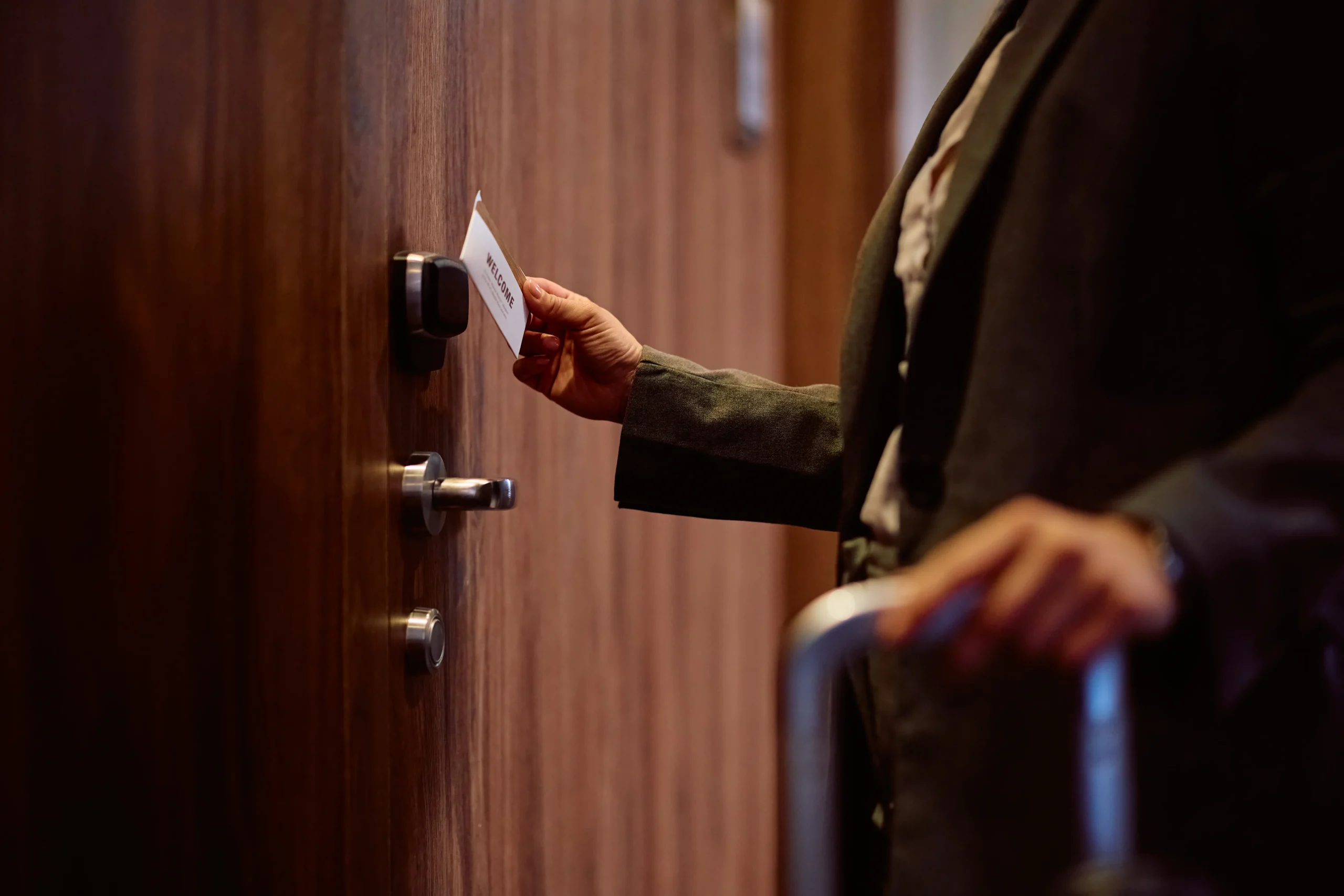
You know the feeling when an employee leaves and you’re not sure if they returned their keys. Or when you need to let a contractor in early and nobody’s available. That ends with a proper door access control system.
You get real-time visibility into who’s entering your building and when. No more wondering if someone propped open a back door or if that side entrance is actually locked at night. You can grant or revoke access from your phone in seconds, whether you’re on-site or not.
The bigger benefit? You stop reacting to security problems and start preventing them. When your access control systems installation is done right, you’re not scrambling to rekey locks or track down missing credentials. You’re running your business while your security runs itself.
We’ve been handling security in Delaware County since the late 1800s. Tom McCausland and his daughter Chrissy run what’s become the largest locksmith operation in the Delaware Valley from our Prospect Park storefront, just minutes from East Lansdowne.
We’re not a van with a phone number. We’re a real shop with real inventory and technicians who’ve seen every access control challenge you can imagine. Most calls in East Lansdowne get a response within 20 to 30 minutes because we’re local, stocked, and ready.
East Lansdowne businesses trust us because we don’t play pricing games or push systems you don’t need. You get straight answers about what will work for your building and what won’t, backed by over 140 years of knowing how security actually functions in the real world.

We start by looking at your building and understanding how people actually move through it. Where do employees enter? Do you have multiple entry points? Do you need different access levels for different staff? This isn’t a sales call—it’s a real assessment of what you need.
Once we know your requirements, we recommend a system that fits your building and budget. That might be a basic card reader setup for a single door or a full building access control system with mobile credentials and cloud management. We explain what each option does and what it costs, so you can make an informed decision.
Installation happens on your timeline with minimal disruption. Our technicians handle all the electrical work, mount the hardware, program the system, and test everything before we leave. You get a walkthrough of how to add users, run reports, and manage access from wherever you are.
After installation, you’re not on your own. We’re local, so if something needs adjustment or you have questions down the road, we’re 20 minutes away—not on hold with a call center three states over.
Ready to get started?
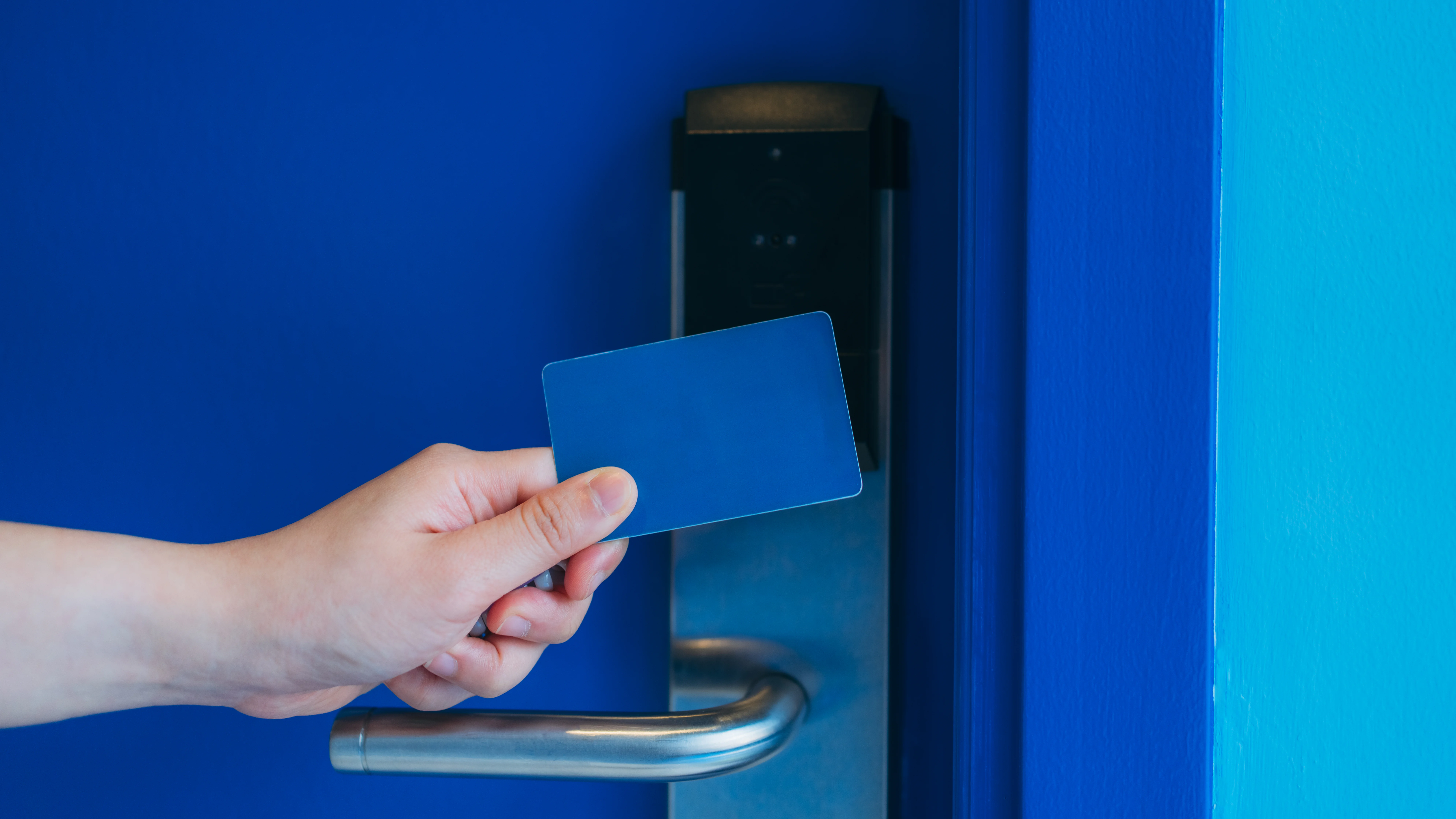

Your access control system installation includes the hardware, software, and setup that makes sense for your property. That means door readers, control panels, credentials (cards, fobs, or mobile access), and the management platform where you control everything. We handle the wiring, mounting, and integration with any existing security infrastructure you have.
You get systems that work with your building’s layout. Single-door setups for small offices. Multi-door configurations for warehouses or retail spaces. Gate access control systems for properties with perimeter security needs. Everything is sized to what you’re actually securing, not what a salesperson wants to sell.
Here’s what matters for East Lansdowne businesses: this area has a crime rate of 33.11 per 1,000 residents, with incidents happening roughly every four days. You’re not being paranoid by upgrading your security—you’re being realistic. A proper door entry system gives you documentation of who accessed your property and when, which matters both for daily operations and if something does go wrong.
We install systems from manufacturers we trust—brands like Kwikset, Medeco, and Schlage that we’re authorized to service. You’re not locked into proprietary hardware that only one company can fix. If you grow or your needs change, your system can scale without starting from scratch.
For a single door or entry point, you’re typically looking at $2,500 to $5,000 for a complete system. That includes the controller, reader, credentials, installation, and basic programming. The range depends on what type of credentials you want (basic proximity cards are cheaper than mobile access), whether you need cloud-based management, and how much integration with other systems you require.
Multi-door setups scale from there. A three-door system might run $6,000 to $12,000 depending on complexity. Larger commercial properties with ten or more access points can range higher, but at that point you’re also getting enterprise-level features like advanced reporting, automated lockdowns, and integration with CCTV systems.
What drives cost up? Specialized hardware like biometric readers, extensive wiring in older buildings, or integration with existing security infrastructure. What keeps it reasonable? Straightforward installations in newer construction, standard card readers, and systems that don’t need heavy customization. We price based on what your building actually needs, not what sounds impressive in a brochure.
Most modern commercial access control systems are designed for non-technical users to manage daily tasks. Adding or removing users, changing access schedules, and running basic reports can all be done from a web browser or mobile app without any IT background. If you can manage a Google Calendar, you can handle routine access control management.
The initial setup and programming is where you want professional help. That’s when we configure access levels, set up schedules, integrate with other systems, and make sure everything communicates properly. Once that foundation is in place, your day-to-day management is straightforward.
Cloud-based systems make this even easier because updates and maintenance happen automatically. You’re not managing servers or worrying about software patches. For small to mid-sized businesses in East Lansdowne, this means you don’t need dedicated IT staff just to keep your door access control system running. You might want IT involved for integration with HR systems or network security policies, but the access control platform itself doesn’t require technical expertise to operate.
Most access control systems have battery backup that keeps them running during power outages. The controllers store access credentials locally, so even if your internet goes down, the readers at your doors still know who’s authorized to enter. You might lose remote management temporarily, but people can still get in and out based on their existing permissions.
How long the backup lasts depends on the system, but four to eight hours is typical for standard installations. If you need longer backup times for critical facilities, we can spec larger battery systems or integrate with your building’s generator. The goal is that a power flicker or outage doesn’t lock everyone out or compromise your security.
If hardware actually fails—a reader stops working or a controller has issues—that’s where our local presence matters. We’re in Prospect Park, minutes from East Lansdowne, with inventory on hand. Most service calls get same-day response because we’re not shipping parts from across the country or scheduling technicians from a regional hub. Your building access control system gets fixed, not added to a queue.
Temporary access is one of the biggest advantages of modern door entry systems. You can issue credentials that automatically expire after a set time—give a contractor access for two weeks, and their card or mobile credential stops working on day 15 without you having to remember to revoke it. No keys to track down when the job’s done.
For very short-term access, many systems let you create one-time or limited-use credentials. A delivery driver gets a code that works twice during a four-hour window, then becomes invalid. A cleaning crew gets access every Tuesday and Thursday from 6 PM to 10 PM, but the credential won’t work any other time. You set the parameters once and the system enforces them automatically.
This is especially useful for East Lansdowne businesses that use contract labor or have high turnover. You’re not constantly rekeying locks or worrying about who still has physical keys floating around. Guest access gets granted and revoked digitally, with a complete audit trail of who entered when. If someone tries to use an expired credential, you get an alert and a record of the attempt.
Integration depends on what you currently have, but most professional-grade access control systems can connect with CCTV and alarm systems. The benefit is that when someone badges in, your cameras automatically pull up that door’s feed so you can visually verify who entered. If an unauthorized access attempt happens, your alarm system can be triggered automatically.
We handle commercial and industrial electrical work, including the integration between different security systems. That means we can assess what you have, determine what’s compatible, and make the connections happen. Sometimes it’s straightforward—modern systems with open APIs talk to each other easily. Sometimes it requires additional hardware or controllers to bridge older equipment.
The key question is what you want these systems to do together. Basic integration might just be time-stamping access events with video footage. Advanced integration could include automated lockdowns when an alarm triggers, or access denial if someone hasn’t completed required training in your HR system. We start with understanding your workflow, then build the technical integration to support it. You’re not buying technology for technology’s sake—you’re getting systems that actually work together to make your security more effective and your management easier.
A single-door installation typically takes four to six hours from start to finish. That includes mounting the hardware, running any necessary wiring, programming the system, and walking you through how to use it. For a basic office or retail entrance, we can often complete the job in a single visit with minimal disruption to your business.
Multi-door installations take longer depending on the building layout and how many access points you’re securing. A three to five door system might take one to two days. Larger commercial properties with ten or more doors, extensive wiring needs, or complex integration requirements could take several days to a week. We schedule around your business hours when possible—running wire and doing rough installation when you’re closed, then finishing programming and testing during slower periods.
The timeline also depends on your building’s construction. Newer buildings with accessible conduit and modern electrical infrastructure go faster. Older East Lansdowne buildings might need more time for wiring, especially if we’re working around plaster walls or trying to minimize visible conduit runs. We give you a realistic timeline upfront based on what we see during the initial assessment, so you can plan accordingly and know what to expect.