Everything Delaware County drivers need to know about car key replacement — costs, key types, programming, and how to avoid getting overcharged.

You didn’t plan for this. The key is gone — lost somewhere between the Wawa on Baltimore Pike and the back pocket of yesterday’s jeans — and now you’re staring at your car wondering what it’s actually going to cost to fix this. The dealer quote you just Googled is making things worse.
Here’s the thing: car key replacement in Delaware County doesn’t have to be a nightmare. The technology has changed, the options have expanded, and a qualified local locksmith can handle most jobs on-site, faster than you’d expect, and for a fraction of what the dealership charges. This guide walks you through everything — what kind of key you have, what the process looks like, what it costs, and what to watch out for.
Not all car keys are created equal, and the replacement process varies significantly depending on what your vehicle uses. A basic mechanical key from a 1995 Civic is a completely different job than replacing a proximity smart key on a 2022 Kia Soul. Understanding which category your key falls into is the first step — and it directly affects both the cost and the process.
The three main types you’ll encounter are traditional transponder keys (the ones with a chip embedded in the plastic head), key fobs with a separate or integrated remote, and smart keys that allow push-button start without physically inserting anything. Each requires different equipment, different expertise, and a different conversation with whoever you call.
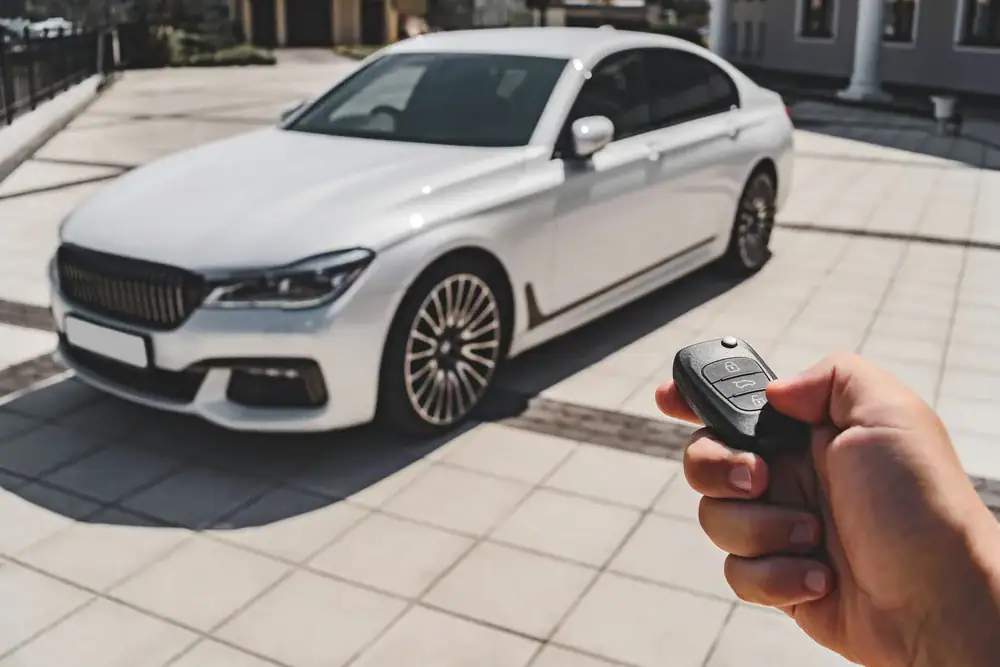
Starting in the mid-1990s, automakers began embedding microchips inside key heads. When you turn the ignition, the car’s computer sends a signal to the chip — and if the chip doesn’t respond with the right code, the engine won’t start. This is the immobilizer system, and it’s why you can’t just cut a new key at a hardware store kiosk and call it a day.
Programming a replacement key means syncing that chip to your specific vehicle’s computer. It requires professional-grade diagnostic equipment — the same category of tools used by dealership service departments. We carry this equipment on our trucks, which is why the job can happen in your driveway, a parking lot, or wherever you happen to be.
The all-keys-lost scenario is where this gets more complicated and more expensive. When there are no working keys left, we have to work from scratch — pulling vehicle data, cutting a new blade to your car’s specific bitting code, and programming the new key without the shortcut that a working key provides. It takes more time and specialized equipment, but it’s still something we can do on-site. The dealer, by contrast, needs your car physically present in their service bay — which means a tow, which means an extra $75 to $200 before the key replacement even starts.
One thing worth knowing: the key blank itself matters. Aftermarket blanks — the cheap ones sold online — often have the wrong chip frequency or come pre-locked to another vehicle. They look identical to the right key, but they won’t program correctly, and some can cause repeated failed start attempts that trigger additional lockout protocols in the vehicle’s computer. OEM blanks cost more for a reason.
Key fobs are the remote units that lock and unlock your doors — sometimes integrated into the key itself, sometimes separate. A basic fob replacement runs $50 to $150 through us, compared to $150 to $600 at the dealership. The programming process is similar: the new fob has to be synced to your car’s receiver, and that requires the right equipment and the right sequence for your specific make and model.
Smart keys — the proximity fobs used with push-button start systems — are the most complex and the most expensive to replace. Our pricing typically falls in the $220 to $500 range. Dealer pricing for the same job? Often $400 to $1,200 or more. A real-world example: one Delaware County driver was quoted $1,010 per key for a 2022 Kia Soul at the dealership. That’s not a typo. That’s roughly 14% of what the car cost new.
Before assuming you need a full replacement, it’s worth checking the battery. A dead or dying fob battery mimics a broken fob almost perfectly — the car doesn’t respond, the buttons feel unresponsive, and it’s easy to assume the fob itself has failed. A new CR2032 battery costs about $5 and takes two minutes to swap. If the fob still doesn’t work after that, then you’re looking at a replacement. For push-to-start systems, most vehicles have a backup method to start the car even with a dead fob battery — usually by holding the fob directly against a specific spot on the dash or steering column. Check your owner’s manual before assuming you’re stuck.
The bottom line on cost: for a transponder key that needs to be cut and programmed, expect to pay $120 to $350 through us. For a key fob, $50 to $150. For a smart key, $220 to $500. In every category, we come in well below dealer pricing — typically 30 to 60% less — and the quality, when OEM parts are used, is identical.
Want live answers?
Connect with a McCausland Lock Service expert for fast, friendly support.
Delaware County is car-dependent in a way that makes a lost or broken key genuinely disruptive. Whether you’re commuting out of Prospect Park, running errands near the Springfield Mall, or parked near the Widener University campus in Chester, being without your car isn’t a minor inconvenience — it affects your whole day.
We exist precisely for this situation. Our mobile locksmith service brings everything needed to cut and program a new key on-site. No tow, no waiting at a service counter, no rental car. Most jobs are done in under 30 minutes from the time our technician arrives.
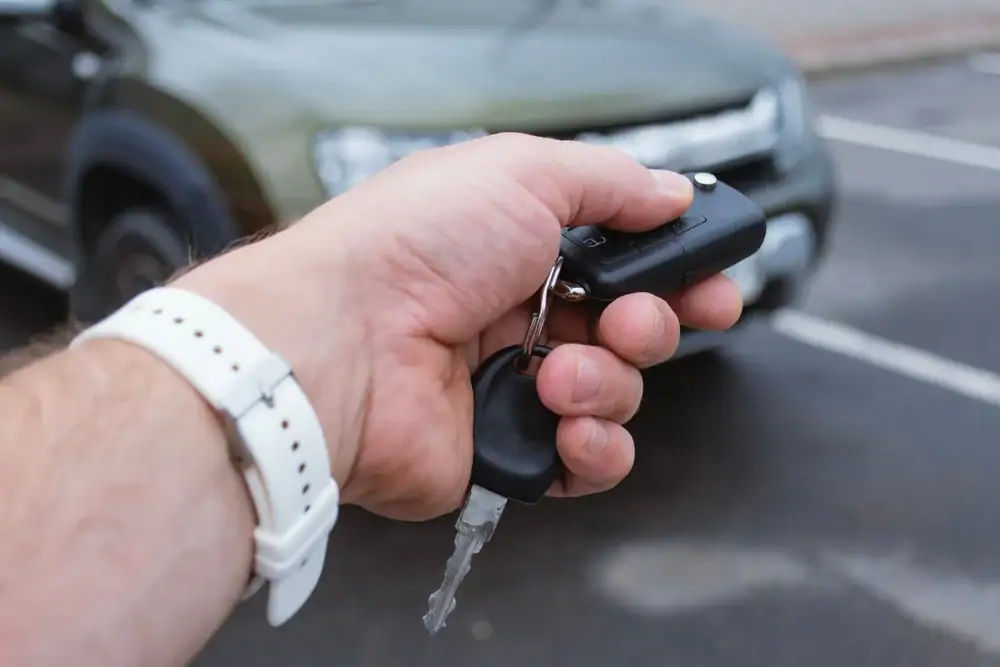
When you call for mobile key service, the first thing we’ll ask is your vehicle’s year, make, model, and VIN. The VIN is how we pull the exact key code for your vehicle — it’s tied to your car the way a fingerprint is tied to a person. With that information, our technician can arrive already knowing what blank to bring and what programming sequence to use.
Once on-site, the process moves quickly. The key blade is cut to your vehicle’s specific bitting code using a precision cutting machine in our service truck. Then the chip is programmed to communicate with your car’s immobilizer. For fob-style keys, the remote functions are programmed separately. From start to finish, most standard transponder key jobs take 20 to 30 minutes.
The all-keys-lost scenario takes a bit longer — typically 45 minutes to an hour — because there’s additional diagnostic work involved. But it’s still fully doable on-site, which is the critical point. If you’re stranded in a Drexel Hill parking lot at 7 in the morning, the difference between us and a dealership isn’t just price — it’s whether you have to arrange a tow, wait for a service appointment, and potentially go without your car for two to five business days. Our mobile key service collapses all of that into a single visit.
One thing to keep in mind: some newer vehicles with advanced encrypted key systems — certain luxury brands, high-end European models — may require dealer-level proprietary software that even well-equipped locksmiths can’t access. We’ll tell you upfront if your vehicle falls into that category, rather than attempt the job and charge you for a failed attempt. That kind of transparency is a basic professional standard.
Pennsylvania doesn’t require locksmiths to be licensed at the state level. That’s not a criticism of the trade — it’s a fact about the regulatory environment, and it matters because it means anyone can call themselves a locksmith and start taking calls. The bait-and-switch model is well-documented: a scammer advertises a low price, dispatches an unqualified technician, and then inflates the bill once the work is underway. It happens in Delaware County. It happens in Philadelphia. It’s one of the reasons people default to the dealership even when the price is painful — at least the dealer is accountable.
The answer isn’t to overpay at the dealer. The answer is to know what legitimate looks like. A real automotive locksmith has a verifiable physical address, professional certifications (ALOA’s Certified Automotive Locksmith designation is the industry benchmark), liability insurance, and a track record you can actually check. We quote a price before we start, put it in writing, and stand behind the work.
We’ve been doing this in Delaware County since the late 1800s — five generations of the McCausland family, the same community, the same trade. Our shop is at 1101 Lincoln Avenue in Prospect Park, PA, and has been for as long as most of the buildings around it have existed. When you call 610-903-9001, you’re calling a business that was here before your parents were born and plans to be here after you need your next key made.
Walk-ins are welcome at our Prospect Park shop for most vehicles — no appointment needed, most jobs done while you wait. If you need us to come to you, our mobile units cover all of Delaware County and Philadelphia County, typically arriving within 20 to 30 minutes.
If your key is lost, broken, or just stopped working, you have more options than the dealer — and most of them are faster, cheaper, and less painful than you’d expect. The key type matters, the quality of parts matters, and the credentials of whoever you call matter. We can handle the vast majority of car key replacement jobs on-site, without a tow, for significantly less than dealership pricing.
For Delaware County drivers, the process doesn’t have to be a half-day ordeal. Most jobs take under 30 minutes. Most cost a fraction of what the dealer quoted. With us, the work is backed by real credentials, real insurance, and a real business you can hold accountable.
If you’re ready to move forward — or just want to know what it’ll cost for your specific vehicle — McCausland Lock Service is the place to start. Call us at 610-903-9001 or stop by our Prospect Park location.
—
**Frequently Asked Questions**
**How much does car key replacement cost in Delaware County, PA?** It depends on the key type. A basic transponder key runs $120 to $350 cut and programmed. A key fob replacement is typically $50 to $150. Smart keys and push-button start systems range from $220 to $500. In every case, we come in well below dealership pricing — usually 30 to 60% less. If you’re in Delaware County and want a firm quote for your specific make and model, call us at 610-903-9001 before you assume the dealer is your only option.
**Can a locksmith make a new car key without the original?** Yes. Using your vehicle’s VIN, we can pull the exact key code and cut a new blade from scratch. Programming follows the same process regardless of whether a working key exists. The all-keys-lost scenario takes a bit more time and costs slightly more, but it’s fully doable on-site — no tow required.
**Is it safe to call a mobile locksmith in Delaware County, or are there scams to watch out for?** This is a legitimate concern. Pennsylvania has no state-level locksmith licensing requirement, which means the barrier to entry is essentially zero for bad actors. In Delaware County specifically, bait-and-switch scams do occur — low online quotes followed by inflated bills once the technician arrives. The safeguards are straightforward: look for a verifiable physical address, check that they’re insured, confirm their ALOA certification, and make sure they quote a firm price before starting any work. If a locksmith won’t give you a number upfront, that’s your answer. We’re located at 1101 Lincoln Avenue in Prospect Park and have been serving Delaware County for five generations — we’re happy to provide references and answer any questions about our credentials.
**Do I need to tow my car to get a new key made?** Only if you’re going to the dealership. We bring everything needed to cut and program your key on-site. For Delaware County drivers, that means no tow bill, no waiting for a service appointment, and no going without your car for days. We come to your location — whether that’s your driveway in Prospect Park, a parking lot near the Springfield Mall, or anywhere else in the county.
**How long does emergency car key replacement take?** For a standard transponder key or fob, most jobs are done within 20 to 30 minutes of our technician arriving. All-keys-lost situations take a bit longer — typically 45 minutes to an hour — because of the additional diagnostic steps involved. Either way, it’s same-day service, which is a very different experience than the two-to-five business day turnaround you’d get at a dealership.
Summary:
Article details:
Share: