
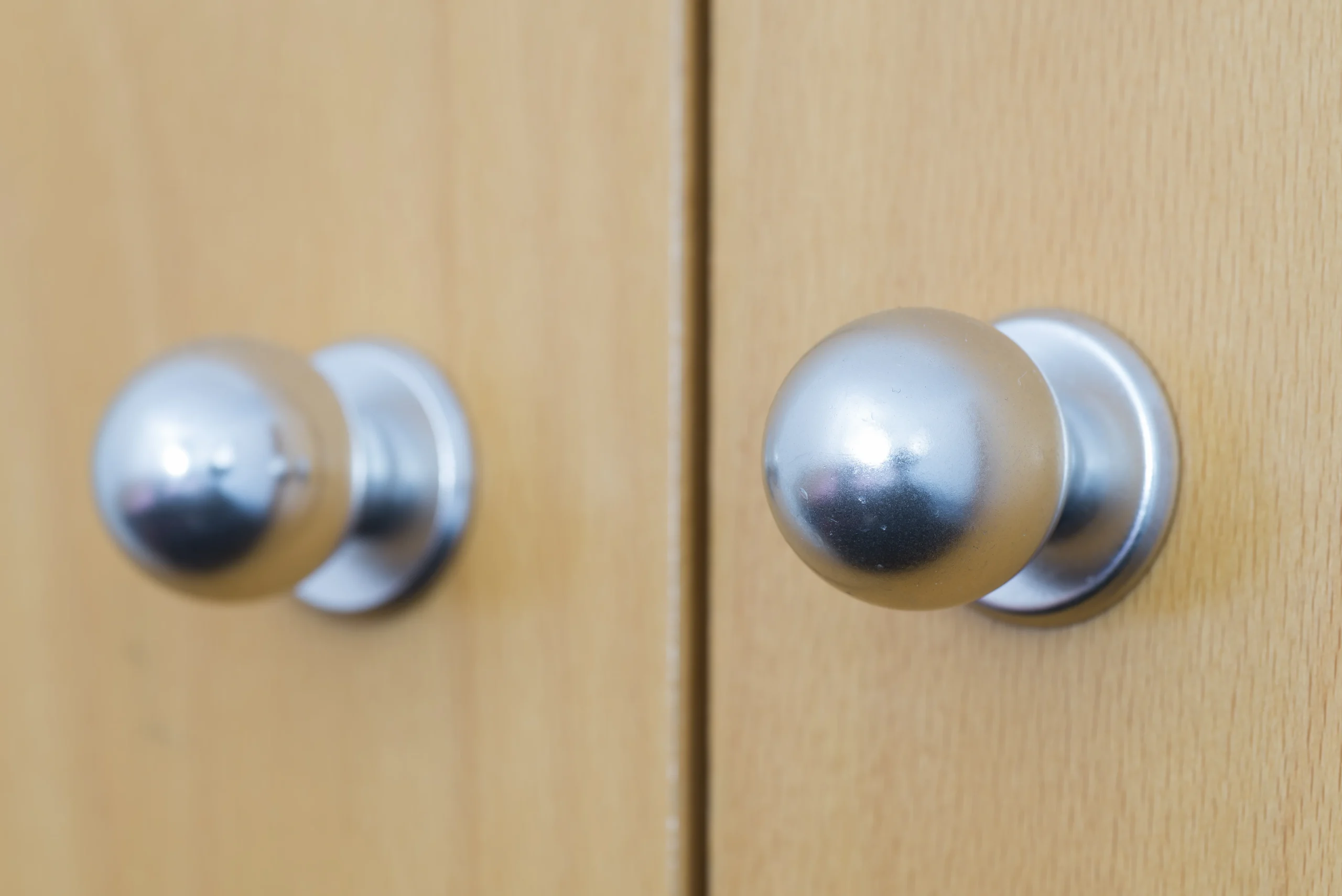
Hear from Our Customers
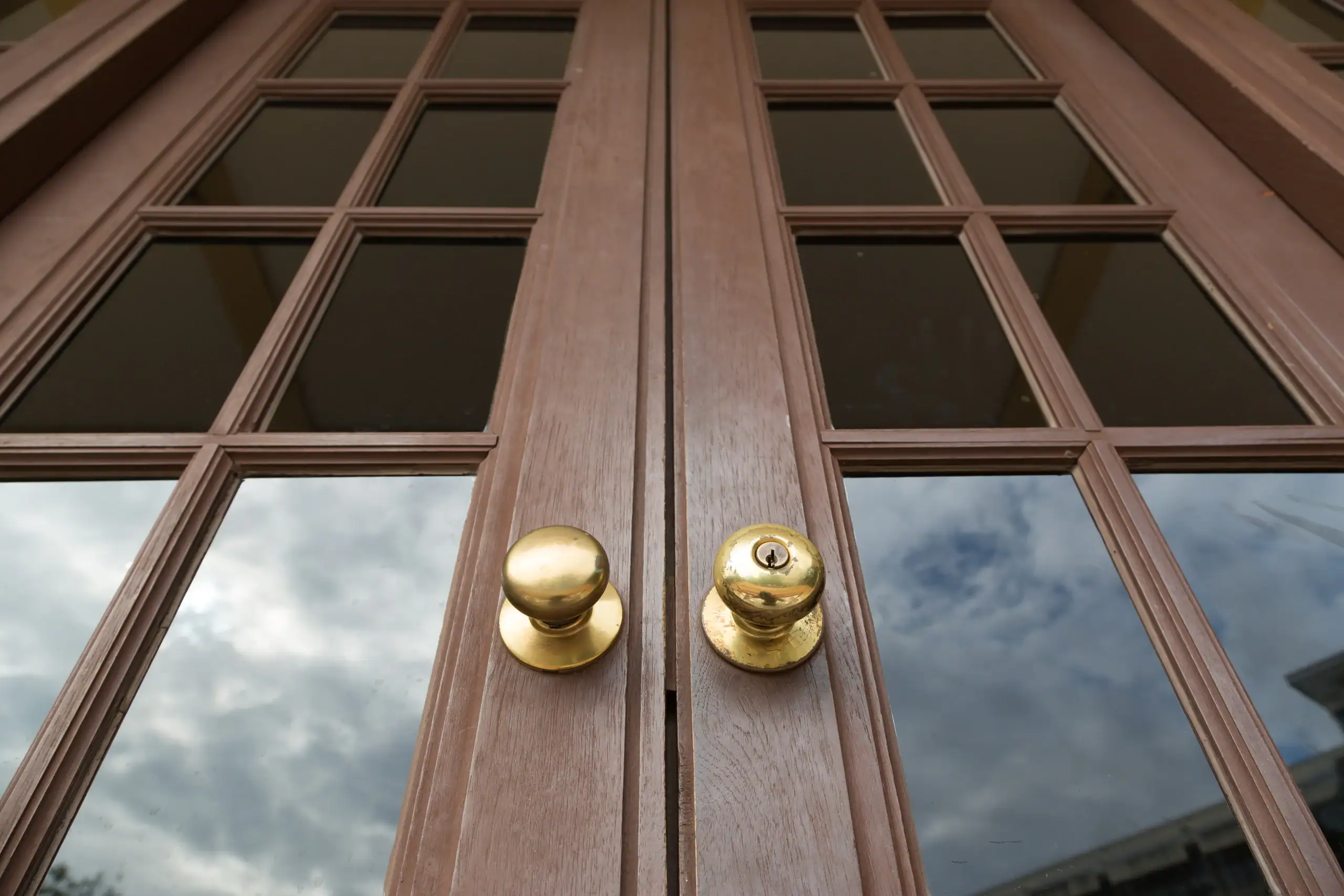
Your door closes smoothly. The latch catches every time without jiggling the handle. The lock turns without resistance, and you’re not wondering if it’ll hold up through winter or if you’ll need someone back out here in three months.
That’s what happens when door knob installation gets handled by someone who knows how to measure the backset correctly, drill the bore to the right depth, and align the strike plate so everything works together. Not just installed—installed right.
Most homes in Holmes were built before 1980, which means you’re likely dealing with non-standard bore sizes or thick door materials that don’t play nice with off-the-shelf hardware. A professional residential locksmith knows how to adapt the installation to your specific door without forcing parts that don’t fit or leaving gaps that compromise security.
You’re not paying for someone to figure it out on your property. You’re paying for it to work the day it goes in and keep working for years.
We’ve been handling locksmith services in Delaware County since the late 1800s. That’s not marketing language—it’s Tom McCausland and his daughter Chrissy running the largest locksmith operation in the Delaware Valley from our Prospect Park storefront, just minutes from Holmes.
When your neighbors recommend McCausland, they’re recommending the same family that’s been doing this work since their great-grandparents needed a locksmith. You’re not getting a call center or a subcontractor. You’re getting technicians who show up when they say they will, in fully stocked mobile workshops, with the parts and tools already on hand.
Holmes homeowners deal with the same challenges across the area—older homes with quirky door frames, security concerns in established neighborhoods, and the need for someone who won’t upsell you into equipment you don’t need. We’ve seen it all, and we’re not here to complicate it.
You call or message with what you need—whether it’s a door knob replacement, new lever installation, or an upgrade to a smart lock. We give you preliminary pricing over the phone so you’re not guessing what this will cost.
We schedule a time that works for you, usually same-day. A technician arrives in a fully equipped van with the hardware you need or helps you choose the right product if you’re not sure what fits your door and security requirements.
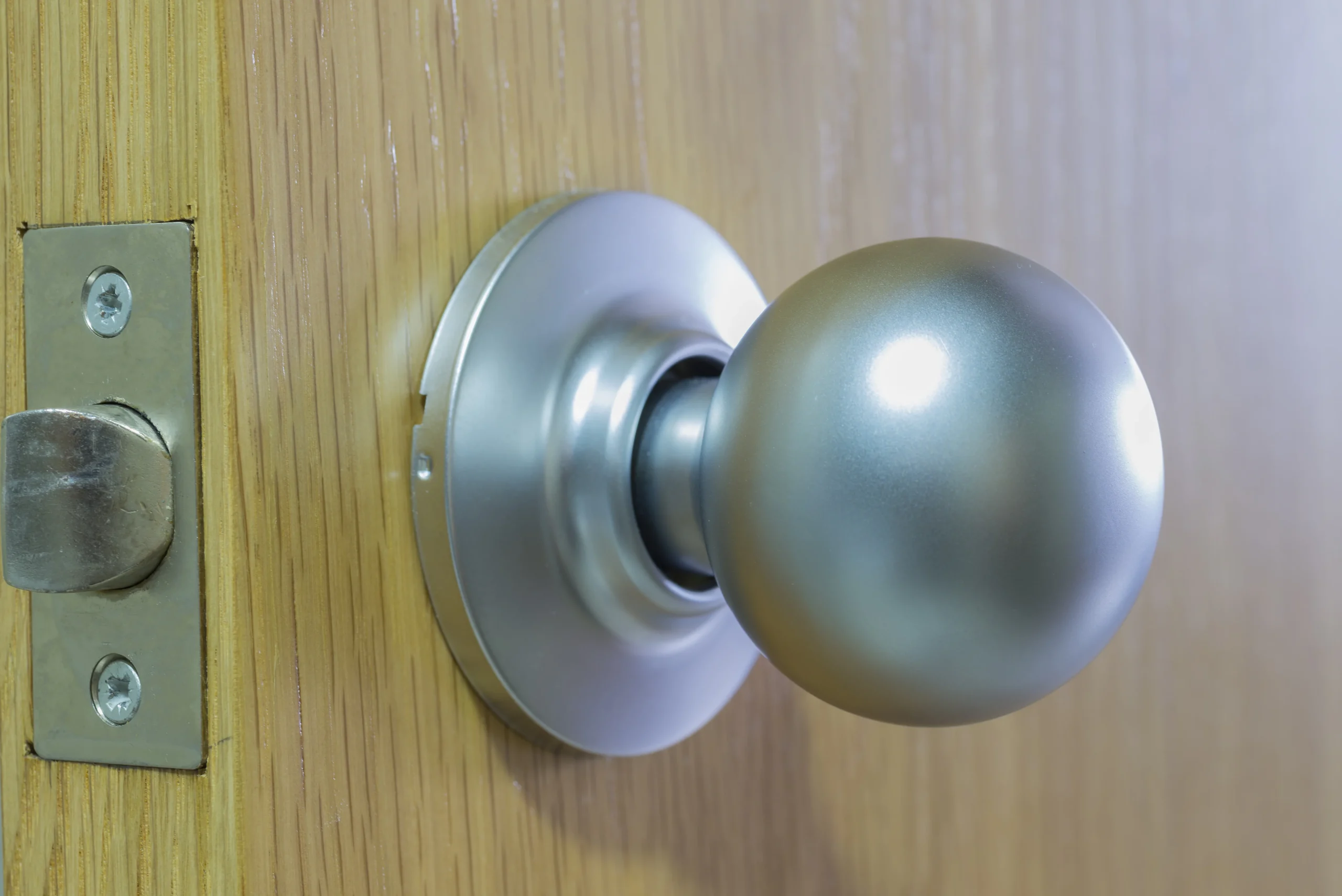
The actual installation involves removing your old hardware, checking the door’s alignment and bore size, and prepping anything that needs adjustment. If your door has a non-standard setup or needs a new strike plate mortise, that gets handled during the same visit. The new knob or lever goes in, gets tested to make sure the latch engages properly, and you get a written receipt before the technician leaves.
Most jobs finish in under an hour unless there’s structural work needed. You’re not waiting around all day, and you’re not dealing with return trips because something wasn’t measured right the first time.
Ready to get started?
You’re getting the full job—removal of old hardware, installation of new knobs or levers, strike plate alignment, and testing to make sure everything latches and locks correctly. If your door needs a new bore or the frame needs adjustment, that’s handled during the same visit.
We install keyed entrance knobs for exterior doors, passage knobs for interior rooms, and dummy knobs for closets. If you’re upgrading to electronic locks or smart deadbolts, we handle the programming and integration so the backup systems actually work when the batteries die.
Holmes has a mix of post-war housing stock and older builds, which means door hardware isn’t one-size-fits-all. A home built in the 1950s might have a 2-3/8″ backset instead of the modern 2-3/4″ standard. A Victorian-era door might be thicker than current hardware accommodates. We carry the tools and parts to adapt installations to what you actually have, not what the instructions assume you have.
You’re also getting OEM parts from manufacturers like Kwikset, Schlage, and Medeco—not the cheaper alternatives that wear out in a year. The goal is for you to not need a locksmith again until you’re ready for an upgrade, not because something failed.
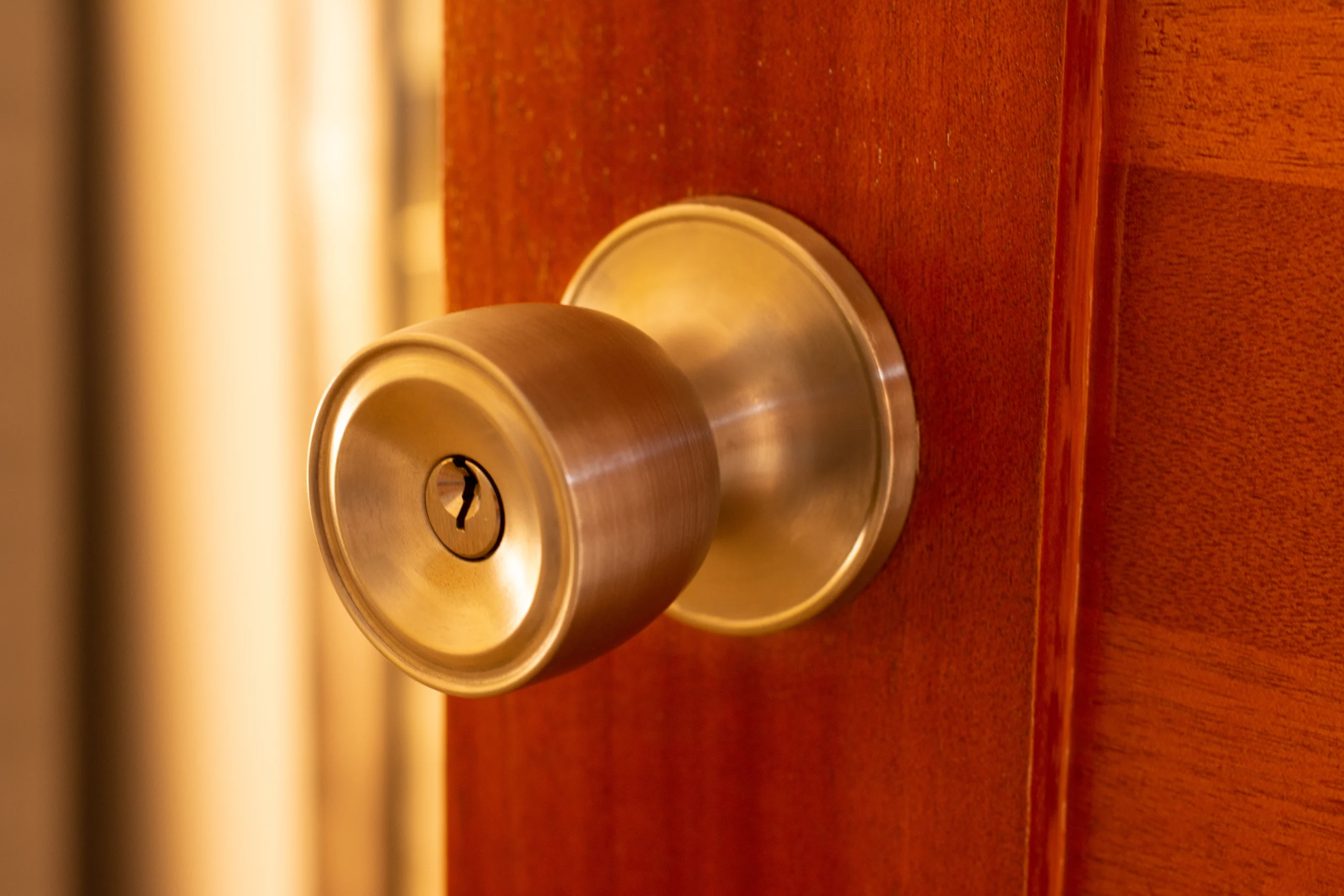
Most residential door knob installations run between $80 and $150 per knob, including labor and materials. That’s for a standard replacement where the existing bore and backset match the new hardware.
The price goes up if your door needs modifications—drilling a new bore for a different size knob, adjusting the strike plate mortise, or working with non-standard door thickness. Smart locks and high-security knobs also cost more because they require additional installation time and specialized tools.
We give you a written estimate before starting any work so you know exactly what you’re paying. No surprise fees, no upselling once we’re at your door. If your job is straightforward, you’ll pay on the lower end. If your 1940s door needs custom work, we’ll tell you that upfront.
You can install a door knob yourself if your door already has the correct bore size, the backset matches your new hardware, and you’re comfortable using a drill and chisel for minor adjustments. Most big-box stores sell installation kits with templates.
Where DIY falls apart is when the measurements are off. If you drill the bore too deep, too shallow, or slightly off-center, the latch won’t align with the strike plate. That means your door won’t close properly, the lock won’t engage, or the knob will sit loose in the door.
Older homes in Holmes often have non-standard setups that don’t match modern hardware specs. A professional residential locksmith has the tools to measure your existing setup, adapt the installation if needed, and get everything aligned correctly the first time. You’re not redrilling holes or buying a new door because a DIY job went sideways. For most people, the cost of professional installation is cheaper than fixing a mistake.
A door knob is the round handle you twist to open a door. A door lever is the flat handle you push down. Both do the same job—operating the latch mechanism—but levers are easier to use if you have your hands full or deal with arthritis.
Levers are also required by ADA accessibility standards in commercial buildings, which is why you see them in offices and public spaces. For residential use, it’s personal preference unless you’re aging in place or have mobility concerns.
The installation process is nearly identical. Both require a bore hole through the door and a latch mechanism that connects to a strike plate on the frame. The main difference is that levers put slightly more torque on the latch over time, so the screws need to be tightened properly during installation to prevent sagging. A loose lever will droop and stop engaging the latch correctly, which is one of the most common issues we fix on DIY installations.
A standard door knob replacement takes 20 to 30 minutes if the existing hardware matches the new product and the door is already properly aligned. You’re looking at removing a few screws, swapping the latch mechanism, and installing the new knob.
The timeline extends if your door needs prep work. Drilling a new bore for a larger knob might add 15 to 20 minutes. Adjusting a misaligned strike plate or mortising a deeper latch pocket can add another 10 to 15 minutes depending on the door material.
If you’re installing multiple knobs—say, you’re replacing all the interior door hardware in your home—each additional knob after the first goes faster because the technician is already set up with tools and parts. Most whole-home jobs finish in a few hours. We’re not there all day, and you’re not losing your schedule waiting around.
Yes. We install electronic locks, smart deadbolts, and keypad entry systems for homeowners who want keyless entry or remote access control. The installation process is similar to traditional door knob installation, but there’s additional work involved in programming the lock, syncing it with your phone or home automation system, and setting up backup access methods.
Smart locks need proper door alignment to work reliably. If your door sags or the strike plate isn’t positioned correctly, the electronic mechanism will struggle to engage and you’ll burn through batteries faster. We check the door’s fit and make adjustments during installation so the lock isn’t fighting against a misaligned frame.
We also walk you through the programming and show you how to add user codes, change settings, and troubleshoot common issues. A lot of smart lock problems aren’t the lock itself—they’re installation issues or user error that could’ve been avoided with proper setup. You’re getting the technical install and the functional walkthrough so the system actually works the way it’s supposed to.
We install Kwikset, Schlage, Medeco, and other major lock manufacturers. All OEM products, not aftermarket knockoffs. The hardware lasts longer, the warranties are valid, and you’re not calling us back next year because a cheap part failed.
If you already bought a door knob and need it installed, we can work with that as long as it’s compatible with your door. If you’re not sure what to buy, we’ll recommend options based on your security needs, budget, and door type. Exterior doors get keyed entrance knobs or deadbolts. Interior doors get passage knobs or privacy locks for bathrooms and bedrooms.
We stock common products in our mobile workshops, so if you need a standard replacement, we likely have it on hand. For specialty hardware—high-security locks, custom finishes, or smart locks—we can order it and schedule installation once it arrives. You’re not stuck with whatever we happen to carry, but you’re also not waiting weeks if you need a basic knob installed today.