
Hear from Our Customers
You stop jiggling the handle every time you walk through your front door. No more loose knobs that spin without catching. No more wondering if that old hardware is actually keeping anyone out.
When your door knobs are installed correctly, they work smoothly every single time. The latch catches on the first try. The lock engages without forcing it. You’re not calling someone back in three months because something’s already coming loose.
You also get real security. Professional door lever installation means the strike plate is anchored properly, the backset is measured correctly, and the whole mechanism sits flush in the door. That’s what stops a door from being kicked in or jimmied open with a credit card.
And if you’re selling soon, buyers notice. Solid, functioning door hardware signals that a home has been maintained. It’s a small detail that adds up when someone’s walking through deciding whether to make an offer on your Essington property.
We’re a fourth-generation locksmith company that’s been solving lock problems in Delaware County since the late 1800s. Tom McCausland and his daughter Chrissy run the largest locksmith operation in the Delaware Valley from our Prospect Park storefront, just minutes from Essington.
We’re not a van with a phone number. We’re a family business with over 140 years of locksmithing expertise, a physical shop you can visit, and manufacturer authorization from Kwikset, Medeco, and Schlage. That means we use OEM parts, not cheap knockoffs that fail in six months.
Essington’s housing stock runs from early 1900s bungalows to newer cape cods and brick rowhomes. We’ve worked on all of them. We know which doors need shimming, which frames are out of square, and how to install hardware that’ll last in homes that have settled over decades.
First, we talk through what you need. Are you replacing broken hardware, upgrading to keyed entry, or installing smart locks? We’ll ask about your door type and what’s currently installed so we know what to bring.
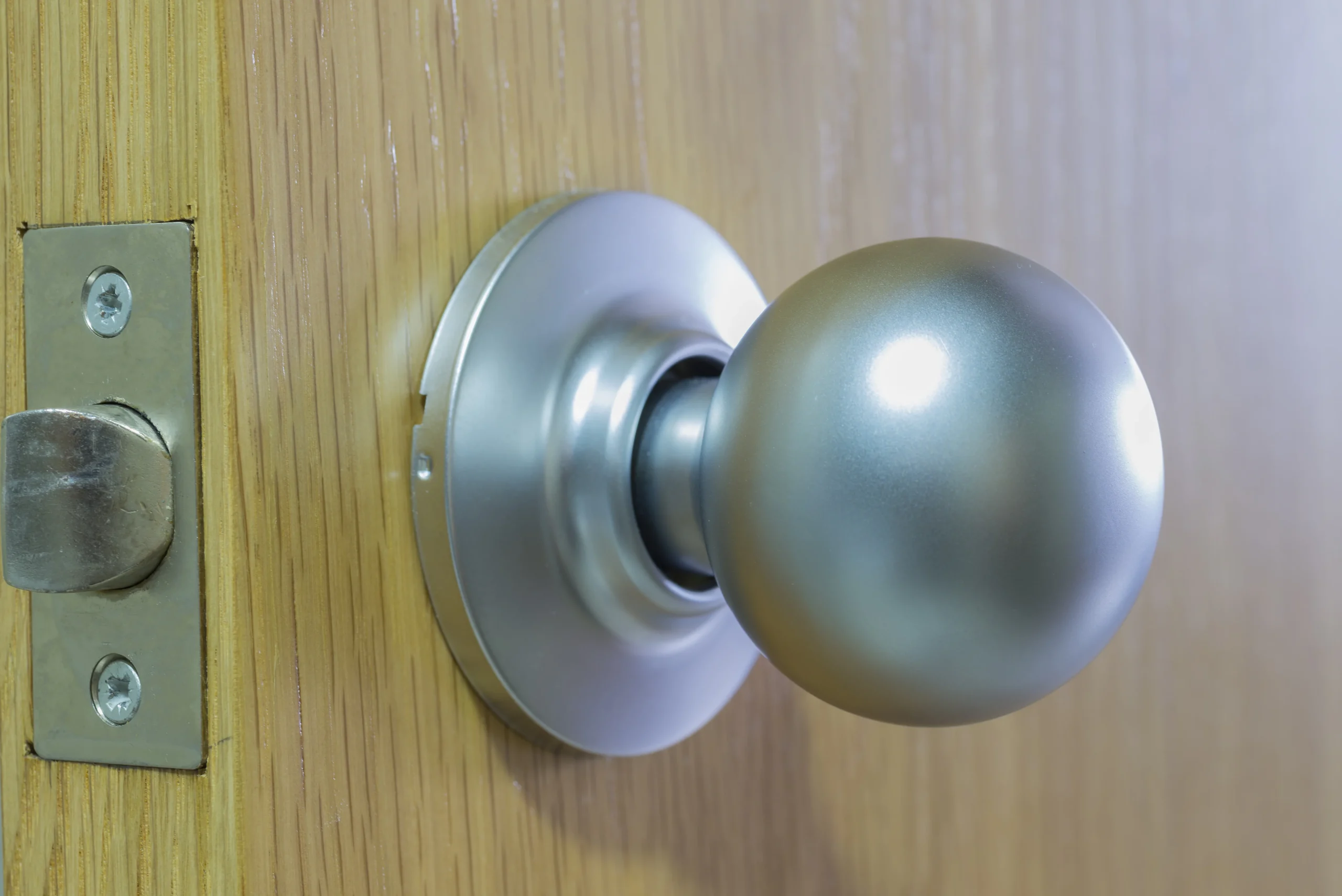
When we arrive, we assess the door and frame. We check if the existing holes are standard size or if we need to adapt. We measure the backset to make sure the new knob will align with your strike plate. If your door has shifted or the frame is out of square, we address that before installing anything.
Then we install the new hardware. We drill precisely if new holes are needed. We anchor the strike plate with long screws that go into the stud, not just the trim. We test the latch and deadbolt multiple times to confirm smooth operation. You shouldn’t have to slam your door to get it to close.
Before we leave, we make sure every knob turns smoothly, every lock engages without sticking, and you understand how to use any new features. If it’s a smart lock, we’ll walk you through programming. If it’s keyed entry, we’ll make sure you have the right number of keys.
The whole job typically takes 30 minutes to an hour per door, depending on complexity. You’re not waiting around all day, and you’re not left with a door that doesn’t quite work right.
Ready to get started?
You get a locksmith who shows up with the right tools and actually knows how to use them. We bring drill guides, hole saws, chisels, and strike plate jigs. Most DIY installations fail because people eyeball the measurements or use a regular drill bit that wanders.
We handle standard passage knobs for bedrooms and bathrooms, keyed entry knobs for exterior doors, privacy locks for bathrooms, and lever-style hardware that’s easier to use if you have arthritis or mobility issues. We also install smart locks and high-security deadbolts that integrate with your door knob.
For Essington homes specifically, we see a lot of older doors that need extra attention. Many of the rowhomes and bungalows here were built between 1900 and 1950, and those doors have settled. The frames aren’t always square anymore. We know how to shim and adjust so your new hardware doesn’t bind or fail to latch.
We also work on newer construction and the townhomes that have gone up in the last twenty years. Those usually have standard pre-drilled holes, but the quality of the original hardware is often garbage. Replacing builder-grade knobs with something solid makes a noticeable difference in how your door feels every time you use it.
Standard installation runs $95 to $135 per door for passage knobs. Keyed entry costs $110 to $155. Smart locks start at $185 because they take longer and require programming. If your door needs repairs or modifications, we’ll tell you upfront what that’ll cost.
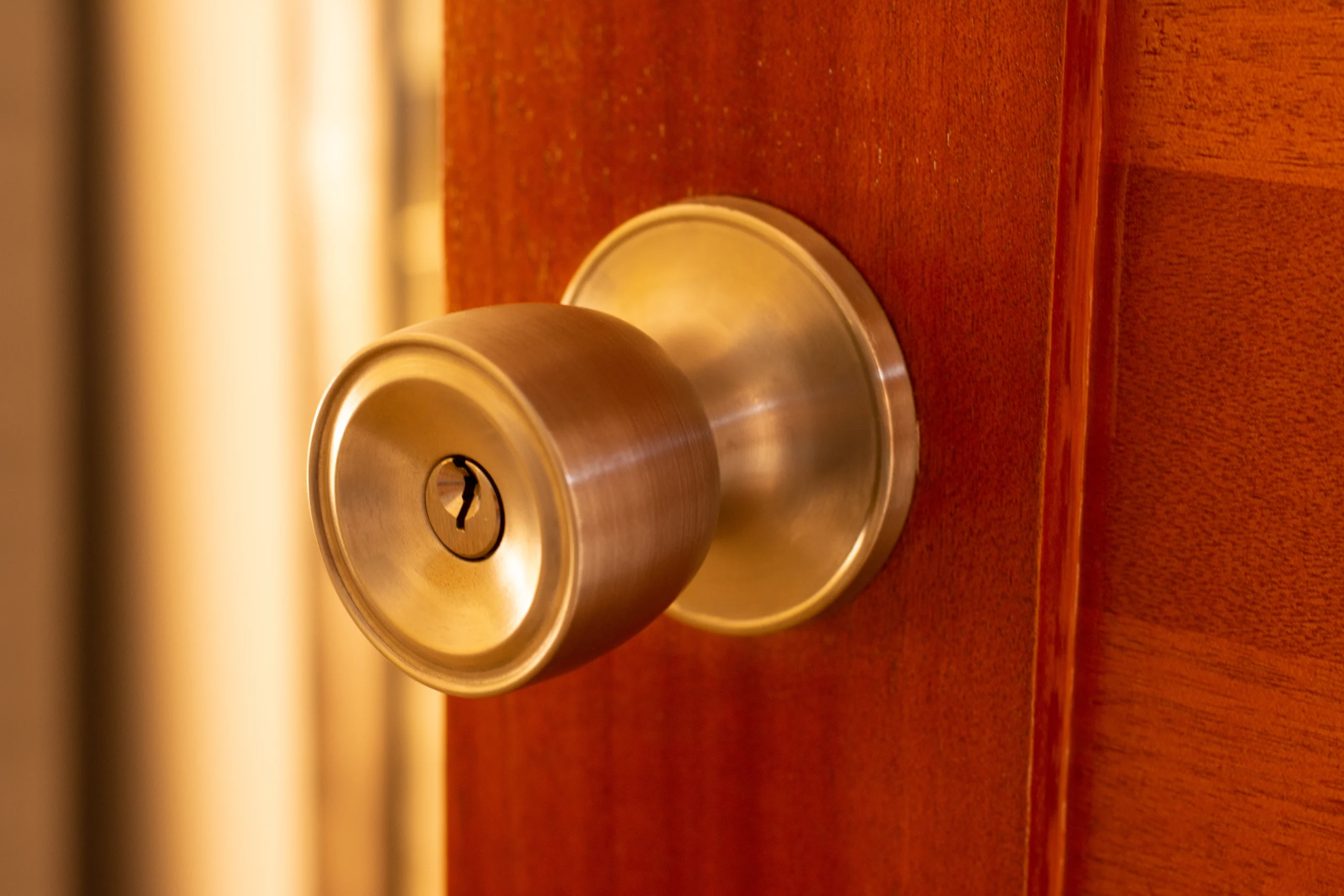
Most door knob installations take 30 minutes to an hour per door. That’s for a straightforward replacement where the existing holes are standard size and the door is in good shape.
If we’re drilling new holes because you’re switching from a different style of hardware, add another 20 to 30 minutes. If your door has settled and the frame needs adjustment so the latch actually catches, that’s extra time too. Older Essington homes sometimes need shimming or strike plate repositioning because the house has shifted over the decades.
Smart lock installation takes longer because there’s programming involved. You’re looking at 45 minutes to an hour and a half depending on the system and whether you want it integrated with your phone or home automation setup. We don’t rush through it. You need to understand how to lock and unlock your door before we leave.
Yes, but it depends on the door’s condition and what hardware you’re installing. If you’re replacing a knob with another knob of the same backset and bore size, there’s no new drilling required. We’re using the existing holes, and there’s zero risk of damage.
If you’re switching from a knob to a lever or installing a deadbolt where there wasn’t one before, we’ll need to drill. We use drill guides and proper bits to keep the holes clean and prevent splintering. On older wooden doors, we sometimes tape the area first to minimize tearout on the back side.
The real issue with old doors is that they’re often out of square or the wood has swollen and shrunk over the years. We check alignment before we install anything. If the door is binding or the latch won’t catch because the frame has shifted, we’ll adjust that first. Otherwise your new hardware won’t work right no matter how carefully we install it.
Passage knobs are for interior doors that don’t need locks. Bedrooms, hallways, closets. They turn and open the door, but there’s no locking mechanism. These are the simplest and cheapest to install.
Privacy knobs have a push-button lock on the inside and an emergency release hole on the outside. You see these on bathrooms and bedrooms. They’re not high-security, they’re just meant to give you privacy. If someone needs to get in, you can unlock them with a paperclip or the little tool that comes with the knob.
Keyed entry knobs have an actual lock with a key on the outside and a thumb turn on the inside. These go on exterior doors. They’re your first line of security, though most people pair them with a deadbolt. The installation is more involved because the lock cylinder has to be aligned correctly or the key won’t turn smoothly.
Yes. We install Kwikset, Schlage, and other major smart lock brands. These are keyless entry systems that you unlock with a code, your phone, or a key fob. Some integrate with Alexa, Google Home, or full home automation systems.
The installation is more complex than a standard door knob because there’s a battery pack, wiring for the keypad, and programming involved. We make sure the lock is positioned correctly so the deadbolt doesn’t bind when it extends. If your door isn’t hanging quite right, a smart lock will expose that problem immediately because the motor can’t force a misaligned bolt.
We also walk you through setup. You need to know how to add and delete user codes, how to check battery life, and what to do if the system locks you out. Most smart locks have a physical key backup, and we’ll make sure you have that key and know where it goes. The last thing you want is a dead battery at 11 p.m. with no way to get inside.
Standard passage door knob installation runs $95 to $135 per door. That includes labor and basic hardware. If you’ve already bought the knobs and just need installation, we charge $69 to $100 per door depending on complexity.
Keyed entry knobs for exterior doors cost $110 to $155 installed. Privacy knobs for bathrooms are usually in the same range as passage knobs. Lever-style handles cost about the same as knobs, but if you’re switching from a knob to a lever and we need to drill new holes, there’s an additional charge for that.
Smart locks start at $185 for installation because they take longer and require programming. High-security locks and commercial-grade hardware cost more because the parts are more expensive and the installation has tighter tolerances. If your door needs repairs, shimming, or strike plate relocation, we’ll quote that separately. We don’t surprise you with charges after the work is done.
If we installed it, we come back and fix it. A properly installed door knob should work smoothly for years. If it’s sticking, not latching, or coming loose within the first few weeks, that’s an installation issue and we’ll make it right.
Most problems happen when someone tries to DIY the installation and doesn’t get the measurements right. The backset is off, the strike plate isn’t aligned, or the screws aren’t anchored into solid wood. When we install hardware, we test it multiple times before we leave. You should be able to open and close that door a thousand times without any issues.
If something does go wrong down the road, it’s usually because the door itself has shifted or the hardware is wearing out. We’ll diagnose what’s actually causing the problem. Sometimes it’s a simple adjustment. Sometimes you need a new latch mechanism. We’ll tell you what needs to happen and what it’ll cost before we do any work.