
Hear from Our Customers
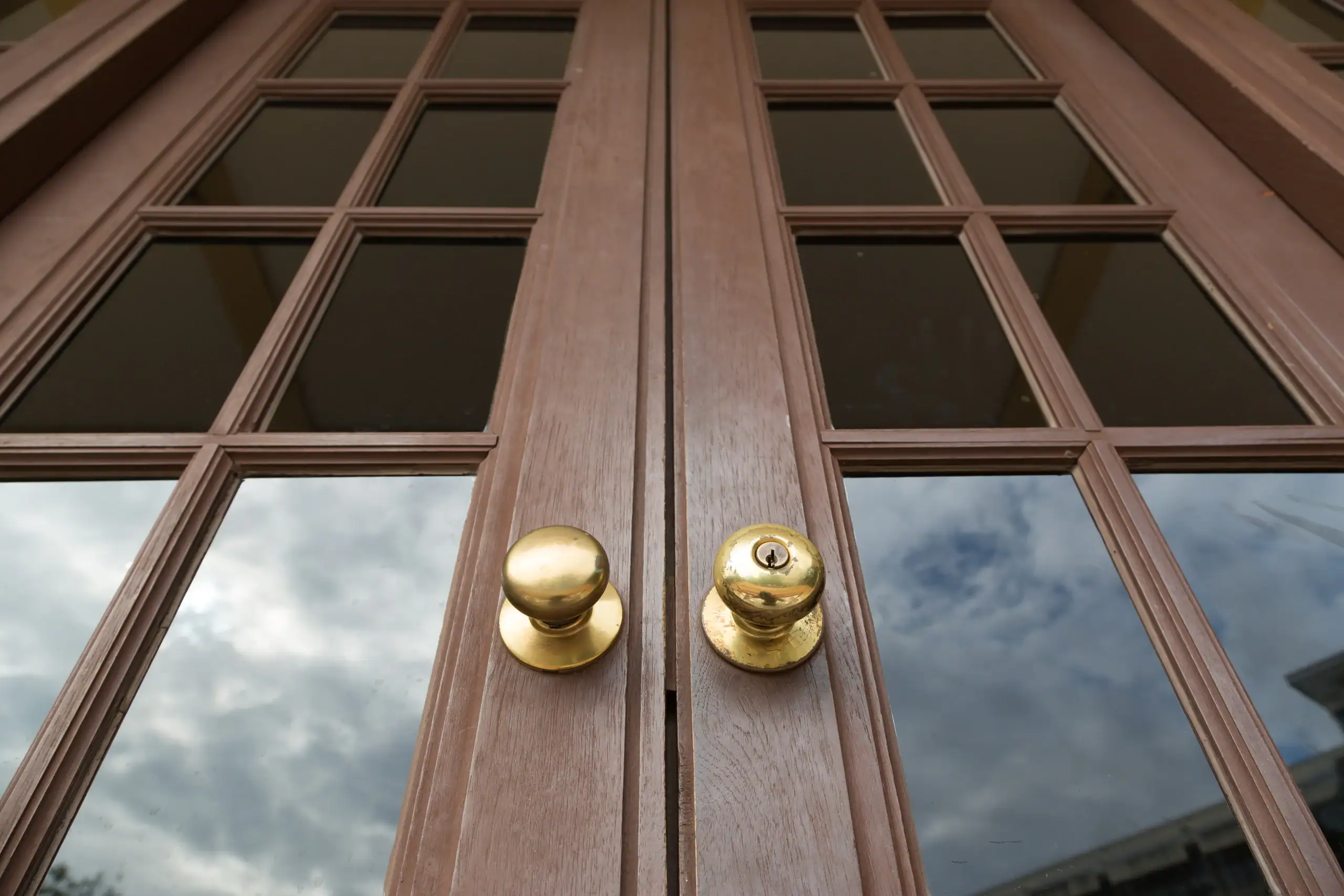
A loose door knob isn’t just annoying. It compromises your home security and signals to anyone paying attention that your hardware isn’t maintained.
When you call for door knob installation, you’re fixing a problem that affects your daily routine. Every time you grab that wobbly handle or struggle with a sticky lock, you’re reminded something’s not right. Professional installation means the hardware fits properly, the strike plate aligns, and the latch catches without forcing it.
You get manufacturer-quality parts installed by someone who’s done this thousands of times. The door closes smoothly. The lock engages completely. And you stop thinking about whether your entry points are actually secure.
That’s what proper installation does. It removes the friction from something you touch multiple times every day.
We’ve been serving Delaware County families since the late 1800s. Tom McCausland and his daughter Chrissy run the largest locksmith operation in the Delaware Valley, and they’re the fourth generation to do it.
That longevity matters when you’re trusting someone with your home security. You’re not getting a call center or a subcontractor who showed up in a van yesterday. You’re getting a team that’s been installing door hardware in Aldan homes for longer than most companies have existed.
Many of Aldan’s homes were built before 1949, which means door frames that aren’t always standard and hardware that needs proper fitting. Experience with older construction makes the difference between a quick job and one done correctly.
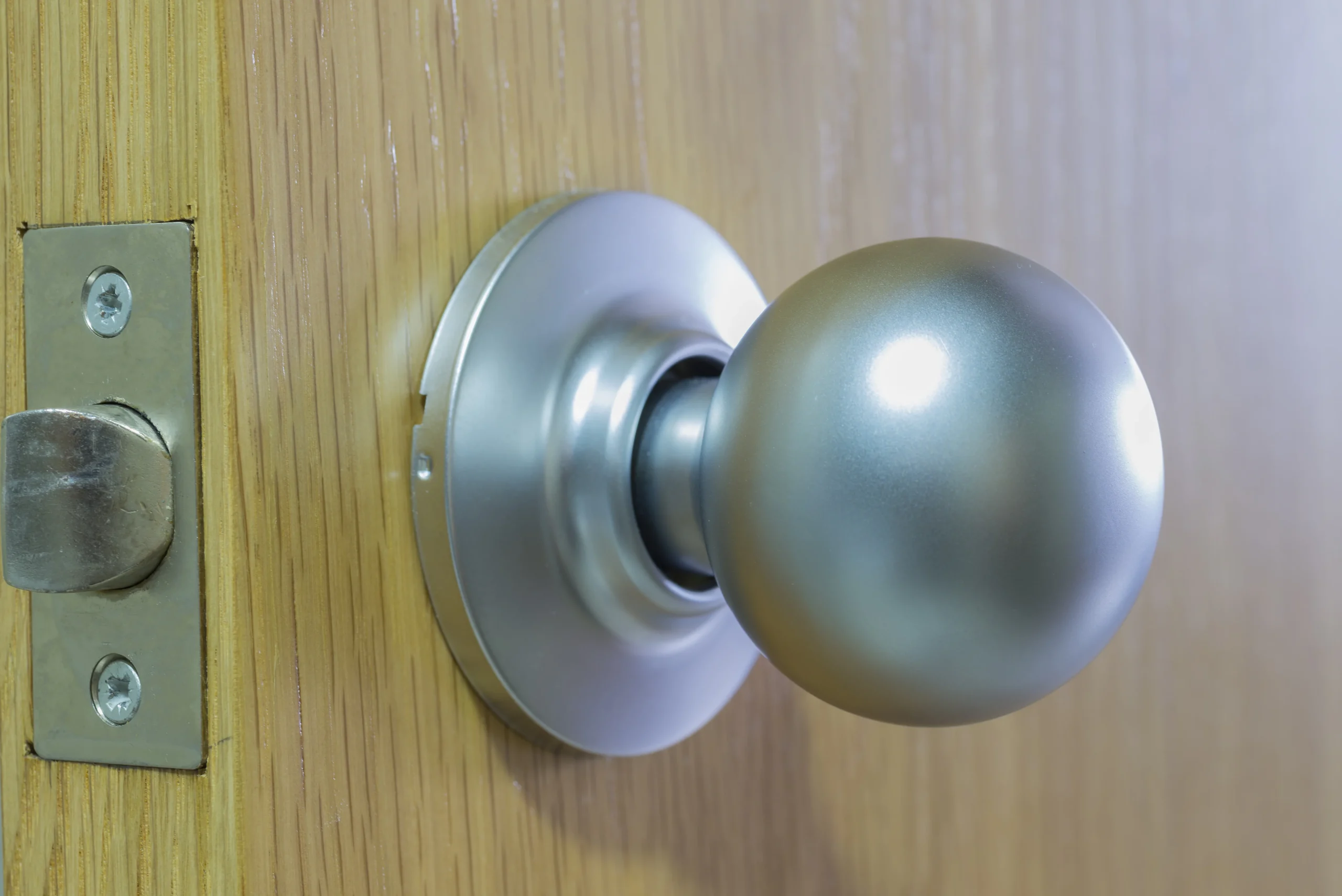
First, the existing hardware comes off. If your door knob is loose or malfunctioning, there’s usually a reason—stripped screws, misaligned holes, or worn-out components. We assess that before new hardware goes on.
Next comes fitting the new lockset. The boring (the hole in the door) needs to match the new hardware dimensions. Sometimes that means minor adjustments. The latch mechanism goes in, then the exterior and interior handles. Those long screws that connect everything need to find their holes properly, and in older homes, that’s not always straightforward.
The strike plate on the door frame gets positioned so the latch engages fully. If it’s off by even a few millimeters, your door won’t close right or the lock won’t catch. That alignment is what separates a professional installation from a frustrating DIY attempt.
Finally, everything gets tested. The door should close without resistance. The lock should engage smoothly. The handle should return to position without sticking. If any of that’s off, we make adjustments before the job’s considered done.
Ready to get started?
We carry Kwikset, Medeco, and Schlage—manufacturers that make hardware worth installing. These aren’t big-box special models that fail in six months. You’re getting the same commercial-grade components that last in high-traffic applications.
Door knob styles range from traditional round knobs to modern levers, passage sets for interior doors, and privacy locks for bathrooms and bedrooms. If you need keyed entry locks, we can rekey those to match your existing keys so you’re not carrying around extra weight.
For Aldan’s older homes, matching existing finishes matters. Oil-rubbed bronze, satin nickel, polished brass—whatever fits your home’s aesthetic, the hardware needs to function first and look right second. Both are possible when you’re working with quality manufacturers.
The installation includes proper alignment, secure mounting, and functional testing. You also get manufacturer-approved parts, which means if something does need adjustment down the line, it’s serviceable. Cheap hardware often can’t be repaired—it just gets replaced. That’s expensive over time.
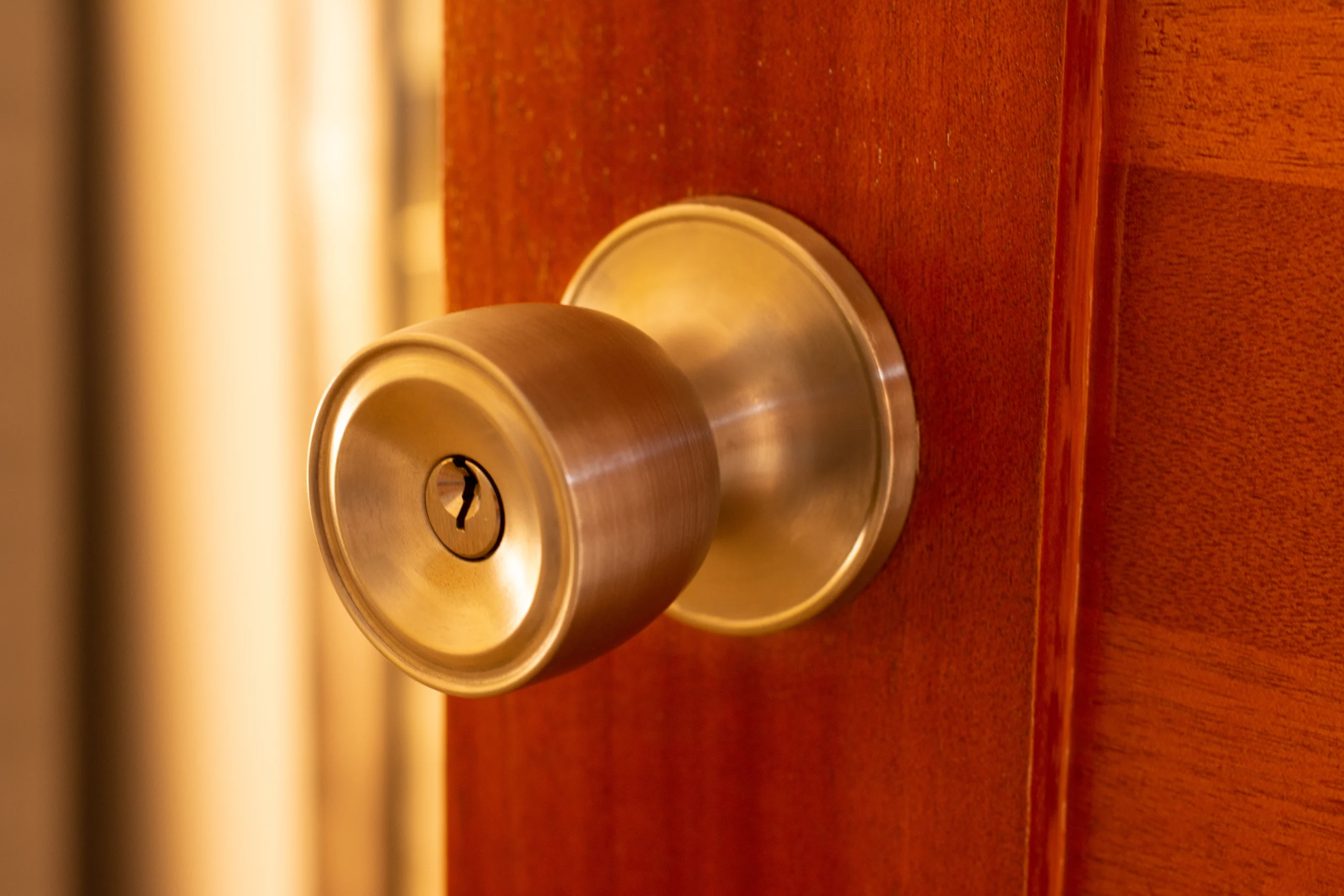
A straightforward door knob replacement on a standard door takes about 20 to 30 minutes. That’s when the existing holes line up with the new hardware and there aren’t complications with the door frame or previous installation issues.
Older homes in Aldan sometimes present challenges. If the previous hardware was installed incorrectly or the door has shifted over time, adjustments add time. Fixing a misaligned strike plate or dealing with stripped screw holes means extra work, but it’s necessary for the hardware to function properly.
If you’re upgrading from a basic passage set to a keyed lock, or if rekeying is involved, expect closer to 45 minutes per door. The goal isn’t speed—it’s making sure the hardware works correctly and your door closes and locks the way it should.
Yes, but it requires knowing what you’re doing. Older doors in Aldan homes often have solid wood construction, which is actually easier to work with than hollow-core modern doors. The challenge is working with existing holes that might not match current hardware standards.
If the boring is a different size, there are adapter plates and techniques to make modern locksets fit without drilling new holes or damaging the door. Sometimes the door edge needs minor adjustment for the latch plate, but that’s standard installation work, not damage.
The real risk comes from forcing hardware that doesn’t fit or over-tightening screws in old wood. That’s where experience matters. We know how much torque old wood can handle and when to use different fasteners. Your door shouldn’t show signs of the installation beyond the new hardware itself.
Door knobs require a twisting motion to operate. Levers use a downward push, which takes less grip strength and dexterity. For most people, levers are easier to use, especially when your hands are full or you have mobility considerations.
Building codes now require levers in commercial applications for accessibility reasons, but residential installations still allow knobs. If you’re thinking long-term, levers make sense. They’re easier for kids, older adults, and anyone dealing with arthritis or hand issues.
Functionally, both can be equally secure when properly installed with quality components. The locking mechanism matters more than the handle style. Levers do have a slight advantage in emergency situations since they’re easier to operate quickly, but for most residential applications, the choice comes down to personal preference and ease of use.
If you’re replacing multiple entry locks or want to avoid carrying separate keys, rekeying makes sense. We can rekey your new locksets to match your existing key during the same visit, so you’re not managing multiple keys for different doors.
Rekeying is especially useful when you’re replacing just one or two locks but want everything on the same key system. It’s less expensive than replacing all your locks at once, and it gives you the security upgrade you need without the complexity of new keys for every door.
The other consideration is key control. If you’ve had the same locks for years and don’t know who might have copies of your keys, new locks with new keys give you a fresh start. That’s particularly relevant if you’ve had contractors, previous owners, or former tenants with access. Sometimes a complete reset is worth it.
Usually it’s because the screws weren’t tightened properly during installation or the wrong screws were used. Those long through-bolts that connect both sides of the lockset need to be snug, but over-tightening can strip the threads or crack the interior mechanism.
Another common cause is misalignment between the latch and strike plate. If the door has to be forced closed, that pressure gets transferred to the screws holding the lockset. Over time, that works them loose. Proper alignment during installation prevents this entirely.
Cheap hardware also contributes to the problem. Low-quality locksets use thin metal and plastic components that don’t hold up to regular use. The mounting points wear out, and no amount of tightening fixes it. That’s why using manufacturer-quality parts matters—they’re designed to handle the stress of daily operation without degrading.
We install both traditional locksets and smart lock systems. Smart locks offer keyless entry through codes, smartphone apps, or biometric readers, which appeals to homeowners who want to eliminate physical keys or grant temporary access remotely.
The installation process for smart locks is more involved. They require battery compartments, often need specific door preparations, and the electronic components have to be positioned correctly for reliable operation. Some models integrate with home automation systems, which adds another layer of setup.
Traditional locksets remain popular because they’re straightforward, don’t require batteries or connectivity, and offer proven security without technology dependencies. There’s no wrong choice—it depends on your preferences and how you want to manage access to your home. Both options can be installed properly with quality components that last.