
Hear from Our Customers
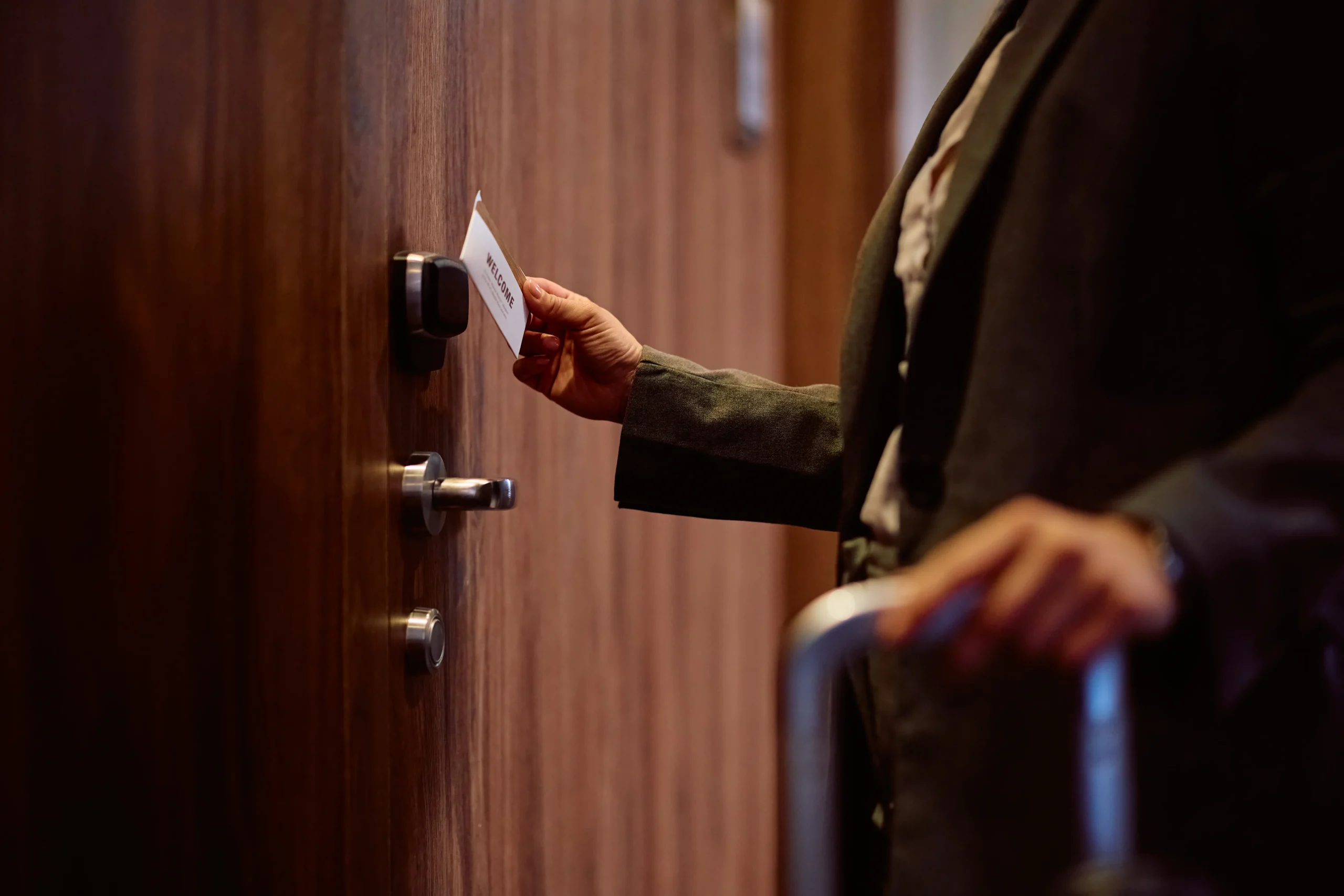
You’re not just locking doors anymore. You’re managing who comes in, when they leave, and what happens if someone doesn’t return a key card. That’s the reality of running a business in Sharon Hill, PA, where property crime isn’t theoretical.
With door access control systems, you get instant visibility. No more wondering if a former employee still has building access three weeks after they left. No more rekeying every lock because someone lost their keys. You grant access digitally, revoke it instantly, and track every entry in real time.
The difference shows up fast. Your insurance company notices. Your property manager stops calling about security gaps. Your employees feel safer walking in early or staying late. And you stop losing sleep over whether your building is actually secure or just appears to be.
We’re not new to Sharon Hill, PA or Delaware County. We’ve been here for over 140 years, operating as the largest locksmith company in the Delaware Valley. That’s four generations of the McCausland family learning what actually keeps businesses secure.
We’re not a van with a phone number. We run a physical storefront at 1101 Lincoln Ave in Prospect Park with real inventory, real technicians, and real accountability. When you call us about business access control systems, you’re talking to people who’ve installed hundreds of commercial systems across Delaware County and know exactly what works in buildings like yours.
We’re authorized dealers for Kwikset, Medeco, and Schlage. Our technicians carry proper licensing and full background checks. And we’re members of the American Locksmith Association of Pennsylvania, which means we follow standards that matter when you’re trusting someone with your building’s security.

We start with a free walk-through of your building. You show us which doors need control, who needs access, and what security gaps keep you up at night. We assess your current setup, measure door frames, check power sources, and identify any integration needs with existing security systems.
Then we design your system. Not a generic package, but a configuration based on your actual traffic patterns, employee count, and security requirements. We explain what hardware goes where, how you’ll manage access credentials, and what the total investment looks like. Everything’s transparent before we touch a single door.
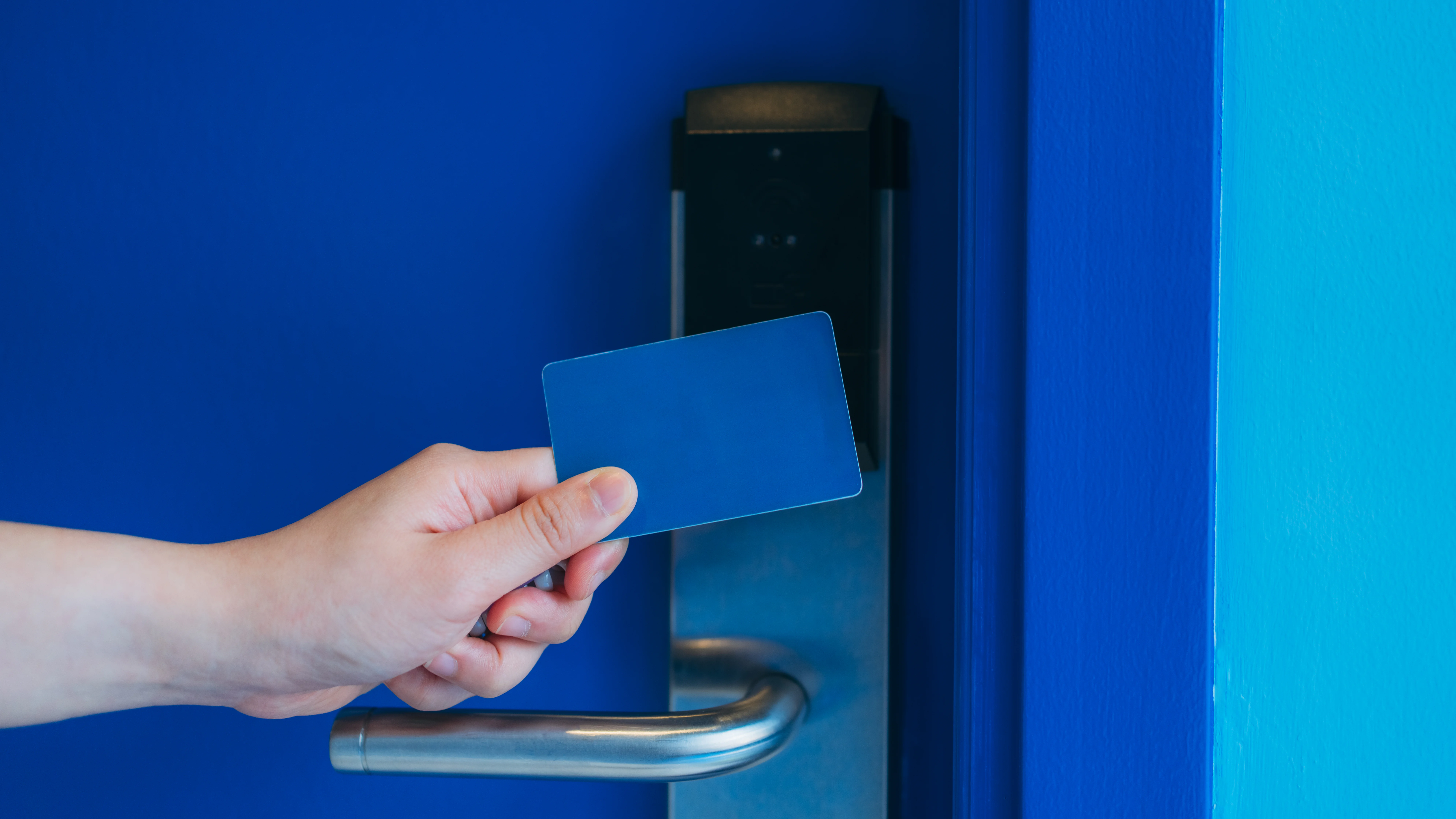
Installation typically takes one to three days depending on how many access points you’re securing. We mount card readers or keypads, install electronic strikes or magnetic locks, run wiring if needed, and connect everything to your control panel. Then we program your system, test every door, and train your team on adding users, running reports, and handling common situations.
You walk away with complete control. Add new employees in minutes. Lock someone out instantly if needed. Pull reports showing who entered when. And if something stops working, you call a local number and reach people who installed your system and know exactly how to fix it.
Ready to get started?

Your access control system installation includes hardware that’s built for commercial use. We’re talking about card readers, keypads, or biometric scanners that handle daily traffic without failing. Electronic locks that secure properly every single time. And control panels that manage everything from a central location or your phone.
You get software that makes sense. Adding a new employee takes two minutes. Removing access for someone who left happens instantly, even if you’re not on site. You can set time-based restrictions so contractors only have access during their scheduled hours. And you can pull detailed reports showing every entry and exit.
In Sharon Hill, PA, where crime rates sit in the 7th percentile for safety, this matters more than most business owners realize. The commercial buildings getting broken into aren’t the ones with modern door entry systems. They’re the ones still using keys that were copied six times and never tracked. Your system becomes a visible deterrent and a functional barrier that actually stops unauthorized access.
We also handle integration. If you’re adding access control to existing CCTV systems or alarm monitoring, we make sure everything communicates. You don’t end up with three separate systems that don’t talk to each other. You get one cohesive security setup that works together.
Installation costs run between $500 and $8,000 per door depending on the hardware you choose and your building’s existing infrastructure. Most commercial installations in Sharon Hill, PA average $2,500 to $4,300 per access point when you factor in quality card readers, electronic locks, and proper control software.
A basic single-door setup with a standalone keypad might hit the lower end of that range. A multi-door system with networked card readers, integration with existing security cameras, and cloud-based management software will cost more. The difference isn’t just features. It’s whether your system can scale as your business grows and whether you can manage everything from one interface.
We give you exact pricing after the free walk-through because your building matters. A ground-floor entrance with nearby power is simpler than a third-floor door that needs new wiring. We don’t guess. We measure, assess, and quote based on what your specific installation actually requires.
Yes, and that’s exactly what you should do. Integration means your access control system, CCTV cameras, and alarm monitoring all work together instead of operating as separate systems that don’t communicate.
When someone badges in, your cameras can automatically start recording that entrance. If someone tries to force a door that’s controlled by your access system, your alarm triggers immediately. You get one unified view of your building’s security instead of checking three different platforms to figure out what happened.
We work with most major security system brands and can assess compatibility during your walk-through. Some older systems need hardware upgrades to integrate properly. Others connect seamlessly with the right software configuration. We’ll tell you exactly what’s possible with your current setup and what it takes to make everything work together. The goal is one security system that’s smarter than the sum of its parts.
You deactivate the lost card immediately through your management software and issue a new one. The entire process takes about five minutes and doesn’t require rekeying anything or worrying about who might have found that card.
This is the fundamental advantage of business access control systems over traditional keys. A lost key means someone might have building access until you rekey that lock. A lost access card means you click “deactivate” and that card becomes useless plastic. Even if someone finds it, they can’t get in.
For forgotten codes, you can issue temporary credentials or reset their PIN remotely. If you’re using card-based access, you simply program a new card and hand it to them. There’s no locksmith visit, no emergency service call, and no security gap while you figure out what to do. You maintain complete control over who can enter your building at all times, regardless of what gets lost or forgotten.
Most commercial installations take one to three days depending on how many doors you’re securing and whether we need to run new wiring. A single-door installation with nearby power might finish in half a day. A ten-door system across multiple floors with integration requirements will take longer.
We work around your business hours when possible. If you can’t shut down during the day, we schedule installation during evenings or weekends. Some doors can stay functional during installation while we work on others. We plan the sequence to minimize disruption to your daily operations.
The timeline also depends on your building’s infrastructure. If you’ve got existing conduit and power near each door, installation moves faster. If we’re working with an older building that needs new wiring runs, that adds time. We give you a realistic schedule after the walk-through so you know exactly what to expect and can plan accordingly.
Yes, with proper backup power configuration. Most commercial access control systems include battery backup that keeps electronic locks functioning during outages. The backup duration depends on the battery capacity, but typical systems maintain security for 4 to 24 hours without main power.
You have options for how locks behave during power loss. Some businesses want doors to remain locked and require manual override with a key. Others prefer “fail-safe” configuration where doors unlock during power loss for emergency egress. The right choice depends on your security priorities and local fire codes.
We recommend backup power for the entire system, not just the locks. That means your card readers, control panel, and network connection stay active during outages. You maintain access logging, remote management, and full functionality even when the power’s out. For businesses where security can’t have gaps, we can also integrate with generator systems or uninterruptible power supplies that extend backup duration indefinitely.
Modern commercial access control systems offer full remote management through cloud-based software or network-connected control panels. You can add users, revoke access, unlock doors, and pull reports from your phone or computer whether you’re in the building or across the country.
This matters more than most business owners realize until they need it. An employee gets hired and starts tomorrow? Add their credentials tonight from home. Someone leaves unexpectedly? Revoke their access immediately without driving to the office. A contractor needs building access for an emergency repair at 9 PM? Unlock the specific door they need remotely and lock it again when they leave.
Remote management also means you can monitor your building in real time. Get alerts when specific doors open outside business hours. Check logs to see who’s currently in the building. Grant temporary access to delivery drivers or maintenance workers without creating permanent credentials. The system works for you instead of requiring you to be physically present every time something needs to change.