
Hear from Our Customers
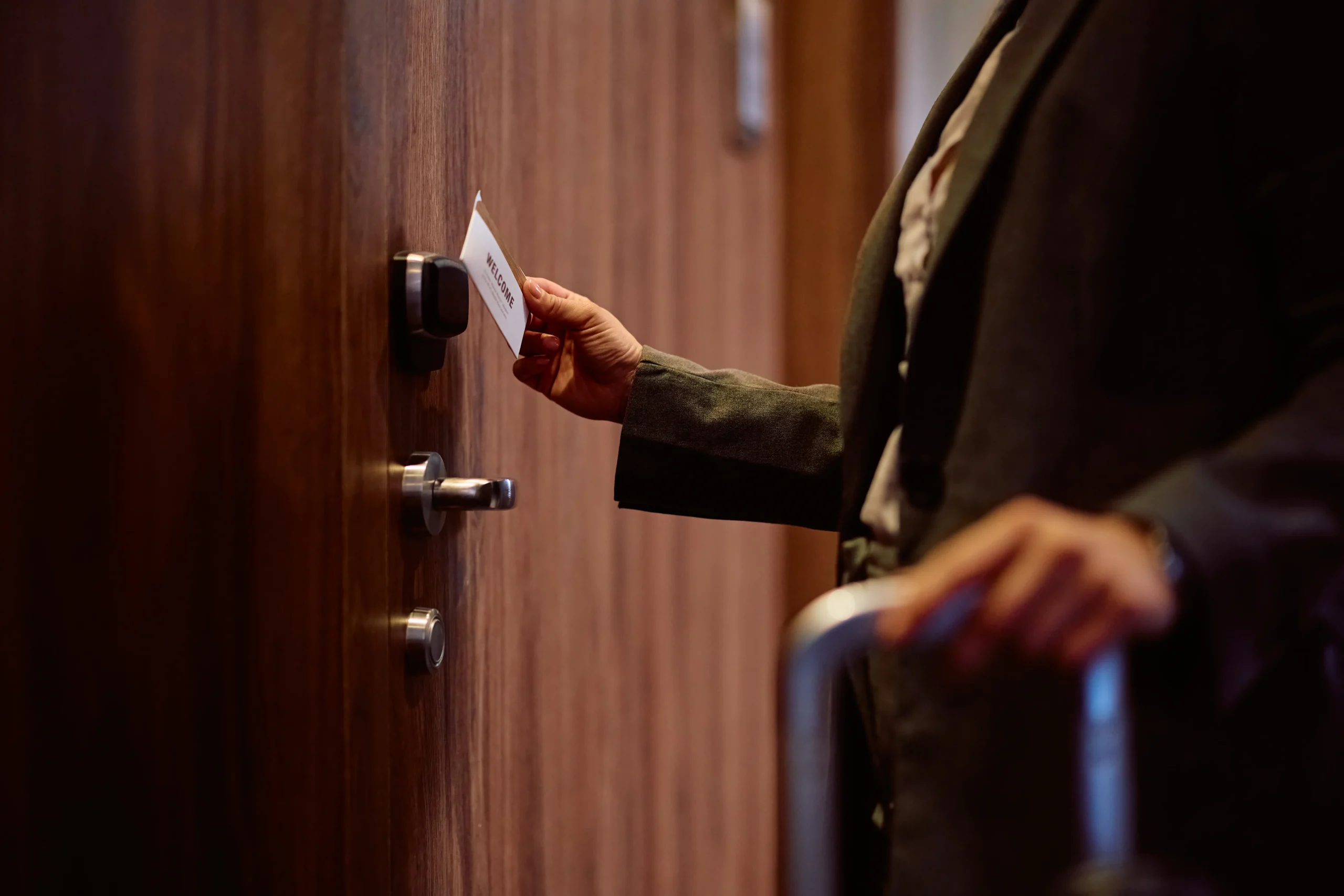
You’re managing a business, not a security desk. Keys get copied. Former employees forget to return them. Contractors show up at odd hours. You’re left wondering who actually has access and when they used it.
A proper access control system fixes that. You see who entered, when, and through which door. You can lock someone out in seconds from your phone. No more rekeying locks every time someone leaves or loses a key.
This isn’t about adding complexity. It’s about getting your time back and knowing your property is actually secure. Whether you’re running one location in Secane or managing multiple buildings across Delaware County, you control access without being physically present. That’s the difference between hoping your building is secure and knowing it is.
We’ve been securing properties in Delaware County since the late 1800s. We’re now the largest locksmith operation in the Delaware Valley, run by fourth-generation locksmith Tom McCausland and his daughter Chrissy from our Prospect Park storefront.
We’re not a national chain that showed up last year. We’ve watched Secane grow, seen how businesses operate here, and understand what local property owners actually need. When crime happens every 40 minutes in Delaware County, you want someone who responds in 20-30 minutes—not someone routing your call to a call center three states away.
We’re authorized by Kwikset, Medeco, and Schlage. We use genuine manufacturer parts. And we’re members of the American Locksmith Association of Pennsylvania, which means we’ve passed background checks and maintain proper licensing. You’re not getting a guy with a van. You’re getting a team that’s been doing this longer than most companies have existed.

First, we walk your property. Not a salesperson—an actual technician who installs these systems. We look at your doors, your layout, how people move through your building. We identify where you need readers, where cameras make sense, and what kind of system matches how you actually operate.
Then we give you options. Card readers, keypads, biometric scanners, mobile credentials—whatever fits your situation and budget. We explain what each option does and what it costs. No upselling. No pressure. Just clear information so you can decide.
Once you’re ready, we schedule installation around your business hours. We mount the hardware, run the wiring, program the system, and test every entry point. Before we leave, we show you how to add users, pull reports, and lock someone out if you need to. You’re not figuring this out on your own after we’re gone.
After installation, we’re still here. System acting up? Call us. Need to add doors as you expand? We handle it. We’re local, we’re licensed, and we’ve been doing this since your competitors were handing out brass keys.
Ready to get started?
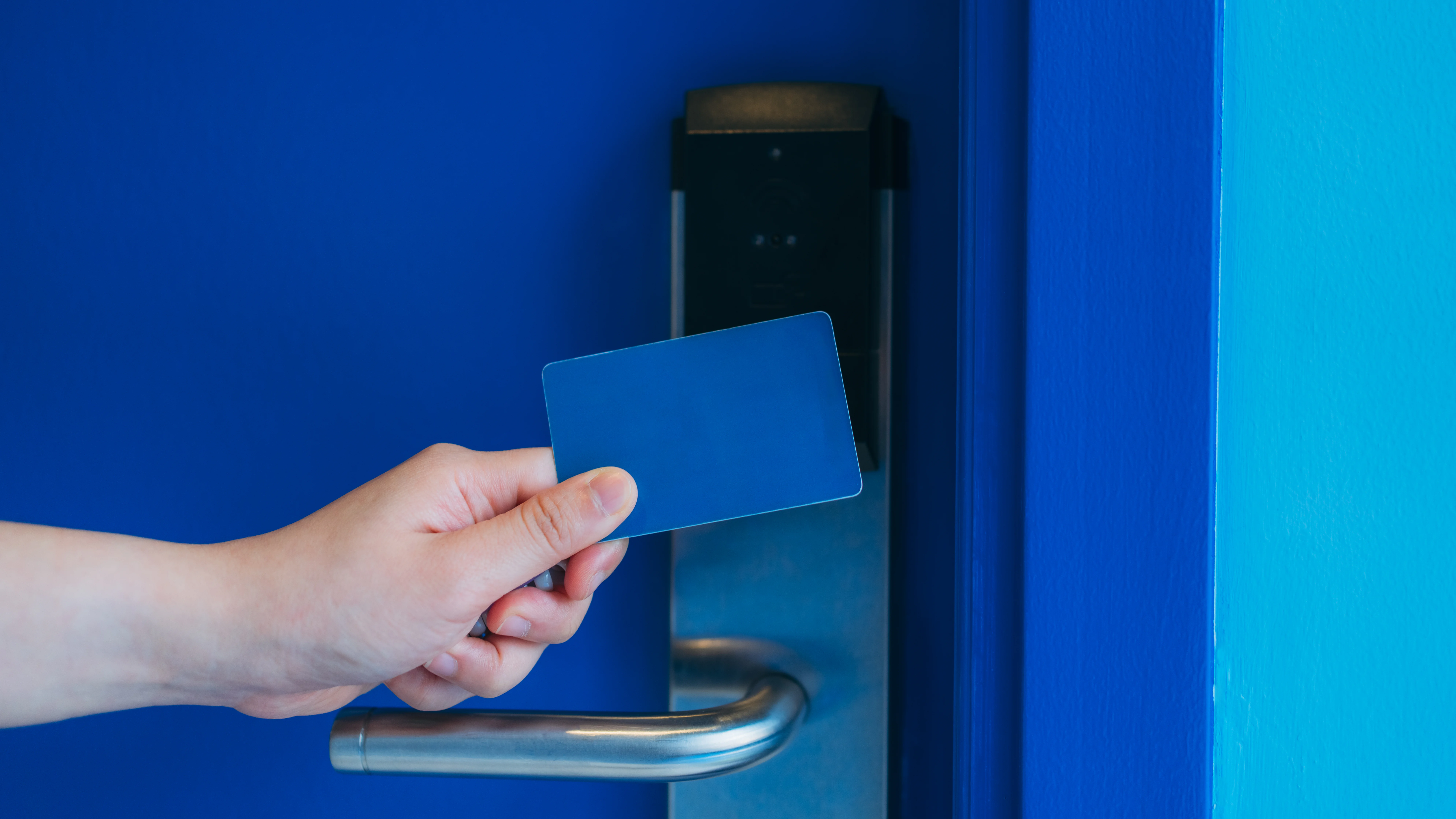

You get door access control systems that work with your existing locks or replace them entirely—your choice. We install card readers, keypad entry systems, and biometric scanners depending on your security level. Every system includes software that logs entries, tracks patterns, and lets you manage everything from one dashboard.
For Secane businesses, this matters more than you might think. Organized burglary rings have been hitting Delaware County hard, especially targeting commercial properties in our area. A solid access control system doesn’t just lock doors—it creates a digital record that helps law enforcement and insurance companies when something goes wrong.
We also integrate with your existing security setup. Cameras, alarm systems, intercoms—we make sure everything talks to each other instead of creating five different apps you’ll never check. And if you’re managing multiple locations across Delaware County or into Philadelphia, you control all of them from the same platform.
You’re not buying a product. You’re buying a system that adapts when you hire someone, fire someone, or open another location. That’s the difference between a building access control system that works and one that becomes a headache six months in.
Most installations take one to three days depending on how many doors you’re securing and whether we’re working with existing infrastructure or starting fresh. A small office with two or three entry points? We’re usually done in a day. Larger buildings with multiple floors, server rooms, and restricted areas take longer because we’re running more wiring and programming more access levels.
We schedule around your business hours whenever possible. If you can’t afford downtime, we work evenings or weekends. The goal is getting your system operational without disrupting your daily operations.
The timeline also depends on what you’re replacing. Swapping out an old system is faster than installing one for the first time. Either way, we give you a realistic schedule upfront—not a best-case scenario that falls apart once we start working.
Yes. Most modern commercial access control systems include cloud-based management, which means you control everything from your phone or laptop no matter where you are. Someone needs access at 6 AM on Saturday? You can unlock the door from home. Former employee didn’t return their credentials? You can deactivate them in seconds.
You’ll see real-time alerts when someone enters, and you can pull reports showing who accessed which doors and when. This is especially useful for property managers in Secane overseeing multiple buildings or business owners who travel frequently but still need to monitor their facilities.
The system we install depends on your needs. Some clients want full remote control. Others prefer on-site management with limited remote access. We set it up based on how you actually operate, not what sounds impressive in a brochure.
Good systems have battery backup that keeps doors locked and credentials active even when power goes out. The readers stay functional, and the system logs entries locally until power returns. Once it’s back online, everything syncs automatically so you don’t lose any data.
If internet goes down, most systems continue operating normally because the access decisions happen at the door level, not in the cloud. The controller at each door already knows who’s authorized. You just won’t be able to make changes remotely until connectivity returns.
This is why we use commercial-grade equipment with genuine manufacturer parts. Cheap systems fail during outages, which is exactly when you need security most. We install systems that keep working when things go wrong, not ones that lock you out of your own building because Wi-Fi dropped.
It depends on how many doors you’re securing, what type of credentials you want, and whether you need integration with existing security systems. A basic setup for a small office with two or three doors typically starts around a few thousand dollars. Larger installations with biometric readers, mobile credentials, and multiple buildings cost more because there’s more hardware and programming involved.
We give you a clear quote after walking your property. No surprise fees. No upselling you on features you don’t need. We explain what each component costs and why it matters so you can make an informed decision.
Keep in mind you’re not just paying for hardware. You’re paying for proper installation, genuine parts, and a system that won’t fail when you need it most. Cheap installations create expensive problems. We do it right the first time, which saves you money and frustration down the road.
Yes, and that’s one of the biggest advantages of upgrading to a modern system. We integrate door access control systems with your cameras so you can see who’s entering in real time. If someone uses a credential at 2 AM, you get an alert and can pull up the camera feed immediately.
We also connect access control to alarm systems. If a door is forced open or propped open too long, the alarm triggers and you get notified. This creates layers of security instead of separate systems that don’t communicate.
Integration depends on what equipment you already have. Most commercial-grade systems work together, but we verify compatibility before installation. If your current setup won’t integrate, we explain your options—whether that’s upgrading components or replacing systems entirely. The goal is making everything work together so you’re not juggling multiple apps and dashboards just to monitor your building.
No. Scalable access control systems let you add doors, users, and locations without ripping everything out and starting over. We install systems designed to grow with your business, whether you’re adding an employee next month or opening a second location next year.
Adding a door means installing another reader and controller, then programming it into your existing system. It’s straightforward and doesn’t disrupt the doors you’re already securing. This is especially important for growing businesses in Secane and Delaware County that can’t afford to rebuild their security infrastructure every time they expand.
The key is choosing the right system upfront. Some cheaper options lock you into fixed configurations that become expensive to modify. We install systems with expansion in mind so you’re not stuck replacing everything when your needs change. That’s the difference between planning for growth and scrambling to catch up later.