
Hear from Our Customers
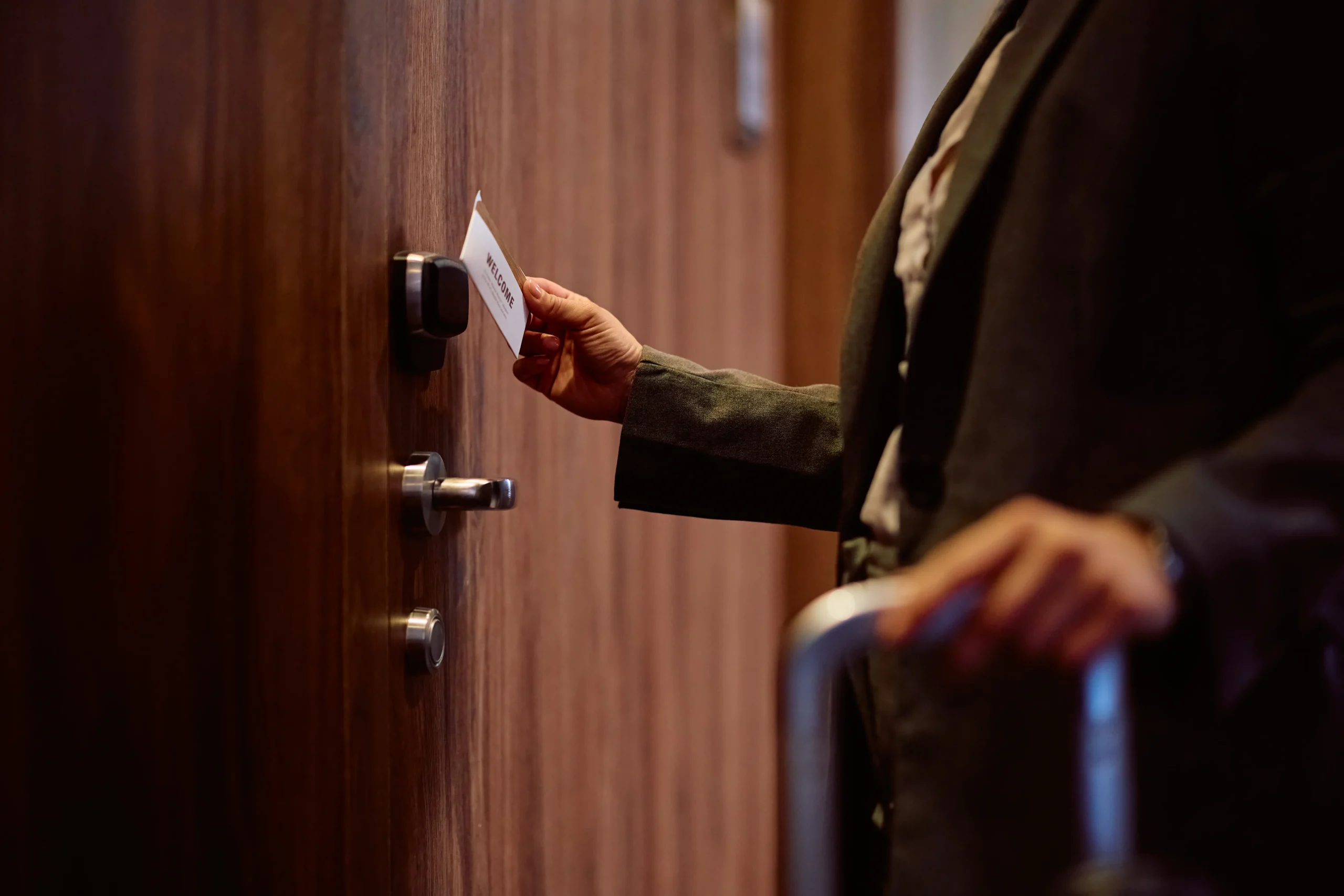
Your current setup probably wastes more time than it saves. Someone leaves, you’re reprinting badges or rekeying locks. A contractor needs temporary access, you’re coordinating handoffs. A door gets propped open because your reader’s too slow, and suddenly you’ve got a blind spot.
Modern access control systems handle all of that automatically. Revoke credentials instantly from your phone. Issue temporary passes that expire on their own. Get alerts when doors stay open too long. You’re not babysitting your security anymore—you’re running your business.
The difference shows up fast. Most businesses see about 40% fewer tailgating incidents once they switch to touchless systems. Employees stop fighting with slow card readers, so they actually use them. And when you need to add new doors or users, it takes minutes instead of service calls.
We’ve been handling security in Delaware County since the late 1800s. We’re now on our fourth generation—Tom and his daughter Chrissy run the largest locksmith operation in the Delaware Valley from our Prospect Park storefront.
That longevity matters because access control isn’t just about installing hardware. It’s about understanding how businesses actually operate in this area, what fails during our winters, and what holds up long-term. We’ve seen every system, fixed every mistake, and we know what works in Primos.
You’re working with people who’ve earned manufacturer authorization from Kwikset, Medeco, and Schlage. We use OEM parts, not knockoffs. And when you call with an emergency, we’re typically on-site within 20 to 30 minutes across Delaware County.

We start with a site survey at your location in Primos. This isn’t a sales pitch—it’s a technical walkthrough where we map your entry points, assess your current infrastructure, and identify any integration needs with existing CCTV or alarm systems.
From there, we design a system that fits your actual layout and workflow. If you’ve got a mix of employee areas and public spaces, we’ll zone them differently. If you need mobile credentials for a remote team, we’ll configure cloud-based management. The goal is a system that matches how you operate, not the other way around.
Installation happens on your schedule, usually during off-hours if that works better. We mount readers, run wiring, integrate with your network, and program all credentials. Then we walk your team through the management interface—how to add users, pull reports, adjust permissions, all of it.
After launch, you’ve got direct access to us. System acting weird? Door not responding? We’re local, we’re fast, and we’ve likely seen the issue before.
Ready to get started?
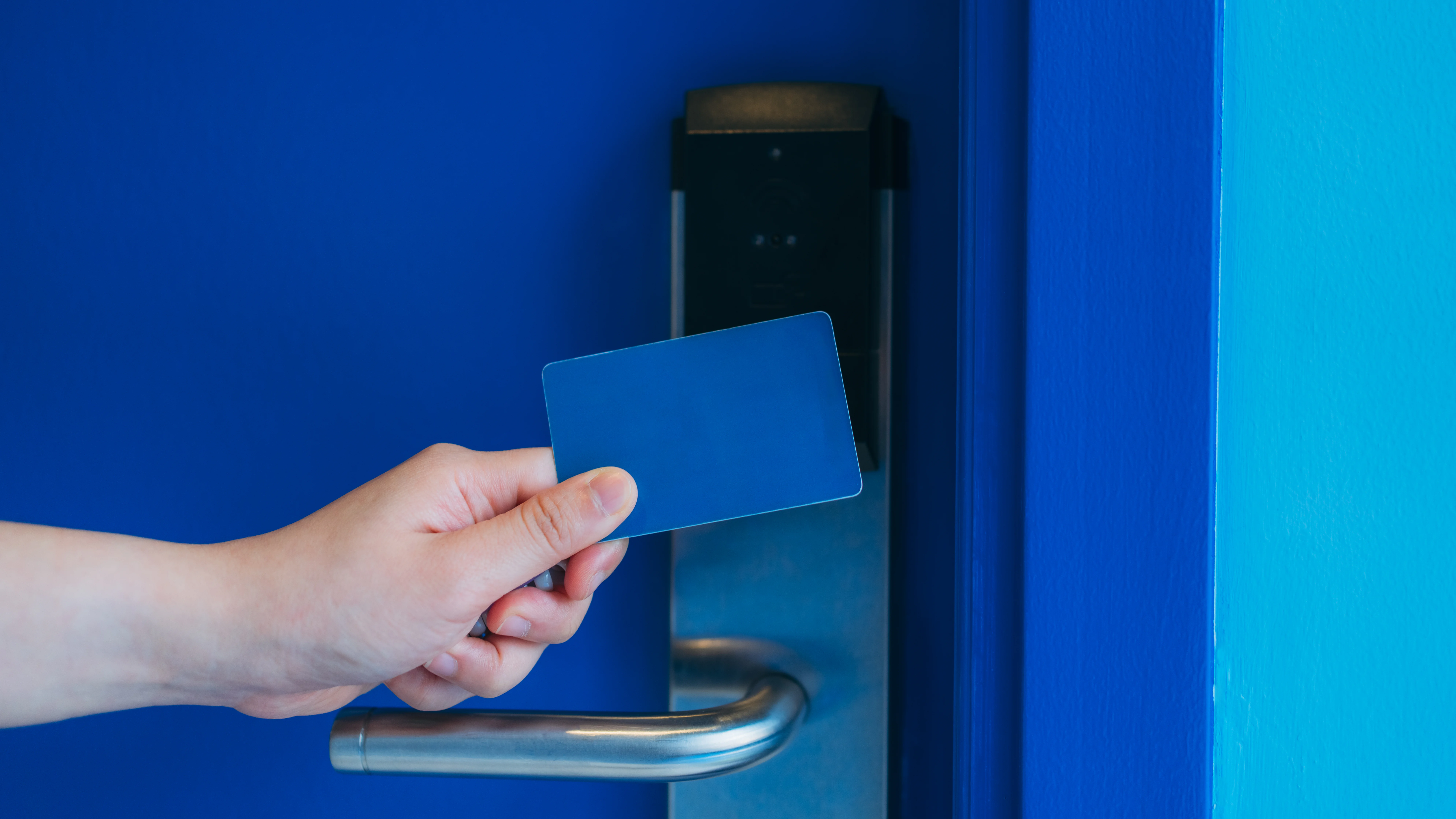

You get hardware that’s built to last—commercial-grade readers, controllers, and strikes that handle daily use without failing. We install touchless options if you want them, traditional card readers if you don’t, and mobile credential systems that let employees use their phones.
The software side is just as important. Cloud-based management means you can control everything from anywhere, scale up without hardware upgrades, and avoid the maintenance headaches of on-premises servers. You’ll get real-time alerts, detailed access logs, and the ability to revoke credentials instantly if someone leaves.
In Primos and across Delaware County, security concerns run higher than the national average—violent crime rates here are 27% above typical levels. That makes professional access control less of a luxury and more of a necessity. Businesses here need systems that actually prevent unauthorized entry, not just log it after the fact.
We also integrate with your existing security setup. If you’ve already got cameras or an alarm system, we’ll make sure everything talks to each other. One interface, one point of contact, no finger-pointing between vendors when something needs attention.
It depends on how many doors you’re securing and what features you need. A basic two-door system with card readers might run a few thousand dollars. A larger setup with touchless entry, mobile credentials, and cloud management across ten doors could be significantly more.
What changes the price is complexity, not just door count. If you need integration with existing CCTV or alarm systems, that adds time. If your building requires extensive wiring runs or network upgrades, that affects cost. If you want advanced features like scheduled access or multi-site management, the software licensing changes.
We give you a firm quote after the site survey. No ballpark estimates that balloon later. You’ll know exactly what the system costs, what’s included, and what ongoing expenses look like before we start work.
You can absolutely manage it yourself. That’s the whole point of modern cloud-based systems—they’re designed for business owners and office managers, not IT specialists.
Adding a new employee takes about 30 seconds. You enter their name, assign their access level, and either hand them a credential or send a mobile pass to their phone. Revoking access is even faster. Someone leaves? You delete them from the system and their credentials stop working immediately.
We train you on the management interface during installation. You’ll learn how to pull access reports, set up temporary passes for contractors, adjust door schedules, and troubleshoot basic issues. If something breaks or you need to expand the system later, that’s when you call us. But day-to-day management? That’s yours, and it’s easier than you think.
Most commercial access control systems have offline functionality built in. The credentials and permissions are stored locally on the door controllers, not just in the cloud. So if your internet drops, your doors keep working exactly as they should.
What you lose during an outage is remote management and real-time alerts. You won’t be able to add new users or pull live reports until connectivity returns. But employees can still get in, and the system still logs all activity locally—it just syncs to the cloud once you’re back online.
If a controller itself fails, that’s different. The affected door might default to locked or unlocked depending on how it’s configured. We typically set critical entry points to fail secure (stay locked) and emergency exits to fail safe (allow exit). When you call us with a hardware failure, we’re usually on-site within 20 to 30 minutes in the Primos area to get you back up.
For a typical small business with three to five doors, installation usually takes one to two days. Larger buildings with more complex setups might take a week, especially if we’re integrating with existing security systems or running new network infrastructure.
The timeline depends on your building. Older construction sometimes means more time fishing wires through walls. Buildings with drop ceilings and accessible conduit go faster. If you need minimal disruption, we can work evenings or weekends—it just extends the calendar time.
After the physical installation, there’s configuration and testing. We program all the credentials, set up access schedules, test every reader and door, and make sure the software’s talking to everything correctly. Then we train your team. We don’t leave until you’re comfortable managing the system and everything’s working exactly right.
In most cases, yes. We can retrofit access control onto existing doors without replacing the whole lockset. We add an electric strike or magnetic lock, mount a reader on the wall, and integrate it with your current hardware.
There are exceptions. Really old locks or doors in poor condition might need upgrades for security reasons. Glass doors sometimes need specific mounting solutions. High-security applications might require complete lock replacement to meet insurance or compliance standards.
That’s why we do the site survey first. We assess what you’ve got, identify any compatibility issues, and give you options. Sometimes the most cost-effective approach is replacing a few problem doors and retrofitting the rest. You’ll know the full scope before we start, and we’ll explain exactly why we’re recommending what we recommend.
Absolutely. Mobile credentials are one of the most popular features we install now. Your employees download an app, and their phone becomes their access credential. They tap or wave it near the reader just like a card, or in some cases, the door unlocks automatically as they approach.
Mobile credentials solve a lot of problems. You can’t forget your phone the way you forget a badge. If someone loses their phone, you revoke their access instantly—no waiting for them to return a card. Issuing new credentials is instant, which is perfect for businesses with high turnover or frequent visitors.
The system works through Bluetooth or NFC, so it doesn’t drain battery the way you might expect. And you can still use traditional cards or fobs for employees who prefer them. Most businesses we work with in Primos end up with a hybrid approach—mobile credentials for most staff, physical cards for contractors or visitors.