
Hear from Our Customers
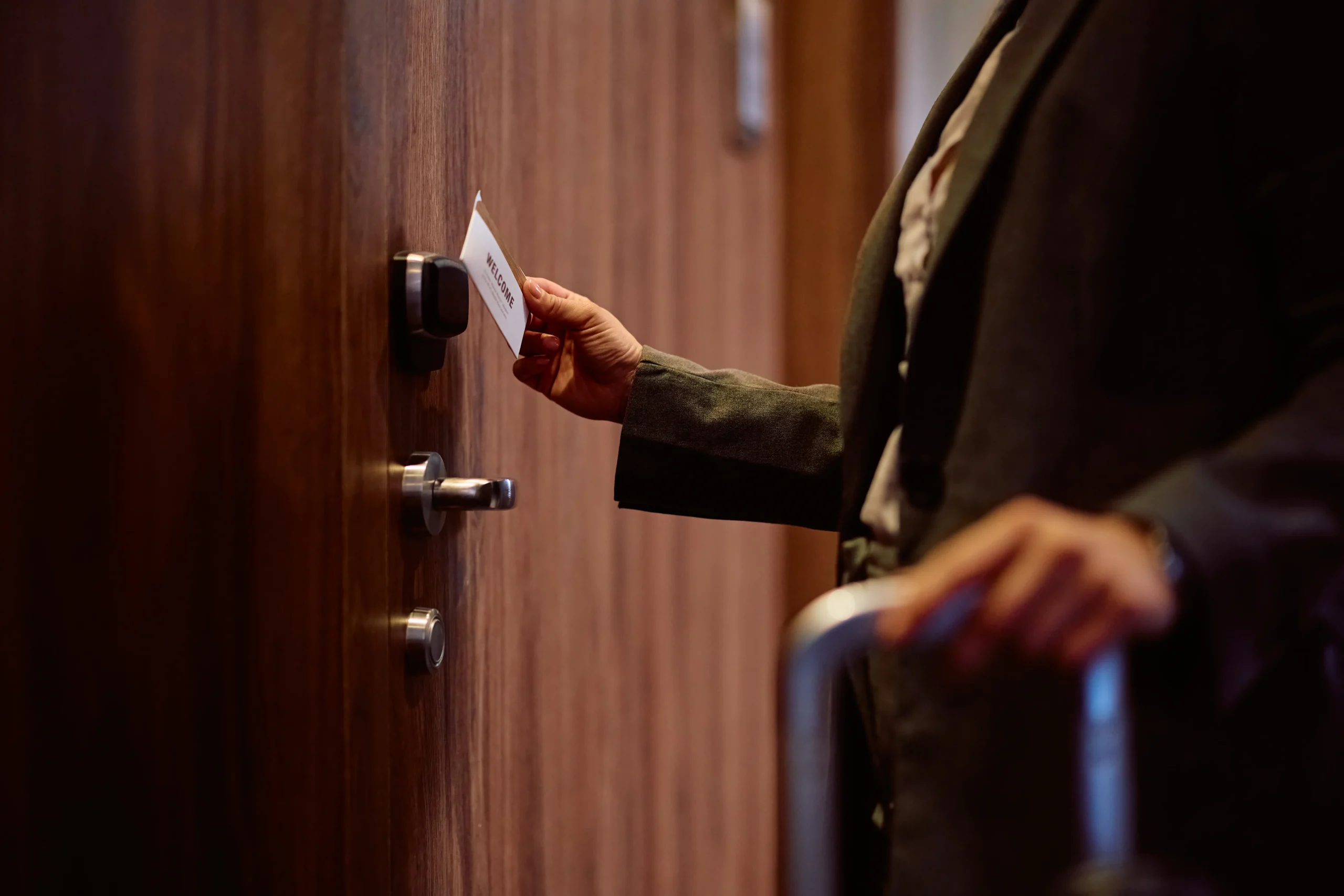
Right now, you’re probably managing keys that get copied, lost, or never returned when someone leaves. You’re dealing with the hassle of rekeying locks every time an employee quits or a contractor finishes a job. That’s time and money you don’t get back.
Building access control systems change that. You control access from your phone or computer. An employee leaves? Deactivate their credentials in seconds. Need to let a vendor in after hours? Grant temporary access without handing over a physical key.
You’ll see who entered which door and exactly when. No more guessing if someone showed up early or stayed late. No more wondering if that side door got locked. You get real-time alerts when doors open outside business hours, and you can lock or unlock any door remotely if something doesn’t look right.
The right door access control system doesn’t just keep unauthorized people out. It gives you back control over your property and eliminates the constant worry about who might have access they shouldn’t.
We’ve been solving security problems in the Delaware Valley since the late 1800s. Tom McCausland runs the largest locksmith operation in the region alongside his daughter Chrissy, continuing a family tradition that started with his great-grandfather.
We’re not a national chain that subcontracts your job to whoever’s available. When you call us for access control services in Parkside, PA, you’re getting technicians who’ve installed hundreds of systems across Delaware County. We know the buildings in this area, the security challenges local businesses face, and how to make door entry systems work with older construction.
Our storefront sits right on Lincoln Ave in Prospect Park. We stock parts from Kwikset, Medeco, and Schlage because we use manufacturer-approved components that last. You won’t see us again in a month because something failed.
Parkside businesses come back to us because we show up when we say we will, we finish the job right the first time, and we’re still here when you need service years later.
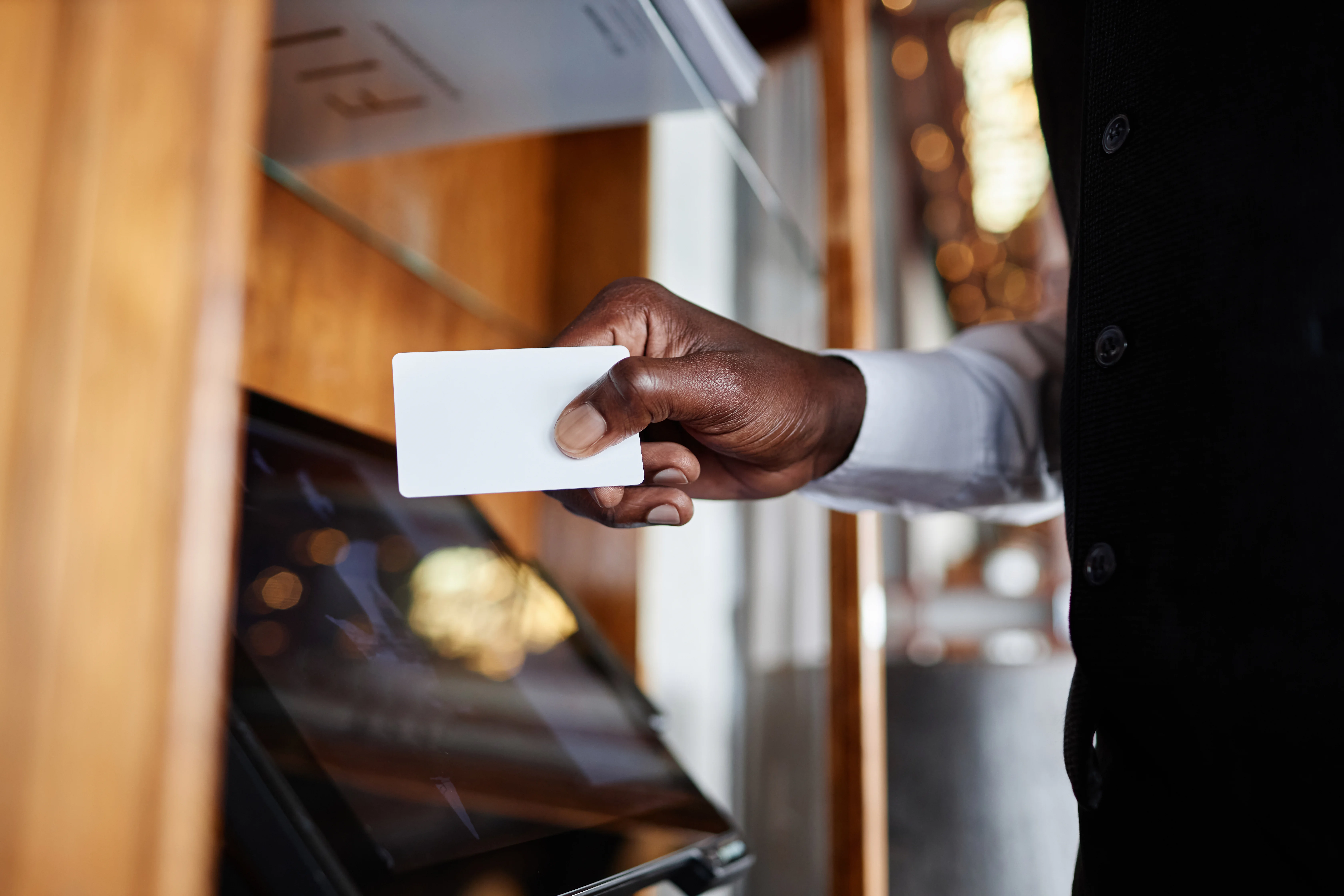
We start with a walkthrough of your property. You show us which doors need controlled access, where employees enter, where deliveries come in, and any areas that need restricted access. We’re looking at your existing locks, door frames, and how people actually move through your building.
Then we recommend a system that fits your situation. If you’ve got 10 employees and one entrance, you don’t need the same setup as a facility with 100 people and multiple buildings. We’ll explain what hardware goes on each door, how you’ll manage credentials, and whether a cloud-based or on-premise system makes more sense for your business.
Installation day, we mount card readers or keypads at each access point. We install electric strikes or magnetic locks depending on your door type. We run wiring, set up your control panel, and program the system. You’ll see us test every door multiple times to make sure it locks and unlocks correctly.
Before we leave, we train you on the system. You’ll learn how to add new users, deactivate old credentials, pull access reports, and set up alerts. We don’t hand you a manual and disappear. We make sure you’re comfortable managing your business access control system before we consider the job done.
Ready to get started?
You’re getting hardware that works with your existing doors. We install electromagnetic locks for glass doors, electric strikes for standard door frames, and panic bars with access control integration for emergency exits. Every component meets commercial building codes for Parkside, PA.
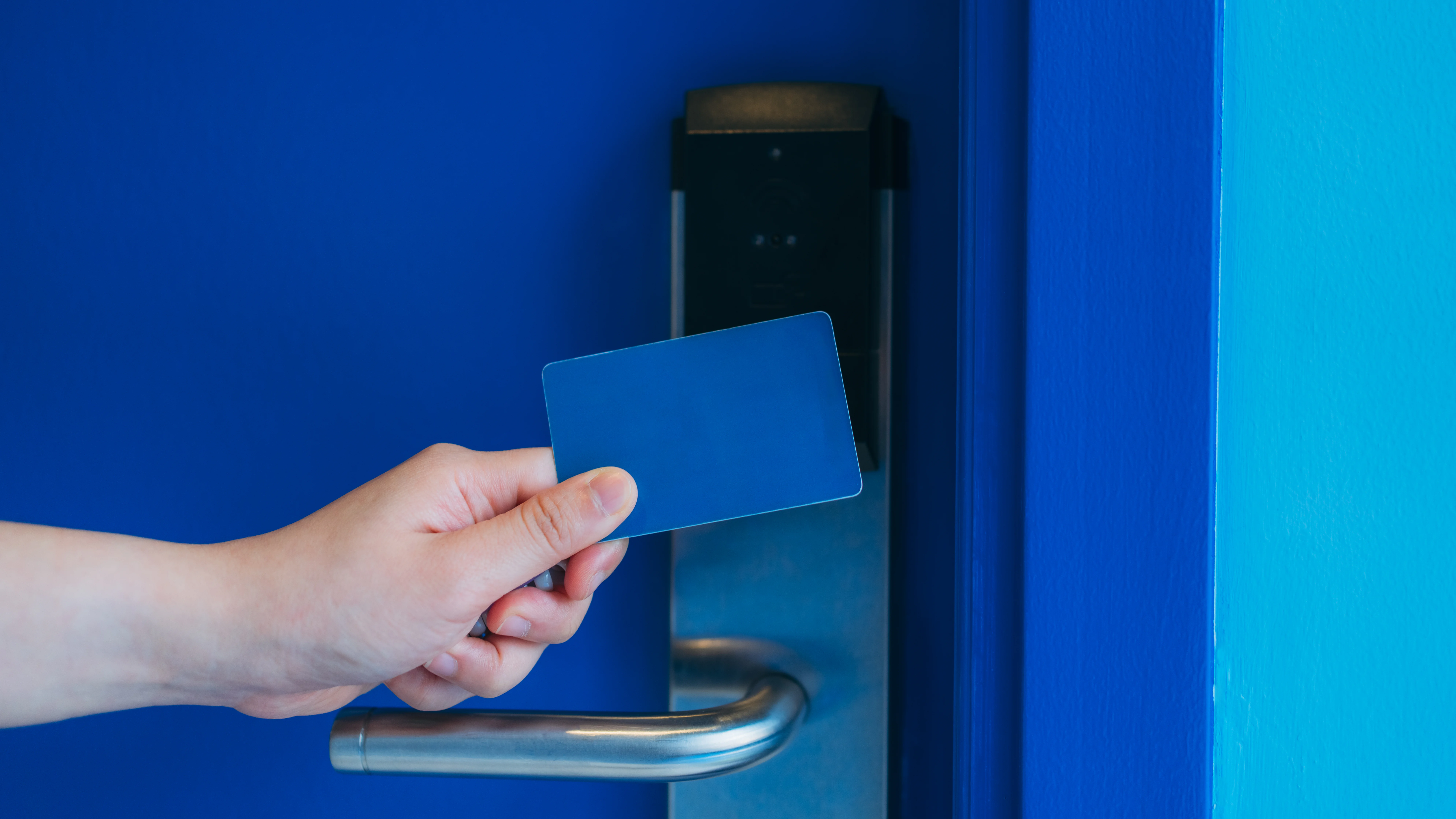
The system includes credential management that makes sense. Issue key cards, key fobs, or PIN codes to employees. Set access schedules so people can only enter during their shift times. Create access levels so your office staff can’t enter the warehouse and delivery drivers can’t access your office.
You get detailed access logs that timestamp every entry. See who opened which door and when. Export reports for payroll verification or security audits. Set up email or text alerts for after-hours access, forced door openings, or doors left propped open.
Remote management means you control everything from your phone. Lock all doors from home if you forgot. Let in an employee who arrived early. Grant temporary access to a contractor working on the weekend. You’re not tied to being on-site to manage your building security.
We include ongoing support because access control systems need maintenance. Readers get dirty. Credentials stop working. Software needs updates. When something goes wrong, you call us directly. No phone tree, no ticket system. You talk to someone who knows your setup and can fix it fast.

Most small businesses in Parkside spend between $1,500 and $5,000 for a basic commercial access control system covering one to three doors. That includes the controller, door hardware, credentials for your team, and installation.
The price changes based on what you need. A single door with a keypad and electric strike costs less than multiple doors with card readers and magnetic locks. Cloud-based systems have lower upfront costs but monthly fees. On-premise systems cost more initially but no recurring charges.
Your building matters too. Installing access control on a standard metal door frame takes a couple hours. Retrofitting glass doors or old wooden doors takes longer and costs more. If we need to run wiring through finished walls or across long distances, that adds labor time.
We give you an exact price after seeing your property. No ballpark estimates that double when the work starts. You’ll know what you’re paying before we touch a single door.
Yes, and you should. When your door access control system talks to your cameras, you see who used a credential and verify it was actually them. You catch people tailgating through doors or using someone else’s card.
We integrate access control with most major camera systems. When someone badges in, your camera captures their face. When a door opens without a valid credential, the camera starts recording. You get a complete picture of who’s entering your building and what they’re doing.
The integration works both ways. Pull up camera footage and see the corresponding access events. Or check your access logs and jump straight to the video from that time. You’re not switching between systems trying to piece together what happened.
Not all systems play nice together. We’ll tell you upfront if your current cameras can integrate or if you need different equipment. Most modern IP camera systems work fine. Older analog systems might need upgrades.
Your doors stay secure. Access control systems have battery backup that keeps them running for hours during power outages. The credentials stored in the system still work. People can enter and exit normally.
When power comes back, the system reconnects and uploads any access events that happened during the outage. You don’t lose data or security logs. Everything syncs automatically.
Internet outages affect cloud-based systems differently than on-premise setups. On-premise systems keep working because the controller is in your building. You can’t manage it remotely until internet returns, but all the door hardware functions normally.
Cloud-based systems cache credentials locally at each door. Recent users can still access the building. You can’t add new credentials or change permissions until internet reconnects, but your daily operations continue.
We set up systems with redundancy for businesses that can’t afford downtime. Cellular backup keeps cloud systems online if your internet drops. Uninterruptible power supplies prevent shutdowns during brief outages. You tell us how critical uptime is, and we design accordingly.
A single door takes about four hours from start to finish. That’s mounting the reader, installing the electric lock, running wiring to your control panel, programming the system, and testing everything. You can usually keep working while we install.
Multiple doors take longer but not proportionally. Three doors might take a full day instead of three separate four-hour jobs. We’re already on-site, wiring is often consolidated, and we program all doors at once.
Complex installations stretch to multiple days. If you’re securing 10 doors across different buildings, or we’re integrating with existing security systems, or your building needs extensive wiring work, we’ll give you a realistic timeline upfront.
The actual installation is just part of it. Before we start, we spend time planning wire routes, confirming door hardware compatibility, and ordering the right components. After installation, we train your team and make sure you’re comfortable with the system. Rush jobs lead to problems later, and we don’t work that way.
Probably not. Most commercial doors work fine with access control hardware. We install electric strikes in standard door frames and magnetic locks on glass doors or frames that can’t be modified. Your existing doors stay put.
Some situations need door upgrades. If your door frame is rotted or damaged, it won’t hold access control hardware securely. If you’ve got a residential-grade door on a commercial building, it might not support the weight of a magnetic lock. If your door doesn’t close properly, access control won’t fix that.
We’ll tell you during the walkthrough if doors need replacement. Sometimes it’s just the frame that needs reinforcement. Sometimes we can work around issues with different hardware. We’re not in the business of selling you new doors unless you actually need them.
The good news is that gate access control systems and door entry systems are designed to retrofit existing construction. Manufacturers know most businesses aren’t replacing perfectly good doors just to add security. The hardware adapts to what you already have.
Yes, if you want that option. Mobile credentials turn smartphones into access cards using Bluetooth. Employees tap their phone to the reader or just walk up and the door unlocks automatically. No cards to carry, lose, or forget.
Mobile access works well for businesses where everyone already carries their phone. It’s harder to share than a physical card, and you can revoke access instantly if someone loses their phone. Employees download an app, you send them a credential, and they’re set.
The downside is cost. Readers that support mobile credentials cost more than standard card readers. Not every access control system offers mobile options. And you’ll always need backup credentials for employees who don’t have smartphones or whose battery died.
Most Parkside businesses start with key cards or fobs. They’re cheap, reliable, and everyone knows how to use them. You can always add mobile credentials later if you want that flexibility. We install systems that support both so you’re not locked into one method.