
Hear from Our Customers
Your building doesn’t shut down at 5 p.m. You’ve got early shifts, late deliveries, contractors showing up on weekends, and employees who need access at different times. Managing all that with physical keys is a nightmare waiting to happen.
Access control systems let you grant access remotely, set schedules for when doors unlock automatically, and revoke permissions instantly when someone leaves your company. No more paying for rekeying. No more wondering if that key from three employees ago is still floating around somewhere.
You get a log of who entered, when, and through which door. If something goes missing or an incident happens after hours, you’re not guessing. You know exactly who was in the building. That’s the kind of visibility that protects your business and gives you actual peace of mind.
We’ve been serving Media and Delaware County since the late 1800s. That’s not a typo. We’re a fourth-generation family business, and we’ve seen security evolve from skeleton keys to smartphone-controlled door entry systems.
We’re the largest locksmith operation in the Delaware Valley, which means we stock the parts, employ trained technicians, and respond fast when you need us. Our shop is right here in Prospect Park, fully stocked and ready to help.
You’re not calling a national franchise or waiting three days for someone to show up. You’re working with people who’ve been part of this community for over 140 years and plan to be here for the next 140.

First, we come to your building in Media and do a walk-through. We’re looking at entry points, how your team moves through the space, where you need the tightest security, and where you just need basic access tracking. This isn’t a sales pitch. It’s a real assessment so we can recommend what actually makes sense for your setup.
Once you approve the plan, we schedule the installation. Our technicians mount the hardware, wire the system, integrate it with your existing infrastructure if needed, and program the software so it’s ready to use. We test every door, every credential, and every permission level before we leave.
After install, we train your team on how to add users, adjust schedules, lock or unlock doors remotely, and pull reports. If you run into issues down the road, you call us directly. We’re local, we know your system, and we’ll get you back up fast.
Ready to get started?
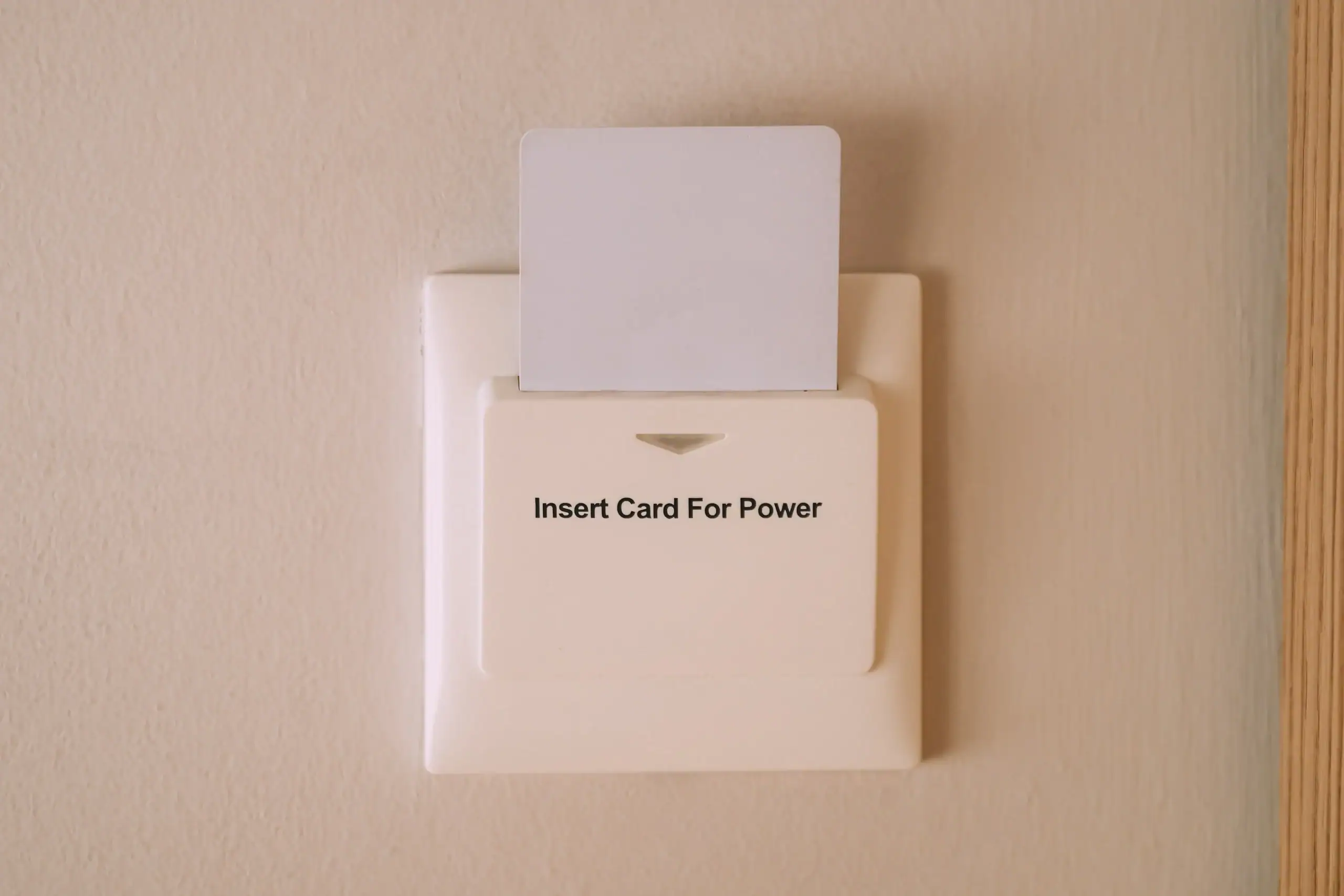
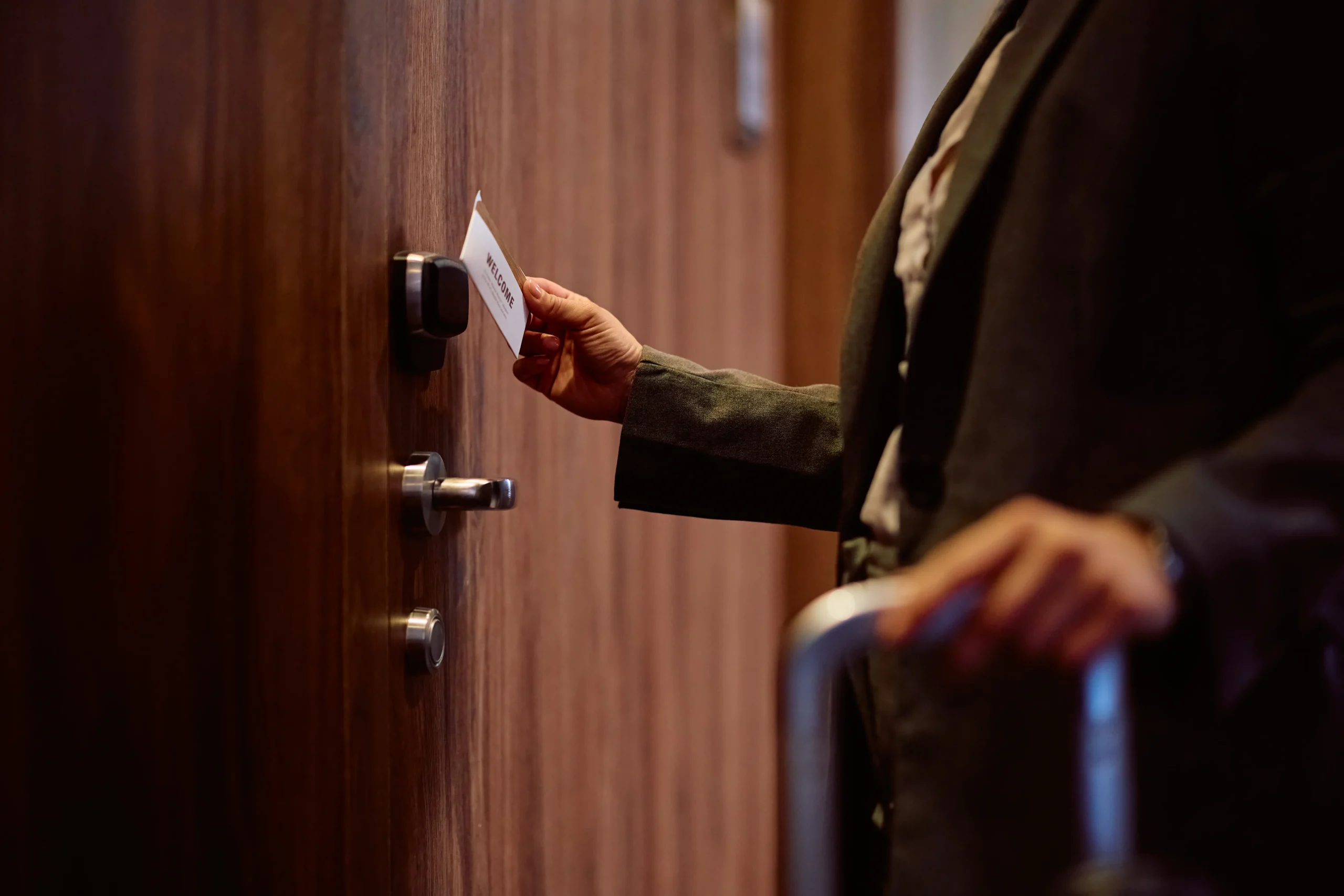
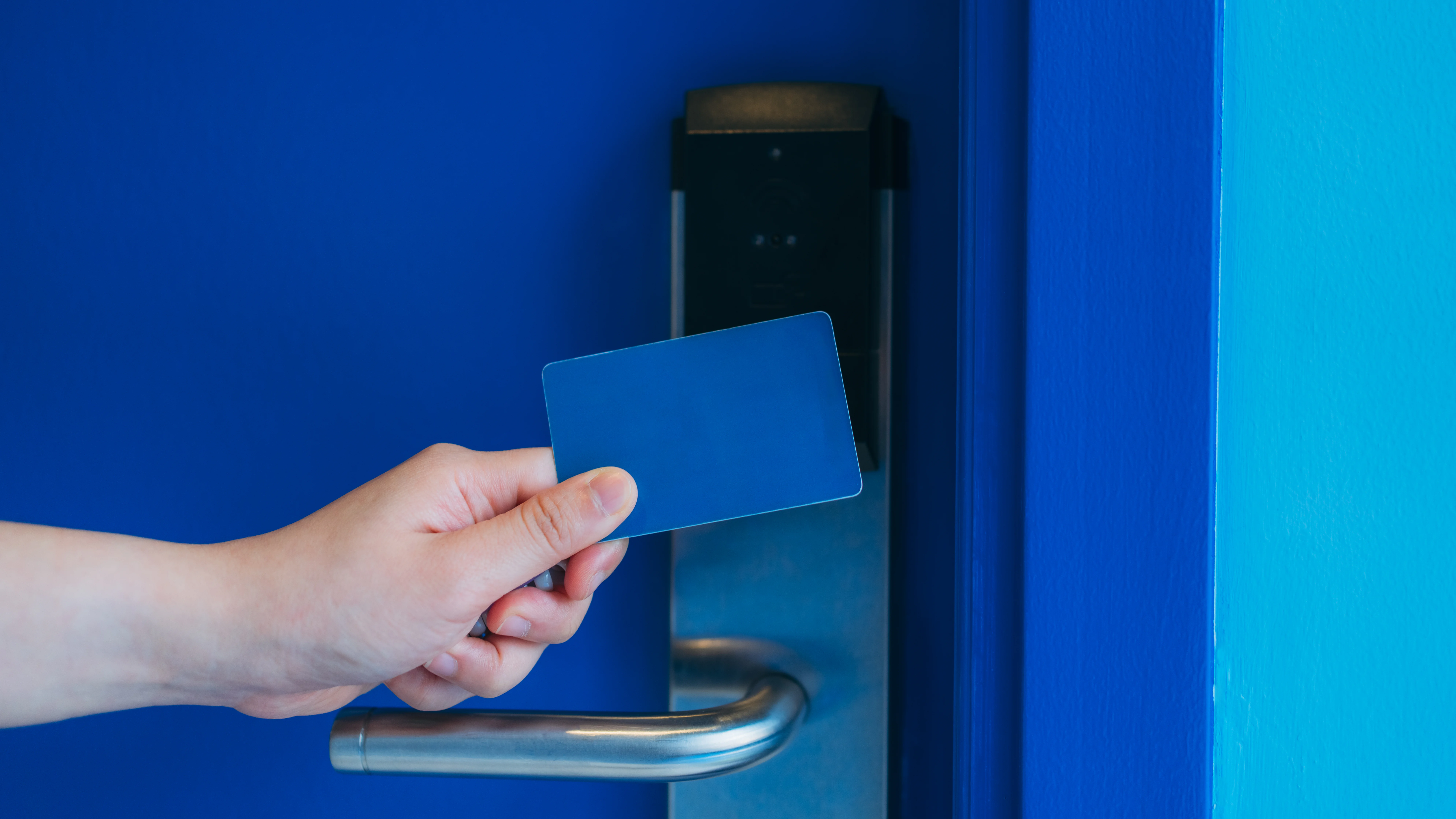
A commercial access control system includes door hardware like card readers or keypads, electronic locks or magnetic strikes, a control panel that manages permissions, and software that lets you control everything from your computer or phone. You can use key cards, fobs, PIN codes, or even mobile credentials depending on what works best for your operation.
In Media, we’re installing these systems in office buildings on State Street, warehouses near the Baltimore Pike corridor, medical offices around Granite Run, and retail spaces throughout Delaware County. The businesses that call us are tired of rekeying locks every time an employee leaves or a key goes missing. They want accountability and flexibility without adding more work to their plate.
You can set doors to unlock automatically during business hours and lock after close. You can give temporary access to contractors or cleaning crews that expires after a set date. You can get alerts if a door is propped open or forced. It’s not about being paranoid. It’s about running a tighter, smarter operation.

It depends on how many doors you’re securing and what level of control you need. A single-door system with a basic card reader and electronic lock might run a few thousand dollars. A multi-door setup with remote management, integration with video surveillance, and mobile credentials will cost more.
The real question is what it’s costing you now to manage keys. If you’re rekeying locks every time someone leaves, paying a locksmith for emergency lockouts, or dealing with security gaps because you can’t track who’s coming and going, those costs add up fast. Most businesses in Media see a return on investment within the first year just from eliminating rekey expenses and reducing security incidents.
We give you a clear quote after the walk-through so there’s no guessing. You’ll know exactly what the system costs, what’s included, and what your options are if you want to add features later.
Yes, and it’s one of the smartest moves you can make. When your access control system and video surveillance talk to each other, you get a complete picture of what’s happening at your building.
For example, if someone uses their credential to unlock a door, the system can trigger the nearest camera to start recording. If an alarm goes off, you can pull up the video feed and see what’s happening in real time. If you’re reviewing an incident after the fact, you can match access logs with video footage to see exactly who entered and what they did.
We install and service both access control and CCTV systems, so we can set up that integration from the start or add it to your existing setup. It’s not complicated on your end. You just get better visibility and faster answers when something doesn’t look right.
Most commercial access control systems have battery backup that keeps them running during a power outage. Your doors stay secure, and credentials still work. Depending on the system, you might lose remote access temporarily, but the core functionality stays intact.
If the system has a technical failure, that’s where working with a local company matters. We’re 20 to 30 minutes away in most cases, and we keep OEM parts in stock so repairs don’t drag on for days. You’re not waiting on a national service center to ship components or schedule a technician from two states over.
We also recommend systems that send alerts if something’s wrong, like a door that’s been propped open too long or a controller that’s offline. Catching issues early means you’re not dealing with a full system failure when you least expect it.
You log into the software, add the new user, assign their credential (card, fob, or PIN), and set their permissions. It takes a couple of minutes. When someone leaves, you deactivate their credential immediately. They can’t get in, and you don’t have to touch a single lock.
You can also set permissions by role. Maybe your warehouse staff only needs access to the loading dock and break room, while managers can access the office and server room. You’re not giving everyone a master key and hoping they don’t lose it. You’re controlling access at a granular level without making it complicated.
If you’re managing multiple locations, you can do all of this from one dashboard. Add a new hire at your Media office while you’re sitting at your King of Prussia location. It’s that flexible.
It depends on the system. Some access control setups are completely local and don’t require internet. They store everything on-site, and you manage them from a computer on your network. Others are cloud-based, which means you need internet for remote access and real-time updates.
Cloud systems give you more flexibility. You can lock or unlock doors from your phone, get instant alerts, and manage users from anywhere. Local systems give you more control over your data and don’t rely on an internet connection to function day-to-day.
We’ll walk you through both options during the assessment. If your building already has solid internet and you want remote access, cloud makes sense. If you’re in a location with spotty connectivity or you prefer everything on-site, we’ll set you up with a local system that doesn’t depend on the cloud.
For a single door, we can usually get it done in a few hours. For a multi-door system with several entry points, wiring, and integration with other security systems, it might take a day or two depending on the complexity of your building.
We schedule installations around your business hours whenever possible. If you can’t have us working during the day, we’ll come in after hours or on weekends. The goal is to get your system up and running without disrupting your operation.
Once it’s installed, you’re not waiting weeks to start using it. We program everything on-site, test it thoroughly, and train your team before we leave. You’ll be controlling access the same day we finish the install.