
Hear from Our Customers
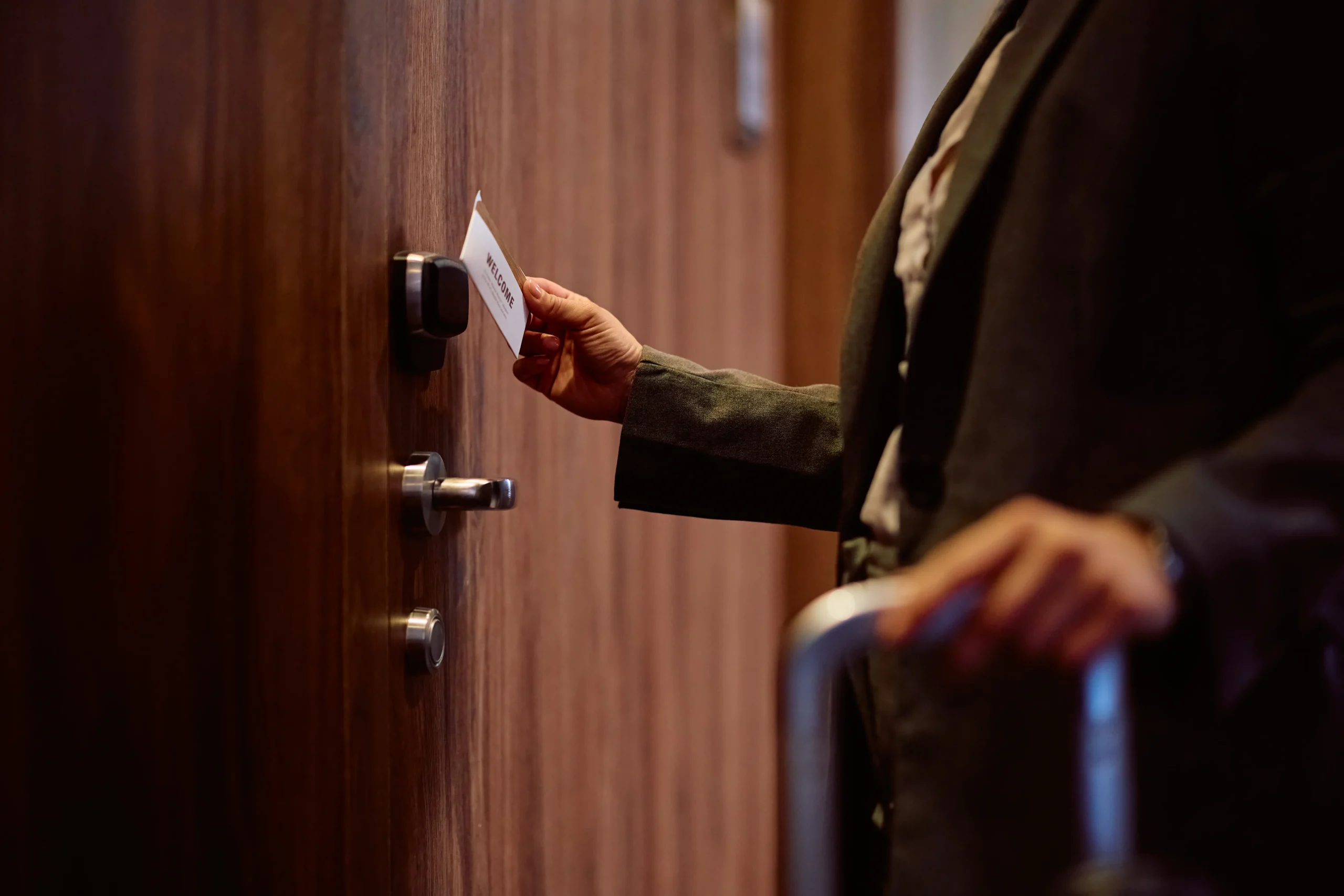
Physical keys are a liability you can’t afford. Someone loses one, quits without returning it, or makes a copy you’ll never know about. Now you’re either living with the risk or paying to rekey everything.
Building access control systems let you grant and revoke access from your phone. Employee leaves? Their credential stops working before they reach the parking lot. Need to let a vendor in at 6 AM? Send them a temporary code that expires after their appointment. You’re not just locking doors—you’re deciding exactly who gets in, when they get in, and which areas they can access.
The businesses we work with in Lenni and throughout Delaware County aren’t installing access control because it’s trendy. They’re doing it because managing physical keys became impossible the moment they hired their third employee. One system handles your front entrance, back warehouse, office areas, and server room without a single key to lose or duplicate.
We’ve been operating in Delaware County since the late 1800s. We’re now the largest locksmith company in the Delaware Valley, run by the fourth generation of the McCausland family. That longevity isn’t about nostalgia—it’s about solving security problems correctly the first time.
We’ve installed door access control systems in Lenni businesses that needed more than a standard lock. Our technicians stock manufacturer-approved parts from Kwikset, Medeco, and Schlage, and we’re authorized to service commercial-grade systems that most locksmiths won’t touch. When you call, you’re getting someone who’s seen every possible configuration and knows which systems hold up in real-world conditions.
You’ll find our storefront in Prospect Park, fully stocked and ready to respond. We’re local, we’re available for emergencies, and we’ve been doing this longer than anyone else in the area.

First, we walk through your property with you. Not to sell you the most expensive system—to figure out where you actually need control. Front door, back entrance, restricted storage, server room. We’re looking at how people move through your building and where vulnerabilities exist.
Then we recommend a system that fits your situation. If you’ve got one door and five employees, you don’t need enterprise-level biometrics. If you’re managing multiple buildings with 50+ people, you need cloud-based access control that scales. We’ll explain what each option does and what it costs, then let you decide.
Installation happens on your schedule. We mount the hardware, run the wiring, configure the software, and test every entry point. You’ll get a walkthrough on how to add users, set schedules, and pull access logs. If something stops working, we’re 20-30 minutes away for emergency service.
After installation, the system is yours to manage. Add employees, remove credentials, adjust permissions—all from your computer or phone. If you need help or want to expand the system later, we’re here.
Ready to get started?
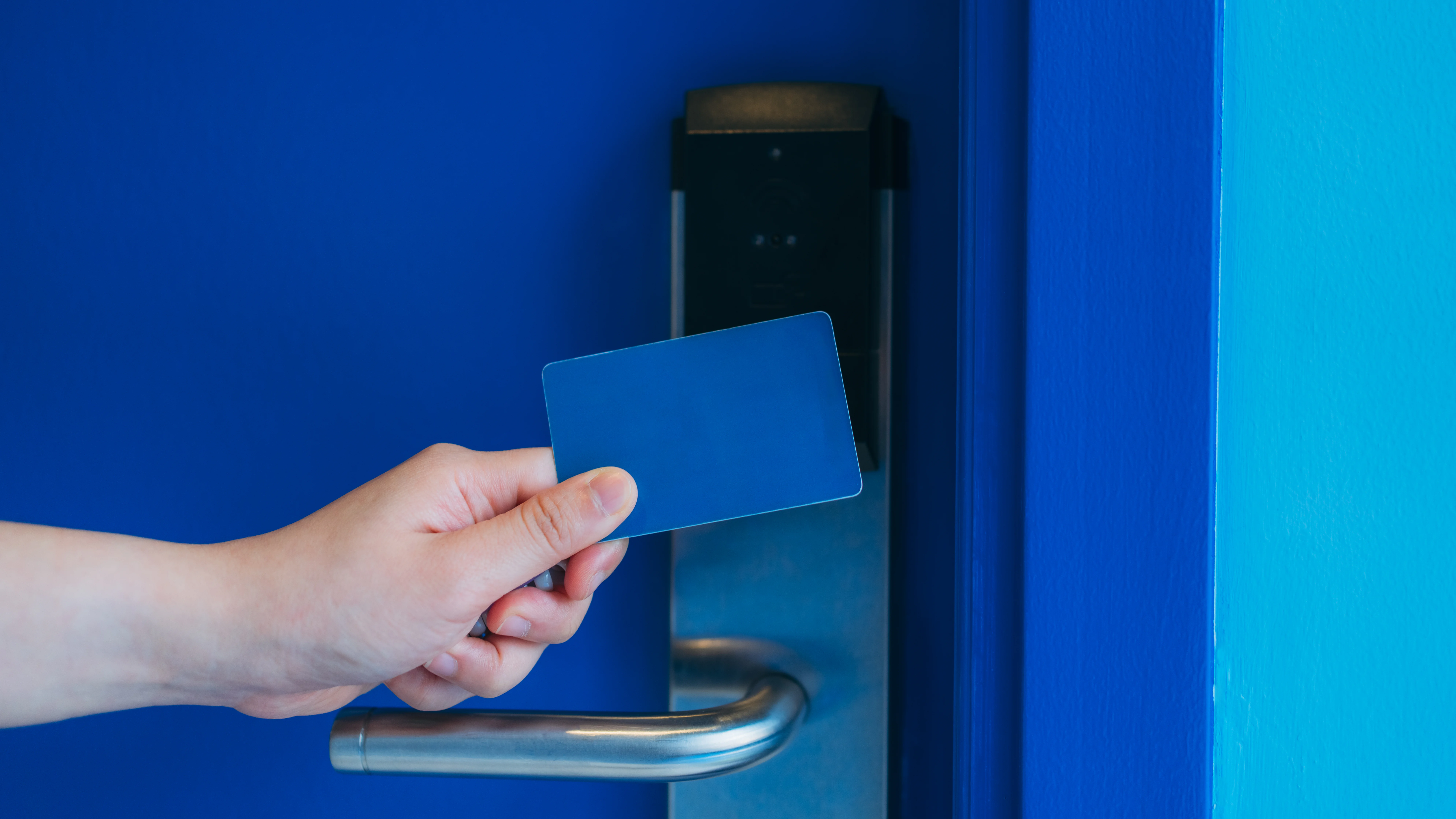

You’re getting door entry systems that replace your key-based locks with credential readers—keycards, fobs, PIN codes, or mobile credentials. Each person gets their own unique access, so you know exactly who entered and when. The system logs everything.
You’re also getting control over when people can enter. Set schedules so employees can only access the building during their shifts. Restrict certain doors to management only. Grant temporary access to contractors that expires automatically. This isn’t just about keeping people out—it’s about managing who goes where, all the time.
For businesses in Lenni and the surrounding Delaware County area, we’re seeing increased demand for systems that integrate with existing security cameras and alarm systems. Everything feeds into one platform, so you’re not juggling three different apps to see what happened last Tuesday. You get one system that handles access, video, and alerts.
The access control market is moving toward cloud-based systems because they’re easier to manage across multiple locations and they update automatically. You’re not maintaining servers or worrying about software patches. It just works, and you can manage it from anywhere.
Most commercial access control systems have battery backup that keeps the door hardware functioning during power outages. The credentials stored in the reader itself still work—people can get in and out using their keycards or codes even when the power’s down.
If you lose internet, cloud-based systems continue operating locally. The doors still lock and unlock based on the last settings you configured. You just can’t make changes remotely until the connection comes back. Once it does, the system syncs automatically and uploads any access logs that were stored locally.
For businesses that can’t afford any downtime, we can install systems with cellular backup. If your primary internet fails, the system switches to a cellular connection so you maintain full control and monitoring. It costs a bit more, but it’s worth it if you’re managing high-security areas or multiple locations.
Yes, and that’s one of the biggest advantages of modern access control. Most systems we install can integrate with existing CCTV and alarm infrastructure. When someone badges in, the system can trigger your cameras to start recording. If someone tries to force a door, it can send an alert to your alarm monitoring company.
The key is making sure your current equipment is compatible. Older analog systems might need an upgrade to work with newer access control platforms, but most IP-based cameras and modern alarm panels integrate without issues. We’ll assess what you have during the walkthrough and tell you what will work together.
Integration means you’re managing everything from one interface. You can pull up video footage of who entered a specific door at a specific time, all from the same platform that manages access credentials. It’s faster, cleaner, and way more useful when you’re trying to figure out what actually happened.
You log into the system’s software—either on a computer or through a mobile app—and add a new user. You’ll enter their name, assign them a credential (keycard, fob, or PIN), and set their access permissions. The whole process takes about two minutes. Their credential works immediately.
Removing someone is even faster. You find their name in the system, deactivate their credential, and it stops working instantly. They can’t badge in anymore, even if they still have the physical keycard. There’s no waiting period, no rekeying locks, no wondering if they made a copy.
You can also set expiration dates for temporary access. If you’re giving a contractor access for two weeks, the system automatically deactivates their credential when that period ends. You don’t have to remember to go back and remove them manually. It just happens.
A basic system controls one or two doors with keycard or PIN access. You can add and remove users, set simple schedules, and view access logs. It’s straightforward, affordable, and works great for small businesses that need better security than a keyed lock but don’t need complex features.
Advanced systems add biometric readers (fingerprint or facial recognition), mobile credentials (unlock doors with your phone), and integration with other security systems. You get more detailed reporting, real-time alerts, remote management across multiple sites, and the ability to create complex access rules. If someone needs access to the front door but not the warehouse, or only during specific hours on specific days, advanced systems handle that easily.
The price difference is significant, but so is the functionality. We’ll recommend what actually makes sense for your situation. If you’ve got 10 employees and one entrance, you don’t need the advanced system. If you’re managing 50+ people across multiple buildings with varying access needs, the advanced system pays for itself in time saved and security gained.
For a single door with a standalone access control reader, installation usually takes 2-4 hours. That includes mounting the hardware, running wiring, configuring the system, and training you on how to use it. You can be up and running the same day.
Multi-door installations take longer depending on how many entry points you’re securing and how complex the wiring is. A typical small business with 3-5 doors might take a full day. Larger commercial properties with 10+ doors, integration with existing security systems, and network configuration can take 2-3 days.
We schedule installations around your business hours whenever possible. If you can’t have us working during the day, we’ll come in after hours or on weekends. The goal is to get you secured without disrupting your operations. Once it’s installed, you’re in control—we’re just here if you need support or want to expand the system later.
Not much. The hardware itself is designed to run for years without intervention. The main thing you’ll do is replace batteries in wireless readers or keypads every 1-2 years, which takes about five minutes. Cloud-based systems update their software automatically, so you’re not managing patches or upgrades.
You should test the system periodically—make sure credentials are working, doors are locking properly, and logs are recording correctly. Most businesses do a quick check monthly. If something stops working, it’s usually obvious immediately because someone can’t get in.
We offer service plans if you want us to handle periodic inspections and maintenance, but it’s not required. These systems are built to be low-maintenance. If you do run into issues—a reader stops responding, wiring gets damaged, software glitches—we’re available for emergency service and typically arrive within 20-30 minutes anywhere in Delaware County.