
Hear from Our Customers
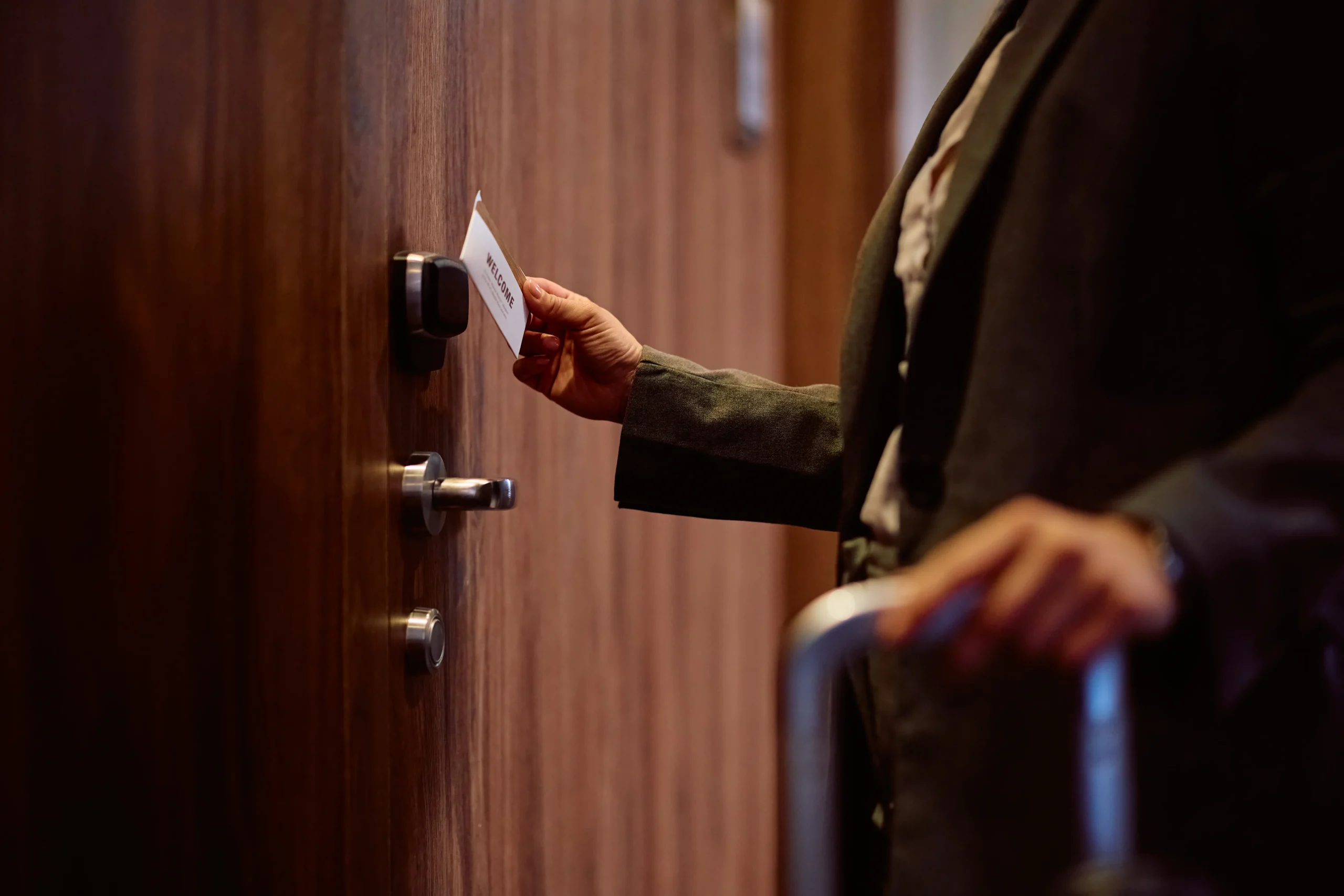
Twenty percent of key cards get lost or stolen every year. That’s one in five employees walking around without credentials—or worse, someone else walking around with theirs.
With door access control systems, you’re not guessing. You’re not hoping that last employee turned in their key. You pull up your phone and see who entered, when they left, and which doors they used. If someone shouldn’t be there, you lock them out in seconds.
No more rekeying. No more wondering if the person who quit three months ago still has building access. You control entry from anywhere, and the system keeps a record you can pull up anytime you need it. That’s not just convenient—it’s the difference between reacting to a problem and preventing one.
We’ve been in Glenolden and throughout Delaware County since the late 1800s. We’re now the largest locksmith operation in the Delaware Valley, run by fourth-generation locksmith Tom McCausland and his daughter Chrissy.
We’re not a national franchise. We’re the people who live here, work here, and show up when you call. Our mobile fleet covers every street in the area, and we typically arrive within 20 to 30 minutes for emergencies.
When crime happens every 40 minutes in Delaware County and organized theft rings are hitting businesses across Bucks, Montgomery, Chester, and Delaware counties, you want someone local who understands what’s happening in your backyard. That’s us.

We start with a free walk-through of your property. You show us which doors matter, who needs access, and what you’re trying to protect. We’re looking at entry points, traffic patterns, and where your current setup creates risk.
Then we recommend a system that fits your building and your budget. We’re authorized to install Kwikset, Medeco, and Schlage systems, so you’re getting manufacturer-backed equipment and service. We handle the installation, program your credentials, and show you how to manage everything from your phone or computer.
After install, the system logs every entry. You decide who gets access to which doors and during what hours. If someone loses a card or leaves the company, you deactivate their credentials in seconds—no locksmith call needed. And if something goes wrong or you want to add doors later, we’re 20 minutes away.

Ready to get started?
You’re getting more than electric locks. You’re getting a system that tracks every door opening, sends alerts when someone tries to enter outside approved hours, and lets you lock down your entire building from your phone if something goes wrong.
Most businesses in Glenolden are small operations—80% of jobs in Delaware County come from small businesses. You don’t have a full-time security team. You need systems that work without constant babysitting. Cloud-based access control does that. You manage users, check logs, and get alerts without being on-site.
The systems we install integrate with cameras and alarm systems you might already have. If you’re in a medical office, retail space, or warehouse, you can set different access levels for different people. Your manager gets in at 5 a.m., but the part-timer only has access during their shift. It’s specific, and it’s automatic.
Over 65% of new commercial buildings now include smart access control from day one. If you’re in an older building, retrofitting is straightforward. We work with your existing doors and frames—you’re not rebuilding your entrance to get better security.

It depends on how many doors you’re securing and what features you need. A basic setup for one or two doors might run a few thousand dollars. If you’re covering multiple entry points, adding biometric readers, or integrating with cameras, the price goes up.
Here’s what matters: small businesses with 10 to 25 employees typically see 150% to 180% return on investment over three years. You’re saving on locksmith calls, replacement locks, and the time spent managing physical keys. You’re also avoiding the cost of a break-in, which for most small businesses means thousands in stolen property plus lost revenue while you’re closed.
We give you a quote after the walk-through because we’re not guessing. We see your doors, understand your needs, and price it honestly. No surprises.
You manage it yourself. That’s the point. Once we install and set up your system, you control everything from your computer or phone. Add a new employee, deactivate someone who left, change access hours—you do all of that without calling us.
We train you on the system during installation. It’s not complicated. If you can use a smartphone, you can manage your access control. The interface shows you who has access, when they used it, and lets you make changes in real time.
You only call us if you’re adding new doors, upgrading hardware, or if something breaks. For day-to-day stuff like adding users or pulling entry logs, you’re completely independent. That’s how modern systems work, and it’s why businesses save hundreds of hours a year compared to old key-based setups.
Most commercial access control systems have offline functionality built in. If your internet goes down, the readers at each door still have the credential data stored locally. Your employees can still get in using their cards or codes.
What you lose during an outage is remote management and real-time alerts. You won’t be able to add new users or check logs from your phone until connection comes back. But the doors keep working, and the system stores all the entry data locally so nothing gets lost.
Once internet is restored, everything syncs automatically. You’ll see all the entries that happened during the outage. If you’re in an area with unreliable internet, we can recommend systems with cellular backup so you stay connected even if your main line drops. It’s an extra cost, but for some businesses it’s worth it.
Usually, yes. Most access control installations work with your existing door frames and hardware. We’re adding electronic components—readers, controllers, electric strikes or magnetic locks—but we’re not ripping out your doors.
During the walk-through, we check your door types, frame materials, and how they’re currently secured. Standard commercial doors are straightforward. If you have unusual setups like glass doors, roll-up gates, or old wooden frames, we’ll tell you what modifications are needed.
In some cases, you might need a new strike plate or a stronger frame if the current one won’t support an electric lock. But that’s the exception. Most businesses keep their existing doors and we retrofit the access control components. It’s faster and cheaper than you’d think.
It depends on how many people need access and what level of security you want. Key cards are the most common. They’re cheap, easy to replace, and simple for employees to use. If someone loses a card, you deactivate it and issue a new one.
PIN codes work if you have high turnover or lots of temporary access needs. Delivery drivers, contractors, cleaning crews—you give them a code that expires after a set time. No physical credential to hand out or get back. The downside is people share codes, so you lose some accountability.
Biometrics—fingerprint or facial recognition—give you the tightest security. Nobody can share a fingerprint. You know exactly who entered because the credential can’t be transferred. About 40% of new installations now include biometric readers. They cost more upfront, but if you’re protecting sensitive areas or high-value inventory, they’re worth it. We’ll recommend what makes sense for your situation during the consultation.
Yes. That’s one of the biggest advantages of modern access control. You’re not locked into your initial setup. If you start with two doors and later want to secure a back entrance, storage room, or second location, you add components to the existing system.
Cloud-based systems make this especially easy. You’re not limited by physical hardware capacity at your site. You add a new door controller and reader, connect it to your network, and it shows up in your management dashboard. You control it the same way you control your other doors.
The cost to add doors later is usually just the hardware and installation labor for that specific door. You’re not rebuilding the whole system. Businesses that plan to expand appreciate this flexibility—you can start small and scale up as your needs change without throwing away your initial investment.