
Hear from Our Customers
Every business lockout costs you money. Every minute your team is standing outside waiting costs sales, productivity, and credibility with customers who showed up expecting you to be open.
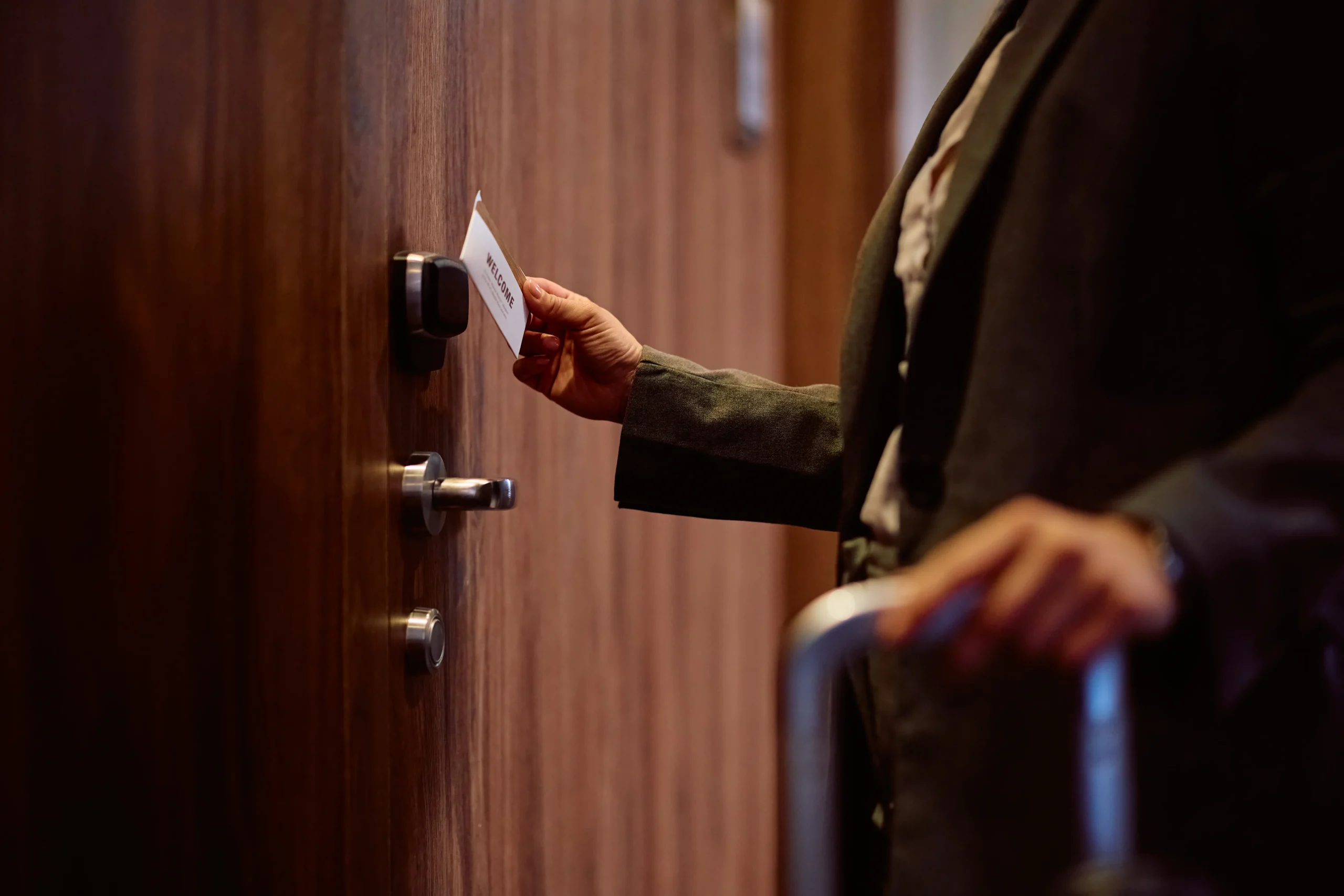
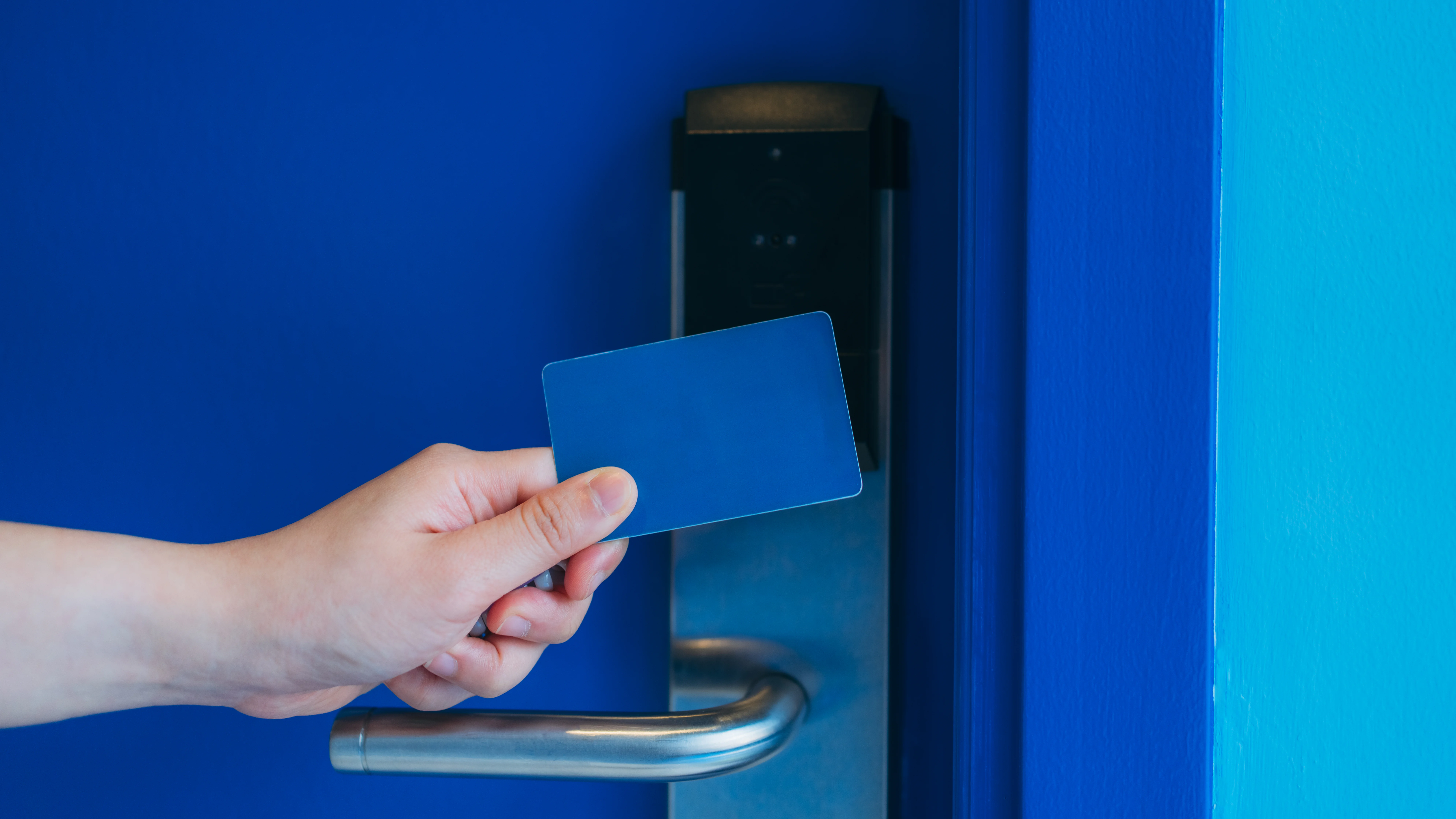
Access control systems eliminate that risk. Your employees get in using cards, codes, or biometrics. You control access from your phone. If someone leaves the company, you revoke their credentials in seconds instead of wondering how many copies of the key are floating around.
You also get a record. When something goes missing or a door was left open overnight, you’ll see who was there and exactly when they entered. That kind of accountability changes behavior and protects your business from both outside threats and internal problems you’d rather catch early.
McCausland Lock Service is a fourth-generation family business. Tom McCausland and his daughter Chrissy run the largest locksmith company in the Delaware Valley from our Prospect Park storefront.
We’ve been serving Delaware County since the late 1800s. That means we’ve worked on everything from old industrial buildings in Folcroft to newer office parks along Route 291. We know the mix of construction types in this area and what it takes to install access control systems that actually work with your existing doors and frames.
You’re not calling a call center. You’re working with licensed technicians who show up when we say we will, do the job without damaging your property, and make sure your system integrates with whatever security setup you already have.

First, we come out and look at your building. We need to see your doors, your existing wiring, and understand how your team actually moves through the space. That tells us whether you need card readers, keypads, biometric scanners, or a combination.
Then we design a system that fits your needs. If you’ve got 5 employees, you don’t need the same setup as a medical office with 50 staff members and HIPAA compliance requirements. We’ll recommend cloud-based systems if you want remote management, or standalone units if you’d rather keep everything local.
Installation happens on your schedule. We run wiring, mount hardware, program the system, and test every entry point. Before we leave, we show you how to add users, pull reports, and handle basic troubleshooting. You’ll also get our number for any issues that come up later.
Ready to get started?
You get door access control systems installed by people who understand commercial circuitry. A lot of buildings in Folcroft and the surrounding Delaware County area have older electrical systems. We know how to integrate modern access control without overloading circuits or creating fire code violations.
You also get scalability. If you’re running a small operation now but planning to grow, we’ll set you up with systems that can add users and doors without requiring a complete reinstall. Cloud-based platforms let you manage everything from your phone, and if you’ve got multiple locations, you can control them all from one dashboard.
For businesses that handle sensitive data or need regulatory compliance, we install systems with audit trails and role-based permissions. Healthcare facilities use these for HIPAA compliance. Manufacturers use them to restrict access to certain areas. Retail operations use them to track who opened the building and when.

It depends on how many doors you’re securing and what level of control you need. A basic single-door system with a keypad or card reader starts around $1,500 to $2,500 installed. That includes the hardware, wiring, and programming.
If you’re securing multiple entry points or need features like remote management, biometric readers, or integration with existing security cameras, you’re looking at $3,000 to $10,000 depending on the complexity. We don’t push you toward expensive systems you don’t need. If a simple keypad does the job, we’ll tell you that.
The real cost is what happens when you don’t have access control. One break-in, one incident with a former employee who still has a key, or one compliance violation can cost you more than the system itself. We’ll give you an honest quote after we see your building.
Most modern commercial access control systems let you manage everything from your phone or computer. You can add new users, delete old ones, unlock doors remotely, and pull entry logs from anywhere with an internet connection.
Cloud-based systems are especially useful if you’ve got managers who work different shifts or if you’re not always on-site. Let’s say an employee gets hired on a Friday afternoon and starts Monday morning. You can set up their credentials over the weekend without driving to the building.
You can also get alerts. If someone tries to enter outside business hours or uses a credential that’s been flagged, the system notifies you immediately. Some setups integrate with video surveillance so you can see who’s at the door before you unlock it remotely. We’ll walk you through all of this during installation so you’re comfortable using it.
Good access control systems have battery backup that keeps them running during power outages. The backup typically lasts 4 to 8 hours depending on the system and how often the doors are being used.
If the system completely fails, most commercial setups default to one of two modes. Some lock all doors automatically for security. Others unlock all doors so people can exit safely in an emergency. We configure that based on your building type and local fire codes.
You’ll also have a backup way to get in. We don’t install systems that lock you out of your own building if the electronics fail. That might be a physical key override, a backup keypad, or another failsafe depending on what makes sense for your situation. And if something goes wrong, we’re available for emergency service calls throughout Delaware County.
A single-door installation usually takes 3 to 5 hours if the wiring is straightforward. That includes mounting the reader, running cables, connecting to your network or control panel, and programming the system.
Multi-door installations take longer. A small office with 3 or 4 entry points might take a full day. Larger buildings with 10+ doors, multiple zones, or integration with existing security systems can take 2 to 3 days depending on the complexity and how much wiring needs to be run.
We schedule installations around your business hours when possible. If you can’t afford downtime during the day, we’ll come in after hours or on weekends. We’ll give you a realistic timeline during the estimate so you can plan accordingly.
In most cases, yes. We can retrofit access control onto your current doors without replacing the entire frame or lock assembly. We’ll add an electric strike, magnetic lock, or electrified panic hardware depending on what you’ve got now and what your building code requires.
Older buildings sometimes need modifications. If your door frame isn’t deep enough for an electric strike or the door itself is damaged, we’ll let you know up front what needs to be fixed. We’re not going to install a system on a door that’s going to fail in six months.
The goal is to make this work with what you have. We’ve installed access control systems on everything from old steel doors in industrial buildings to modern glass storefronts. Delaware County has a mix of both, and we’ve seen most of it. We’ll figure out the right hardware for your specific setup during the site visit.
Yes, and that’s one of the biggest advantages of modern access control systems. When someone uses a card or code to enter, the system can trigger your cameras to start recording. You get a visual record of who came in, not just a log entry.
Integration with alarm systems is common too. You can set it up so that disarming the alarm and unlocking the door happen together, or so that certain doors trigger an alert if they’re opened when the alarm is active. This is especially useful for businesses with restricted areas or after-hours security concerns.
We work with most major security platforms. If you’ve already got cameras or an alarm system installed, we’ll make sure the access control system talks to them properly. If you’re starting from scratch, we can design the whole thing as one integrated system. Either way, you’ll have centralized control instead of juggling three different apps and interfaces.