
Hear from Our Customers
You’re spending too much time tracking down keys. An employee leaves and you’re wondering who else has copies. A contractor needs temporary access and you’re cutting new keys. Someone gets locked out after hours and you’re driving back to the office.
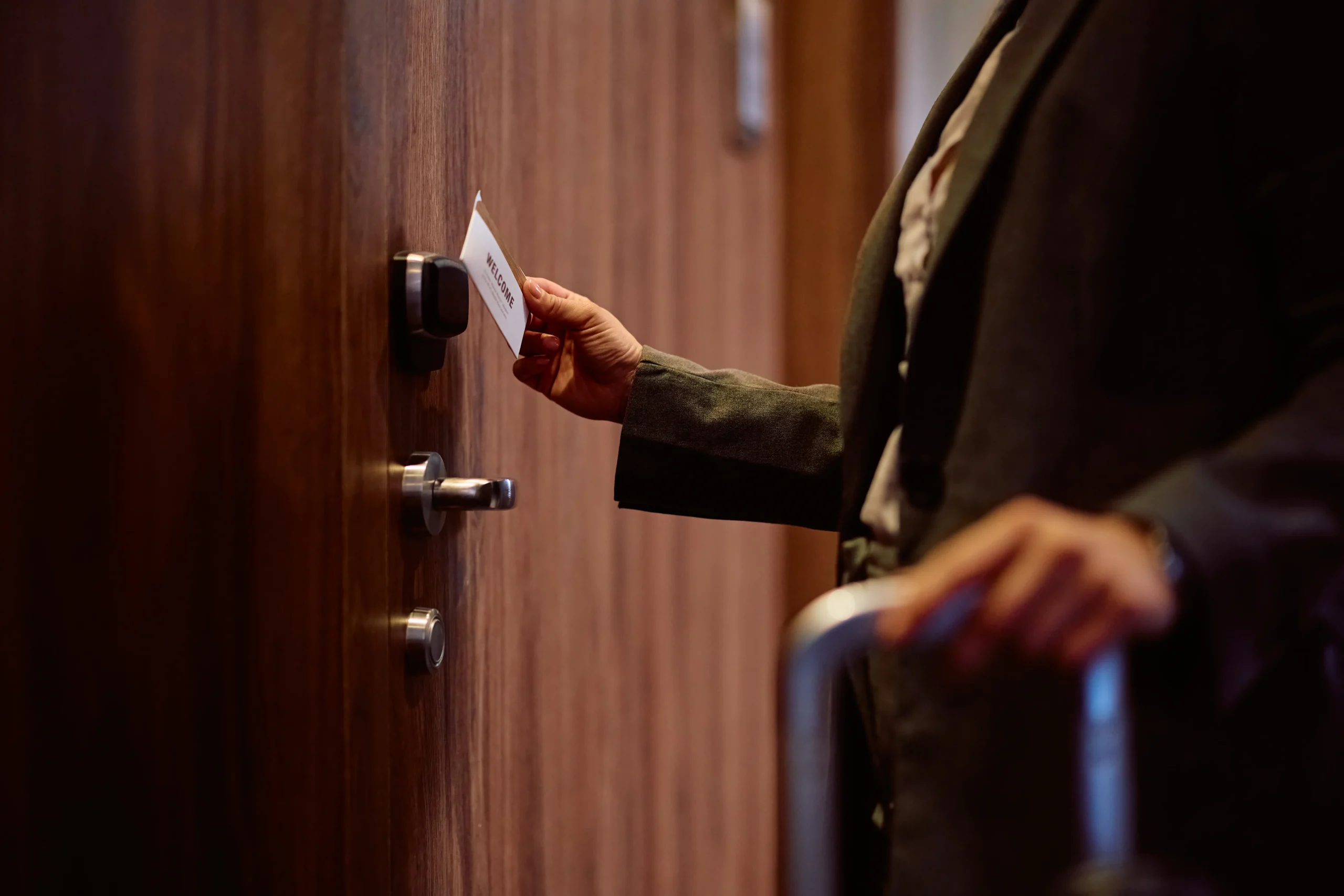
Access control systems fix that. You control who enters, when they can enter, and which doors they can access. All from a computer or phone. No more rekeying locks when someone leaves. No more wondering if that key floating around still works.
When you install a commercial access control system, you’re not just upgrading locks. You’re getting real-time alerts when doors open. You’re reviewing entry logs to see who accessed what and when. You’re granting temporary credentials to vendors that automatically expire. You’re locking down your building remotely if something doesn’t feel right.
For Essington businesses operating in industrial facilities, office buildings, or multi-tenant properties, this means fewer disruptions and better protection. Your team gets in smoothly. Everyone else stays out.
The McCausland family has been in locksmithing since the late 1800s. We’re the fourth generation, following our father Walt McCausland’s footsteps as security experts serving Delaware County and the surrounding areas.
We’re the largest locksmith company in the Delaware Valley, and we’ve built that reputation by showing up when it matters. Our Prospect Park storefront is close to Essington, and we typically respond to business emergencies in 20 to 30 minutes across Delaware County locations like Media, Upper Darby, Chester, and Springfield.
We specialize in access control and CCTV systems, master key systems, safes, and all types of commercial locking hardware. We’re authorized for Kwikset, Medeco, and Schlage, which means your commercial locks get manufacturer-approved service and parts. You’re working with technicians who know what they’re doing because we’ve been doing it for over a century.

We start with a site assessment. We walk your building, identify which doors need control, and figure out how employees and visitors move through your space. We’re looking at your current locks, door hardware, and whether your doors can support electronic access without major modifications.
Then we design the system. You tell us who needs access to what. We map out user groups, access schedules, and integration points if you’re connecting this to existing security cameras or alarm systems. We’ll recommend whether card readers, keypads, mobile credentials, or a combination makes sense for your operation.

Installation happens on your schedule. We mount readers, run wiring, install electric strikes or magnetic locks, and connect everything to your control panel and software. We test every access point to make sure credentials work, doors lock properly, and your system logs entries correctly.
After installation, we train your team. You’ll know how to add users, adjust permissions, pull reports, and handle basic troubleshooting. We don’t disappear after the install. If something stops working or you need to expand the system as your business grows, we’re local and we respond fast.
Ready to get started?
You get centralized control over every entry point. One dashboard shows you every door, every user, and every access event in real time. You’re not juggling physical keys or wondering who made copies.
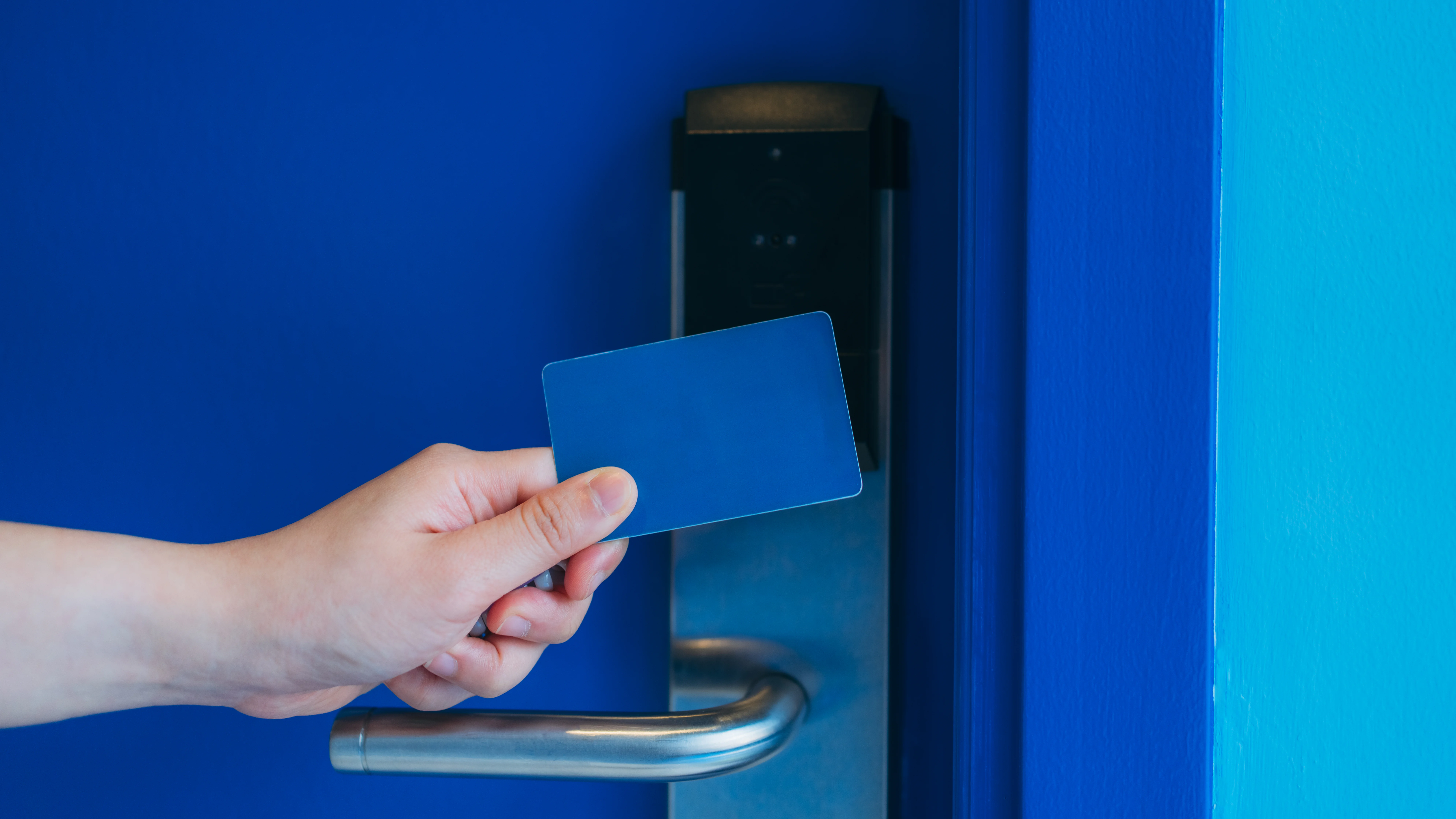
You get flexible credentials. Employees can use key cards, key fobs, PIN codes, or mobile credentials on their phones. Temporary access for contractors or delivery drivers gets issued instantly and expires automatically. When someone leaves your company, you deactivate their credential in seconds instead of rekeying locks.
You get detailed activity logs. Every time someone enters, the system records who, when, and which door. If something goes missing or an incident happens, you have a digital trail. This matters for Essington businesses that need compliance documentation or simply want accountability.
You get scalability. Essington’s commercial real estate market includes 51,212 square feet of industrial property and 37 commercial listings. As your business expands to additional buildings, floors, or access points, your system grows with you. Adding new doors or users doesn’t require a complete overhaul.
You also get integration. Modern building access control systems connect with security cameras, alarm systems, and even time-tracking software. One platform manages your entire security setup instead of juggling multiple disconnected systems.
Cost depends on how many doors you’re controlling, what type of credentials you want, and whether you need cloud-based or on-premise software. A basic system for a single door with a card reader starts around $1,500 to $2,500 installed. Multi-door systems for larger facilities can run $3,000 to $10,000 or more depending on complexity.
You’re paying for hardware like readers, locks, and controllers, plus installation labor and software licensing. Cloud-based systems typically charge monthly or annual fees for software access and updates. On-premise systems have higher upfront costs but lower ongoing fees.
Don’t forget to factor in maintenance. Electronic locks and readers need occasional service, and software requires updates to stay secure. The good news is that access control systems eliminate rekeying costs, reduce security staffing needs, and prevent losses from unauthorized access. Most businesses see a return on investment within a couple of years just from not having to rekey locks every time an employee leaves.
Most modern commercial access control systems let you manage everything remotely through a web browser or mobile app. You can add or remove users, change access schedules, lock or unlock doors, and review entry logs from anywhere with an internet connection.
This is especially useful if you manage multiple locations or need to grant access outside business hours. A contractor shows up early and you’re not there yet? Unlock the door from your phone. An employee leaves unexpectedly? Deactivate their credential immediately without driving to the office.
Cloud-based systems make remote management easier because there’s no on-site server to maintain. Your data syncs automatically and you get software updates without manual installations. On-premise systems can also support remote access, but they require more IT setup and maintenance. Either way, you’re not tied to your desk to control who gets into your building.
Most door access control systems include battery backup that keeps readers and locks functioning during power outages. The backup typically lasts several hours, which covers most temporary outages. When power returns, the system resumes normal operation without losing any programming or access logs.
If your internet connection drops, it depends on whether you have a cloud-based or on-premise system. On-premise systems continue working locally because the controller and readers don’t rely on internet connectivity for basic access control. You just can’t manage the system remotely until internet returns.
Cloud-based systems usually cache credentials locally at each reader or controller, so authorized users can still get in even when the internet is down. You won’t be able to make changes remotely or see real-time logs until connectivity returns, but your doors stay secure and functional. Once internet is restored, the system syncs all activity logs automatically so you don’t lose any data.
A single-door installation typically takes half a day. Multi-door systems for larger buildings can take one to three days depending on how many access points you’re adding, whether we need to run new wiring, and how complex your user permissions are.
The timeline also depends on your existing door hardware. If your doors already have compatible locks and proper power supplies nearby, installation goes faster. If we need to replace locks, add electric strikes, or run conduit for wiring, that adds time.
We schedule installations to minimize disruption to your business. Most work happens during off-hours or in phases so your operations aren’t interrupted. After the physical installation is complete, we spend time programming the system, testing every door, and training your team. You’re not waiting weeks to start using the system. Once it’s installed and tested, you’re controlling access immediately.
It depends on what you currently have. Many commercial doors can be retrofitted with electronic access control without replacing the entire door or frame. We assess your existing hardware during the site visit to determine what’s compatible and what needs upgrading.
Standard commercial doors with cylindrical or mortise locks can usually accept electric strikes or magnetic locks. If your doors are older or residential-grade, you might need to upgrade to commercial-grade hardware first. Glass doors, overhead doors, and gates each have specific access control solutions designed for those applications.
The goal is to work with what you have whenever possible to keep costs down. Sometimes that means adding an electric strike to your existing lockset. Other times it means replacing the lock entirely with an integrated electronic lock. We’ll tell you exactly what’s needed during the assessment so there are no surprises. The good news is that most Essington commercial buildings have door hardware that’s compatible with modern access control systems.
Yes. That’s one of the biggest advantages of modern building access control systems. You’re not locked into your initial setup. As you expand to new locations, add floors, or hire more employees, the system scales with you.
Adding new users is simple. You create a new credential, assign access permissions, and issue the card or mobile credential. It takes a few minutes. Adding new doors requires installing additional readers and controllers, but the software and infrastructure you already have supports expansion without starting over.
Cloud-based systems make scaling even easier because there’s no physical server capacity to worry about. You’re just adding devices to your existing account. On-premise systems can also expand, but you might need to upgrade your server or controller capacity if you’re adding many doors.
For Essington businesses operating in growing commercial sectors, this flexibility matters. You’re not outgrowing your security system every few years. You’re investing in a platform that adapts as your business changes.