
Hear from Our Customers
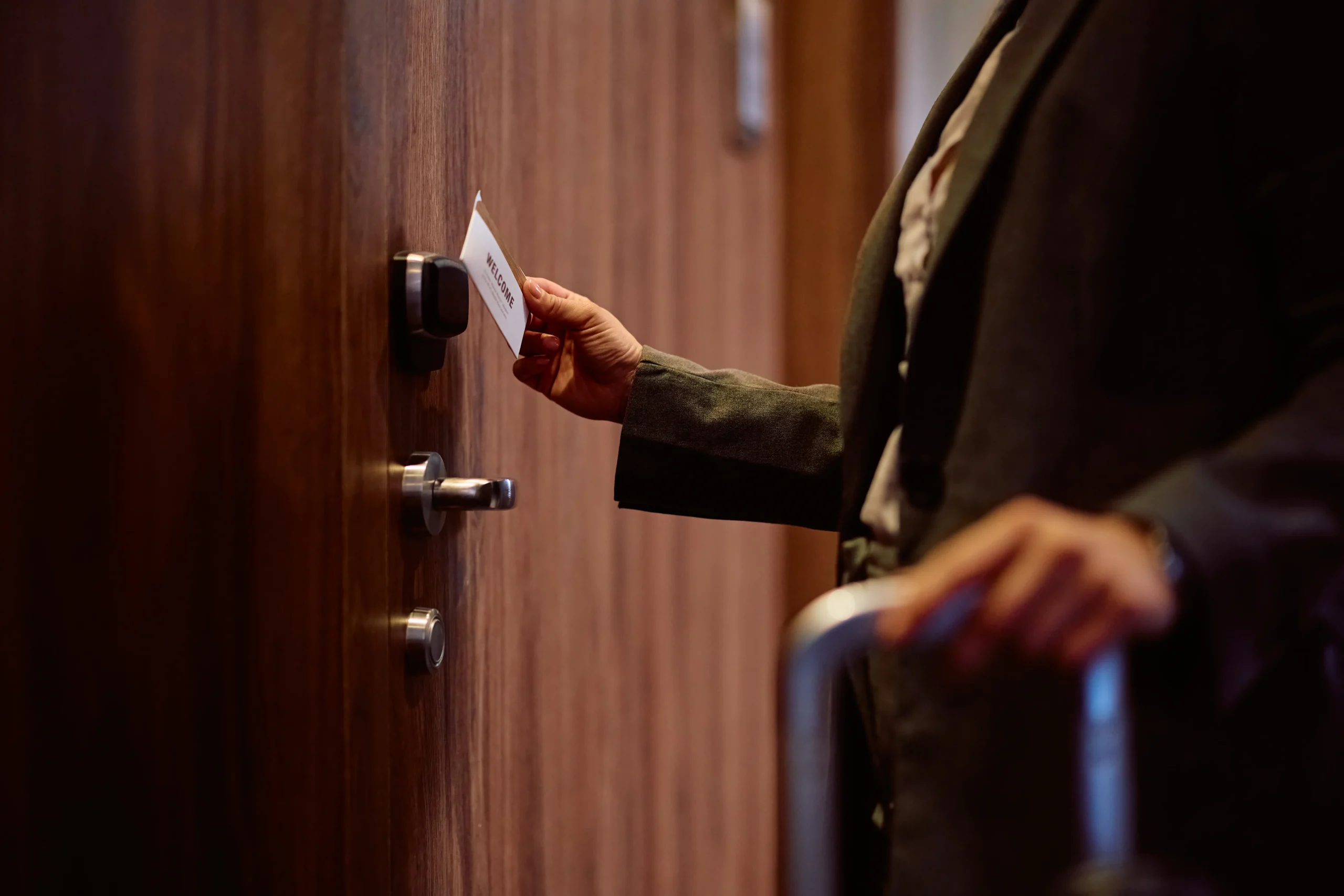
You’re not looking for security theater. You need to know who accessed what door at 2 a.m. last Tuesday. You need employees to stop propping open back doors because they forgot their keys again. You need a system that logs everything, alerts you when something’s off, and doesn’t require a PhD to manage.
That’s what modern building access control systems do. They replace the chaos of lost keys, copied cards, and “I’ll just leave it unlocked” with actual accountability. Remote management means you can grant or revoke access from your phone while you’re at lunch. Real-time alerts mean you know about problems before they become expensive ones.
The right door access control system cuts down on the small fires you’re constantly putting out. No more rekeying locks when someone quits. No more wondering if that contractor still has a key from three years ago. Just clean, trackable access that makes your building more secure without making your life more complicated.
McCausland Lock Service has been handling security in Delaware County since the 1800s. That’s not a typo. Tom McCausland learned this trade from his father, who learned it from his father, going back to when Charles McCausland Senior first picked up the tools.
We run the largest locksmith operation in the Delaware Valley from our Prospect Park storefront. That means we stock what you need, we know the buildings in Eddystone and the surrounding area, and we’ve seen every access control challenge your facility might throw at us. When your neighbor recommends McCausland, they’re recommending 140+ years of showing up when we say we will and doing the work right the first time.

We start with a walk-through of your building. Not a sales pitch—an actual assessment of where you need readers, which doors get the most traffic, and what level of security makes sense for your operation. You tell us about your pain points, and we map out a system that addresses them.
Once you approve the plan, we schedule the installation around your business hours. Most commercial access control systems go in without shutting down your operation. We mount the readers, run the wiring, connect everything to your network or cloud platform, and program the system based on who needs access to what.
Then we train your team. You’ll know how to add new employees, deactivate old credentials, pull reports, and troubleshoot basic issues. We don’t disappear after installation—if something breaks or you need to expand the system later, we’re the same people who installed it. You’re not calling a 1-800 number three states away.
Ready to get started?
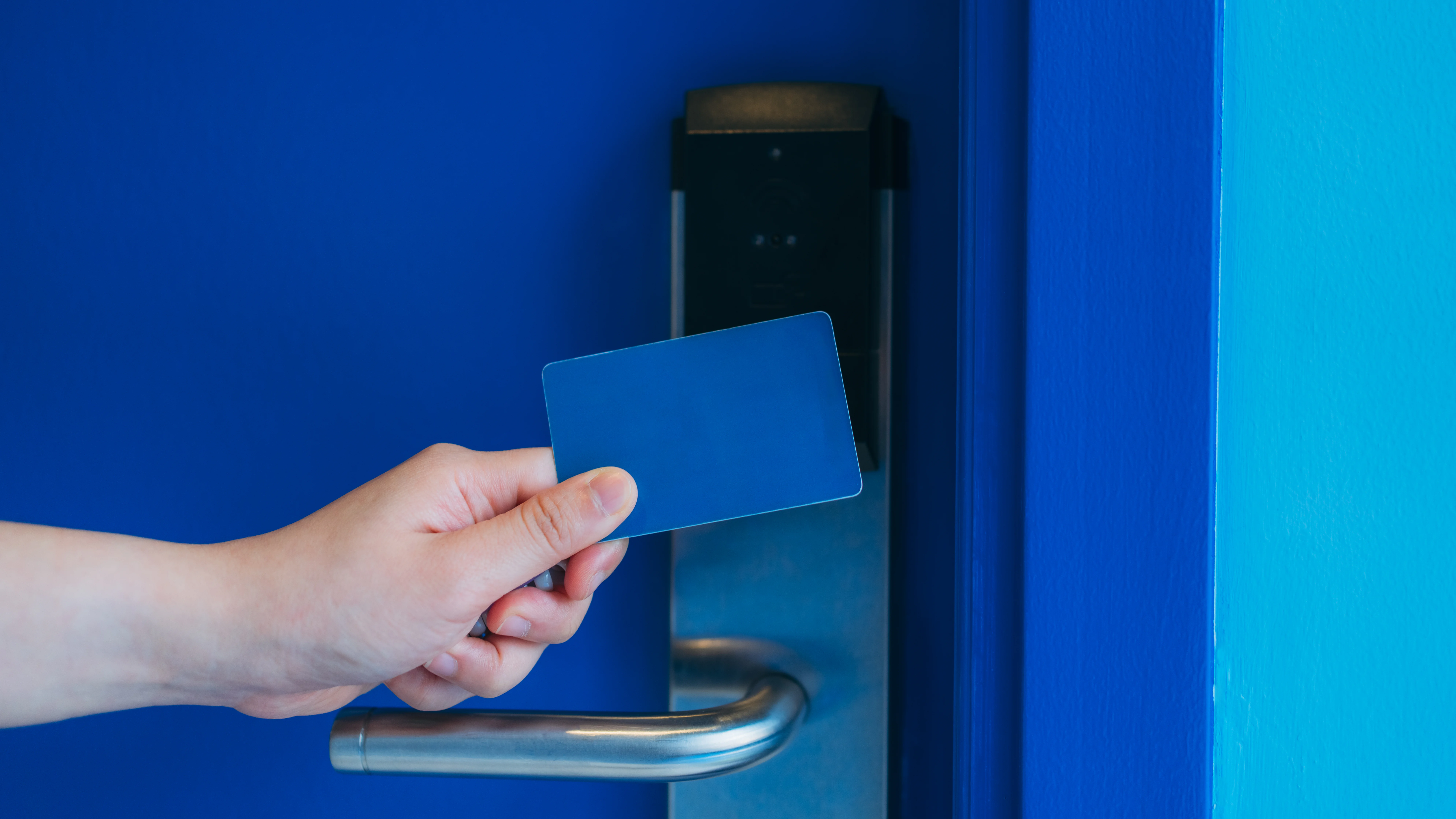
Access control system installation means different things depending on your building. For some Eddystone businesses, it’s keycard readers on exterior doors and a simple cloud platform to manage employees. For others, it’s biometric scanners, integrated CCTV, multi-building coverage, and tiered access levels that restrict sensitive areas to specific personnel.
We handle the full scope: door hardware upgrades if your current locks won’t integrate, network configuration, mobile credential setup if you want phone-based access, and integration with your existing security cameras. Delaware County businesses are increasingly moving toward touchless entry and remote management—especially after realizing how much time they waste managing physical keys.
The systems we install are scalable. Start with your main entrance and add more doors later. Upgrade to facial recognition or mobile credentials when your budget allows. The infrastructure we put in today won’t box you in tomorrow. And because we’re local to Delaware County, adding on doesn’t mean starting from scratch with a new vendor who doesn’t know your setup.

It depends on how many doors you’re securing and what level of control you need. A basic keycard system for two or three doors might run a few thousand dollars. A full building setup with biometric readers, mobile credentials, and integration with your security cameras will cost more.
Here’s what drives the price: number of access points, type of credentials (keycards, fobs, mobile, biometric), whether you want cloud-based or on-premises management, and how much integration you need with existing systems. Most Eddystone businesses see ROI pretty quickly—between reduced rekeying costs, lower insurance premiums, and fewer security incidents.
We give you a real quote after walking your building. No ballpark guesses, no surprise charges later. You’ll know exactly what you’re paying for and why it costs what it costs.
You can absolutely manage it yourself. Modern cloud-based access control systems are built for business owners and office managers, not IT departments. Adding a new employee takes about 60 seconds. Revoking access when someone leaves takes even less.
The interface is usually simpler than your email. You log in, create a credential, assign it to specific doors, set the access schedule, and you’re done. Want to let the cleaning crew in only between 6 p.m. and midnight? Two clicks. Need to see who accessed the back warehouse at 3 a.m. last Friday? Pull the report.
We train you on everything during installation. If you get stuck later, you can call us. But most of our Eddystone clients rarely need help once they’ve used the system for a week or two. It’s designed to be intuitive because the companies building these platforms know you have better things to do than troubleshoot software.
Most commercial access control systems have battery backup built into the door hardware. If you lose power, the readers stay active for several hours—sometimes days, depending on the system. Your doors don’t automatically unlock, and your access logs don’t disappear.
If your internet goes down and you’re using a cloud-based system, the readers keep working based on the last credentials they received. You won’t be able to add new users or pull reports until connectivity comes back, but your existing employees can still get in. On-premises systems aren’t affected by internet outages at all.
We install systems with redundancy in mind. That means backup power, offline functionality, and fail-secure or fail-safe configurations depending on your building code requirements. You tell us what your priorities are—keeping people out during an outage or making sure they can get out—and we configure the hardware accordingly.
For a small office with two or three doors, we’re usually done in a day. Larger buildings with multiple access points, integrated cameras, and complex access rules might take several days. We schedule installations in phases if you can’t afford downtime.
The timeline depends on your building’s existing infrastructure. If you’ve got network drops near every door and modern hardware that integrates easily, it goes faster. If we’re running new wiring, upgrading door strikes, or retrofitting old doors that weren’t built for electronic access, it takes longer.
We give you a realistic timeline upfront. No “we’ll be done by Tuesday” promises that turn into next Friday. Most Eddystone businesses are back to normal operations the same day we start, even if we’re working in phases. We’re not tearing your building apart—we’re adding hardware that works with what you already have.
Yes, and you should. When your access control system talks to your CCTV, you get a complete picture of what’s happening. Someone badges in at 2 a.m.? The system can automatically pull up the camera feed for that door so you can verify it’s actually them and not someone using a stolen credential.
Integration also helps with investigations. If something goes missing, you can cross-reference access logs with video footage to see exactly who entered the area and when. Most modern systems integrate pretty easily—especially if your cameras and access control are both IP-based.
We handle the integration during installation. You’re not coordinating between two different vendors or trying to figure out why the systems won’t talk to each other. We make sure everything works together before we leave, and we show you how to use the combined system to actually improve your security instead of just collecting more data you’ll never look at.
No. One of the biggest advantages of modern access control systems is scalability. Start with basic keycard readers and upgrade to mobile credentials later. Add biometric scanners to sensitive areas without touching the rest of the system. Expand from one building to five without ripping everything out.
The key is installing infrastructure that supports future upgrades. We use hardware and platforms that aren’t locked into one technology. That means when mobile credentials become standard—which they are quickly—you’re not stuck replacing every reader in your building.
Most Delaware County businesses start smaller than they think they need to and expand as they see the value. That’s fine. We’d rather you start with a system you’ll actually use than oversell you on features you don’t need yet. When you’re ready to add on, we already know your building and your setup. No learning curve, no starting over.