
Hear from Our Customers
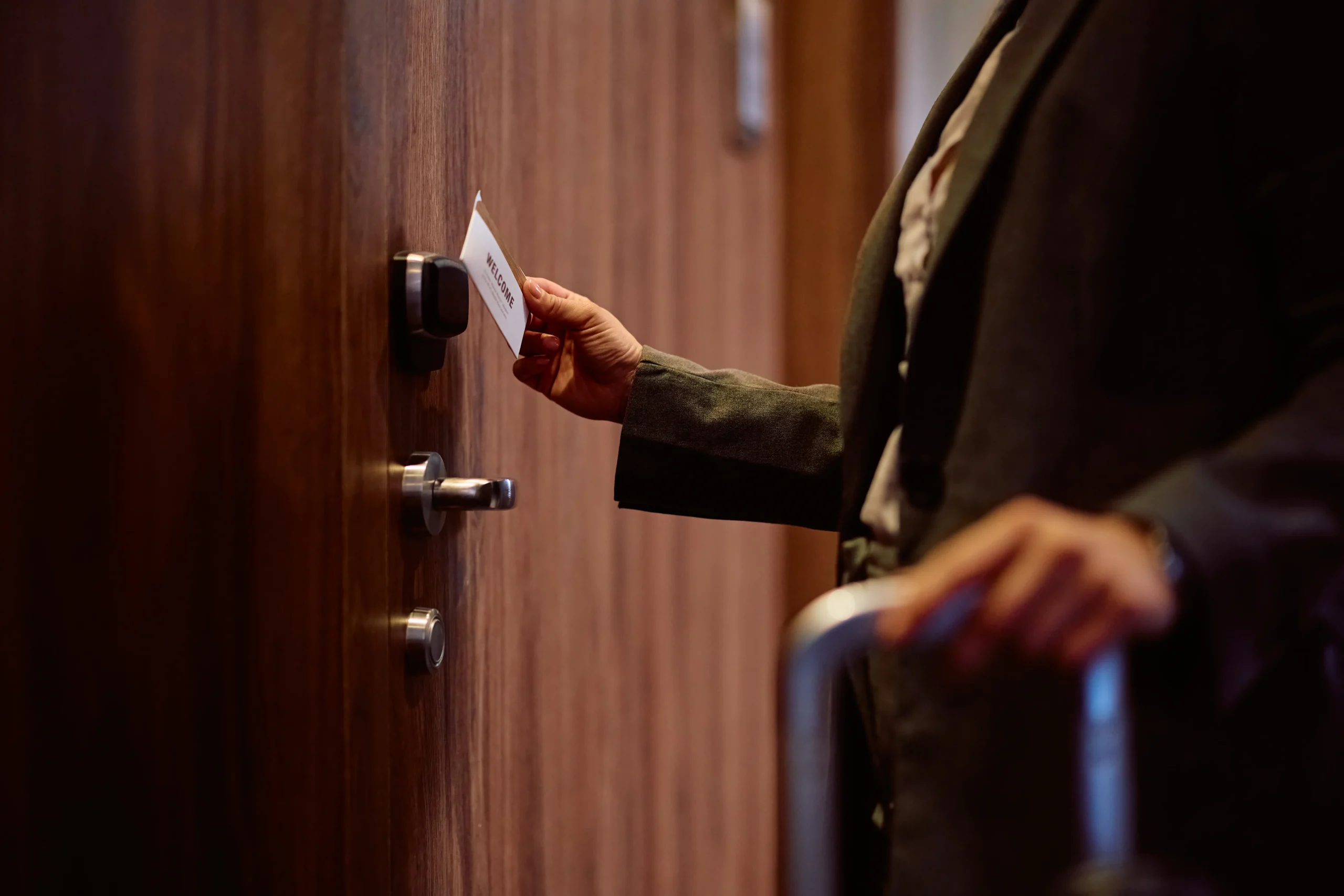
When you install a modern access control system, you’re not just replacing locks. You’re eliminating the constant worry about lost keys, unauthorized entry, and who’s coming and going when you’re not there.
Your employees get in when they’re supposed to. Contractors and vendors get limited access to specific areas during specific hours. And when someone leaves your company or loses their credentials, you revoke their access remotely in seconds instead of spending hundreds re-keying your entire building.
You also get a digital record of every entry. That means if something goes missing or an incident occurs, you know exactly who was in that area and when. No guessing. No assumptions. Just facts.
The right door access control system doesn’t just lock doors. It gives you visibility, accountability, and the ability to manage your entire facility from your phone or computer.
We’ve been securing businesses in Collingdale and throughout Delaware County since the late 1800s. We’re now in our fourth generation, with Tom McCausland and his daughter Chrissy running the largest locksmith operation in the Delaware Valley from our Prospect Park storefront.
That longevity isn’t just a nice story. It means we’ve seen every type of security challenge a business can face, and we know what actually works versus what sounds good in a sales pitch.
When you call us for access control system installation, you’re working with technicians who’ve installed hundreds of systems across every type of commercial property in the area. We’re not subcontractors or a call center routing your job to the lowest bidder. We’re local, we’re accountable, and we show up when we say we will.

First, we walk through your building with you at no charge. We’re looking at your entry points, understanding your workflow, and identifying which areas need restricted access. This isn’t a sales pitch—it’s a consultation to determine what type of system actually makes sense for your operation.
Once we understand your needs, we recommend specific hardware and software. We explain what each component does, why it matters, and what it costs. You’ll know exactly what you’re getting before any work starts.
Installation typically happens during off-hours or weekends so we’re not disrupting your business. We mount card readers or keypads at each access point, install electronic locks or magnetic locks where needed, and run the wiring to connect everything to your central control panel. If you want integration with your existing CCTV or alarm system, we handle that too.
After installation, we program your system, set up user credentials, and train your team on how to manage access permissions. You’ll be able to add employees, adjust schedules, and pull entry reports without calling us every time. And if you ever need support, we’re right here in Prospect Park with a full-time storefront and technicians ready to respond.
Ready to get started?
When we install your business access control system, you’re getting more than just hardware on your doors. You’re getting a complete security infrastructure designed specifically for how your business operates.
We install card readers, keypads, or biometric scanners depending on your security level requirements. We use electronic strikes, magnetic locks, or panic bars that meet fire code while maintaining security. Every component is commercial-grade and sourced from manufacturers we’ve worked with for decades—Kwikset, Medeco, Schlage.
Your system includes centralized management software that lets you control everything from one place. Add new employees and assign their access levels in minutes. Set time-based restrictions so delivery drivers can only enter during business hours. Get instant alerts when specific doors are opened or if someone tries to use invalid credentials.
For Collingdale businesses, we often integrate gate access control systems for parking areas or loading docks alongside your door entry systems. Everything works together, giving you complete visibility across your entire property. And because we’re local to Delaware County, we understand the specific security challenges businesses face in this area—from managing multi-tenant access in mixed-use buildings to securing retail locations in high-traffic areas.
The honest answer is it depends on how many doors you need to secure and what level of control you need. A basic system for a single entry point with card readers and a simple control panel typically starts around $1,500 to $3,000 including installation.
If you’re securing multiple doors, need integration with cameras or alarms, or want advanced features like mobile credentials or biometric readers, you’re looking at more. Most small businesses in Collingdale with 3-5 access points end up in the $5,000 to $10,000 range for a complete system.
What matters more than the upfront cost is what you’re eliminating. You’re done paying for re-keys every time an employee leaves. You’re done wondering who made copies of keys. You’re done dealing with lockouts because someone forgot their key. The system pays for itself faster than most business owners expect, especially if you’ve dealt with theft or unauthorized access issues in the past.
You manage it yourself. That’s the whole point. Once we install and set up your system, you have full control through the management software on your computer or phone.
Adding a new employee takes about two minutes. You create their profile, assign which doors they can access, set their schedule if you want time restrictions, and issue their credential. When someone leaves, you delete their access instantly—no need to collect keys or call us.
You can also pull reports anytime you want to see who entered which door and when. If you need to adjust permissions, change schedules, or lock down the building remotely, you do it yourself in real time. We train you on all of this during installation, and it’s straightforward enough that most business owners get comfortable with it immediately. You only call us if you need to add new hardware, troubleshoot a technical issue, or expand the system.
Commercial access control systems have battery backup built into the control panel. If you lose power, the system keeps running for several hours—usually 4 to 8 hours depending on the battery size. Your access points stay secure and functional during that time.
For doors that need to allow emergency exit regardless of power status, we install panic bars or crash bars that let people out but don’t let anyone in without proper credentials. This keeps you compliant with fire code while maintaining security.
If there’s a system malfunction or hardware failure, you’re not locked out of your building. Most systems have override options, and we can get to you fast—we’re based right in Prospect Park and we respond to commercial emergencies in Collingdale within 20 to 30 minutes. We also use OEM parts for all installations, which means fewer failures and longer equipment life compared to cheap aftermarket components.
In most cases, yes. We can retrofit your existing doors with electronic locks or magnetic locks without replacing the entire door or frame. The goal is to work with what you have whenever possible to keep costs down.
During the initial walk-through, we assess each door to determine what’s needed. Some doors just need an electric strike installed in the existing frame. Others might need a magnetic lock mounted at the top. If you have glass doors, we use specialized hardware designed for that application.
There are situations where a door or frame is too damaged or outdated to support access control hardware safely. When that happens, we tell you upfront and explain your options. But the majority of commercial doors in Collingdale buildings—even older ones—can be upgraded to electronic access control without major construction. We’ve done this work on everything from old brick buildings in downtown to newer commercial spaces, and we know how to make it work with your existing setup.
For a small business with two or three access points, installation usually takes one full day. Larger systems with multiple doors, integration with other security systems, or complex wiring can take two to three days.
We schedule most installations during evenings or weekends so we’re not disrupting your business operations. If you need us to work during business hours, we can do that too—we just coordinate with you to minimize impact on your daily workflow.
The timeline also depends on whether we’re doing a simple retrofit on existing doors or if there’s additional work needed like running new wiring through walls or upgrading electrical. We give you a clear timeline before we start so you know exactly when the system will be operational. And once we begin, we don’t leave until everything is installed, tested, and you’re trained on how to use it.
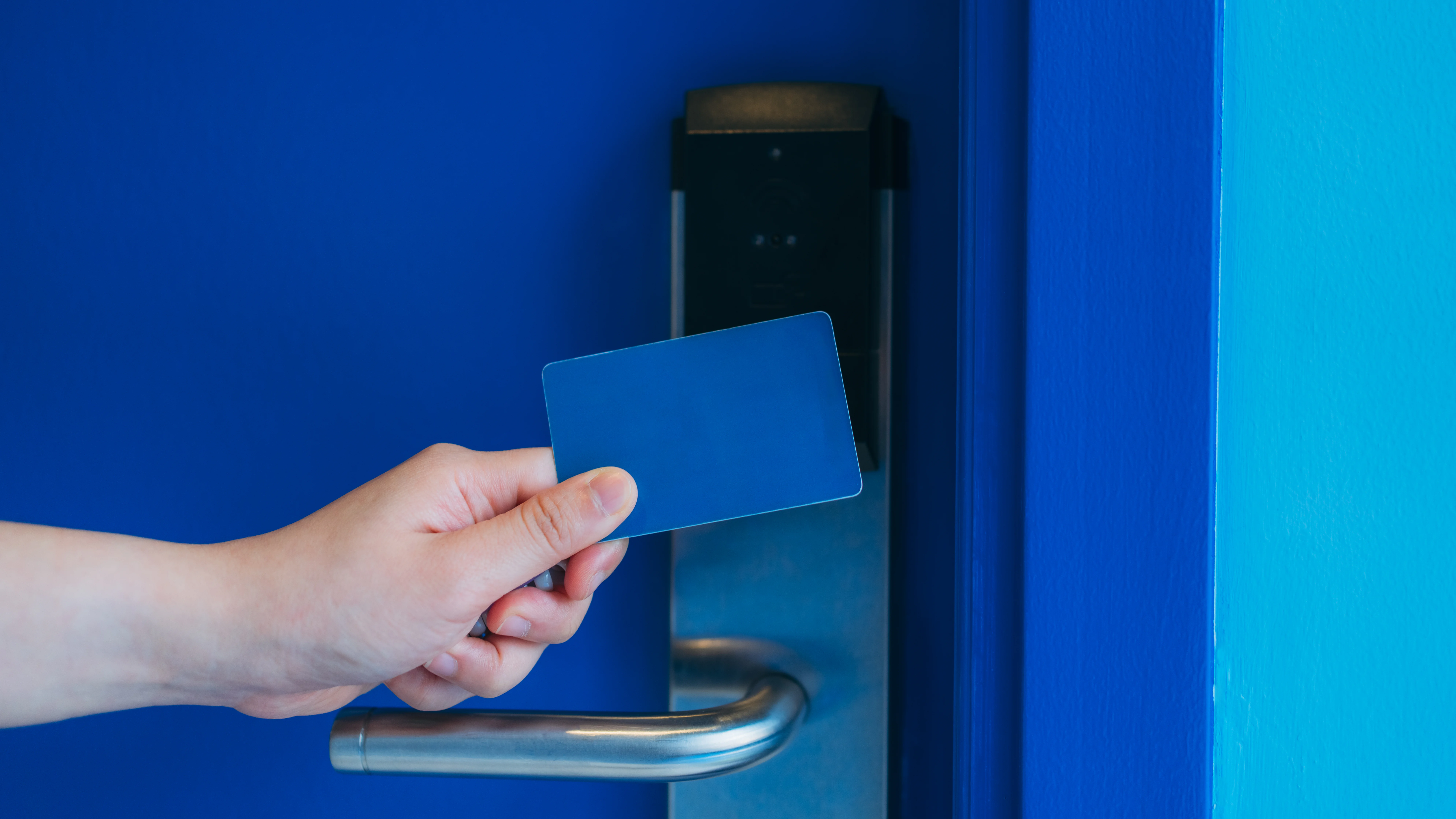
Card readers use proximity cards or key fobs that employees wave near the reader to unlock the door. They’re fast, reliable, and easy to manage. If someone loses their card, you deactivate it and issue a new one. Most businesses choose card readers because they balance security, convenience, and cost effectively.

Keypads require employees to enter a PIN code. They work well when you don’t want to manage physical credentials, but they’re less secure because people share codes or write them down. We typically recommend keypads for secondary entry points or areas where multiple people need temporary access.
Biometric systems use fingerprints or facial recognition. They’re the most secure option because credentials can’t be shared, lost, or stolen. The downside is they cost more upfront and some employees don’t like the idea of scanning their fingerprint every day. We see biometric systems most often in businesses with high security requirements—medical offices with controlled substance storage, offices with sensitive data, or businesses that have dealt with internal theft.
You can also mix and match. Use card readers at main entrances for speed, keypads at back doors for flexibility, and biometric scanners on your most sensitive areas. We help you figure out what makes sense based on your actual security needs and budget, not what’s trendy or what we make the most money installing.