
Hear from Our Customers
You don’t have time to wait three weeks for a dealership appointment or pay double for the same result. When your key fob stops working, your transponder key won’t program, or you’re locked out at the worst possible moment, you need a solution that actually fits your schedule and your budget.
That’s where mobile automotive locksmith services make sense. Instead of arranging a tow, taking time off work, and sitting in a waiting room, the service comes to you—whether that’s your driveway in Middletown, your office parking lot off Vine Street, or the side of Route 283. Most jobs wrap up in under an hour, right there on-site.
The difference isn’t just convenience. It’s about working with someone who has the right equipment for modern vehicles—transponder programming tools, laser key cutting machines, proximity fob technology—and knows how to use them on every make and model. You get a working key, a functioning ignition, or access to your locked vehicle without the dealership markup.
We’ve been solving lock and key problems since the late 1800s. That’s not a typo. Over 100 years of hands-on experience, passed down through five generations of the McCausland family. We opened our doors in Prospect Park in 1981, and today the business is run by Tom McCausland and his daughter Chrissy, continuing a family tradition that started before cars even had ignitions to worry about.
Middletown sits right in the heart of Dauphin County, where residents need reliable transportation to get to work in Harrisburg, shop in Hershey, or commute along Route 283 and Route 230. When your car key breaks or your ignition fails, you’re not just inconvenienced—you’re stuck. That’s why having a locksmith who understands the area and responds fast matters more than you might think.
First, you call or text with your situation—locked out, lost keys, ignition issue, whatever it is. You’ll get a straight answer about timing and cost right away. No runaround. Most of the time, we can be at your location in Middletown within 20 to 45 minutes, depending on where you are and what’s happening on the roads.
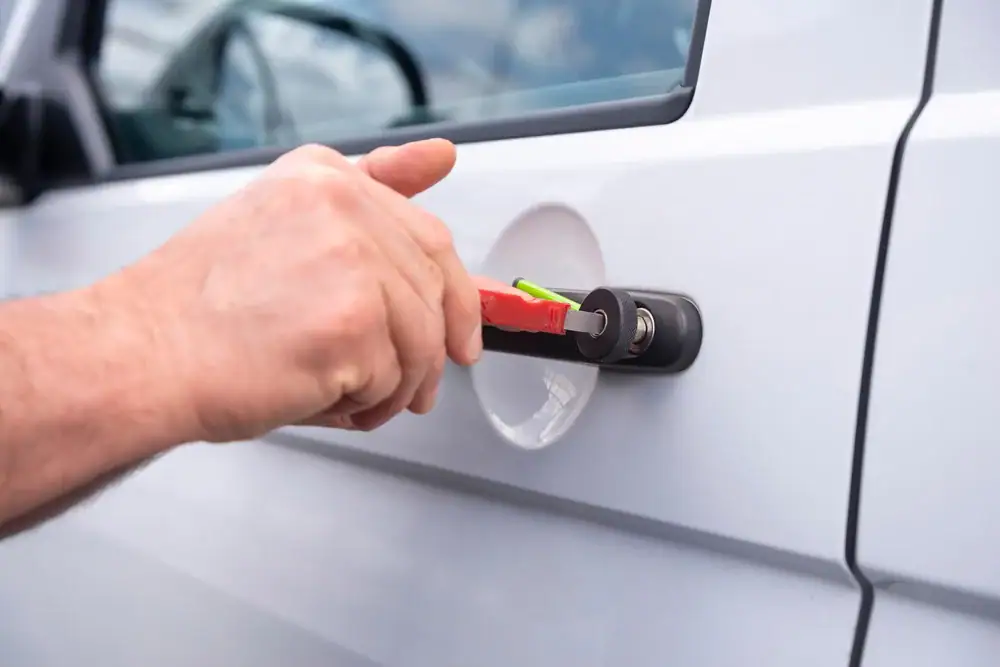
When we arrive, we’ll assess the problem and confirm what needs to happen. If it’s a lockout, we’ll use professional-grade tools to get you back in without damaging your door locks or windows. If you’ve lost your keys entirely, we can cut and program a new one on-site—even if you don’t have a single working copy. For ignition problems, we’ll determine whether it’s a worn cylinder, a stuck key, or an electrical issue, then handle the repair or replacement right there.
The whole process is mobile. No towing your car. No dropping it off somewhere and figuring out a ride home. You’re either watching it happen in your driveway or standing next to your car in a parking lot, and when the work’s done, you drive away. That’s it.
Ready to get started?
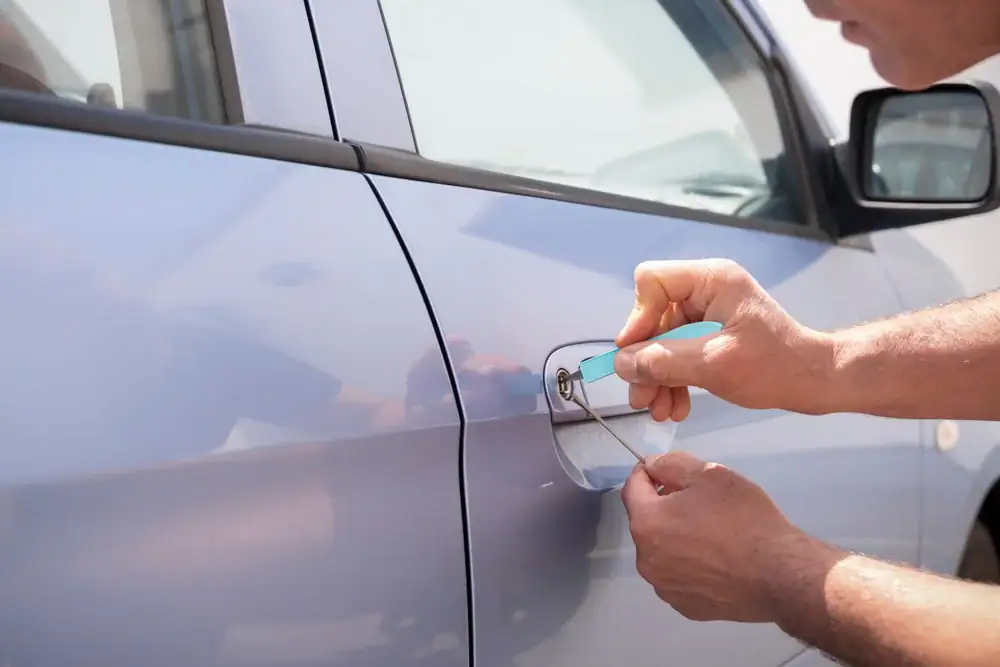
Car lockout services mean getting you back into your vehicle without breaking anything. We use specialized tools designed for your specific make and model—no coat hangers, no damage to your weather stripping or lock mechanisms. It’s clean, it’s fast, and it doesn’t leave you with a repair bill on top of the lockout.
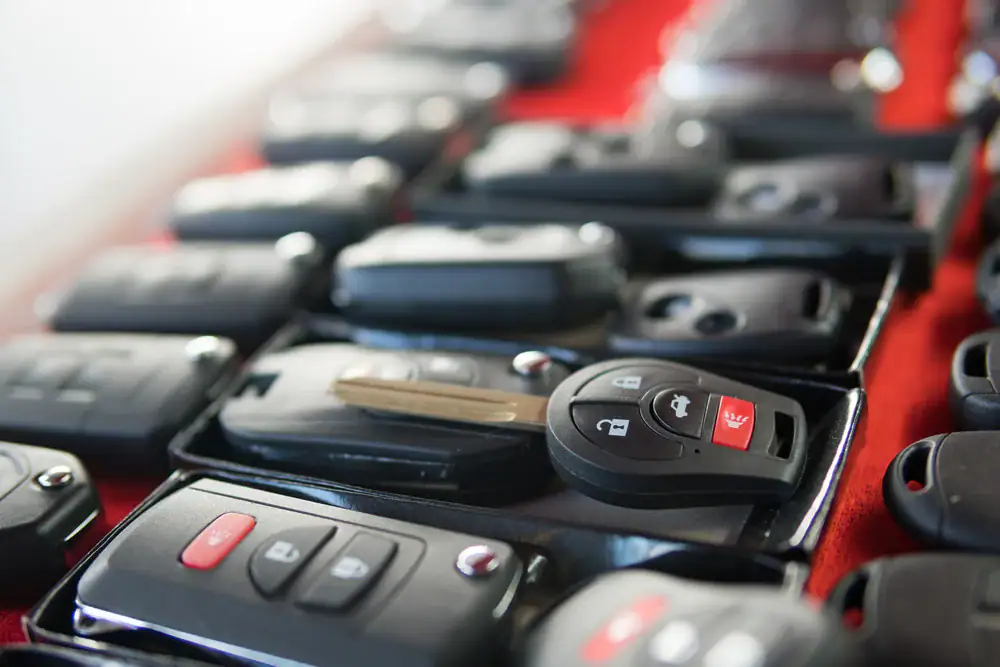
Car key programming covers transponder keys, proximity fobs, smart keys, and remote starters. Modern vehicles won’t start unless the key’s chip communicates with the car’s computer system. We have the diagnostic equipment to program that chip correctly, whether you’re adding a spare or replacing a lost key entirely. This includes laser-cut keys that require precision machinery, not just a basic key cutter.
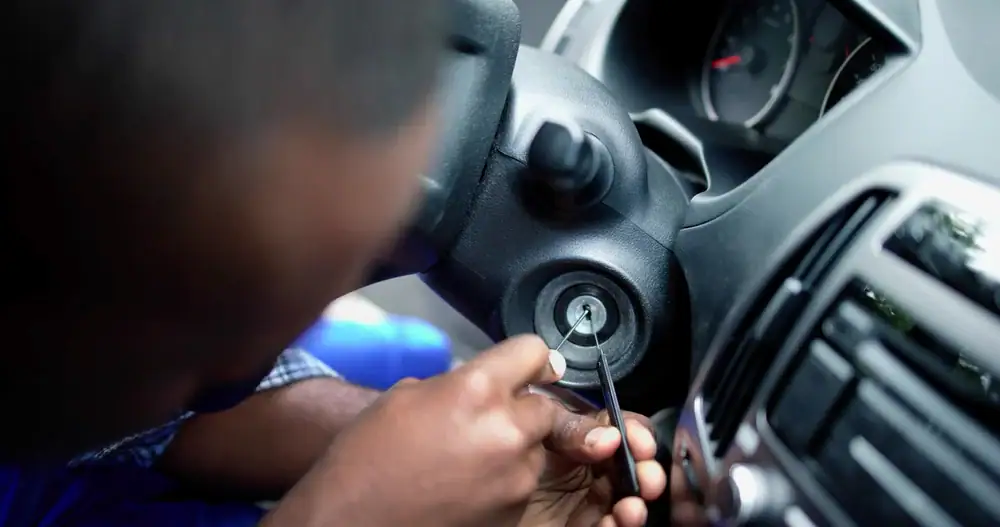
Ignition repair and replacement addresses cylinders that won’t turn, keys that get stuck, or tumblers that have worn out from years of use. Sometimes a simple cleaning and lubrication fixes it. Other times, the cylinder needs to be pulled and rebuilt, or replaced entirely. Either way, it’s done without removing your steering column or requiring dealership-level labor rates.
In Middletown, you’re looking at a mix of older vehicles and newer models with advanced security systems. Whether you’re driving through the borough to Three Mile Island or commuting to Penn State Harrisburg, both need attention from someone who understands the evolution of automotive locks—from traditional metal keys to encrypted transponder technology. That’s the baseline you should expect from any locksmith working on your car in Dauphin County.
The cost depends on your vehicle’s year, make, model, and what type of key you need. A basic spare key with a transponder chip typically runs between $120 and $250. If you’ve lost all your keys and don’t have a working copy, expect to pay more—usually comparable to making two keys, since we have to reprogram your car’s immobilizer system from scratch.
Luxury vehicles and newer models with proximity fobs or push-to-start systems cost more because the technology is more complex. The key itself is pricier, and the programming takes specialized equipment. A 2015 Honda Civic key costs less than a 2023 BMW key fob—that’s just how it works.
Location and timing also factor in. If you’re locked out at 2 a.m. on a Sunday, emergency rates may apply. If your car’s parked somewhere difficult to access, that can affect the price too. The best move is to ask for an upfront quote before any work starts, so there’s no confusion about what you’re paying for.
Yes, absolutely. This is one of the most common situations we handle. Even if you don’t have a single working key, we can create a new one from scratch using your vehicle’s VIN and proof of ownership.
Here’s what actually happens: we use your VIN to determine the correct key blank and cutting pattern for your specific vehicle. Then we cut the key and program the transponder chip to match your car’s immobilizer system. For vehicles with proximity fobs or smart keys, we’ll program those too, right there on-site. The whole process usually takes 30 minutes to an hour, depending on the complexity of your vehicle’s security system.
You’ll need to provide proof that you own the vehicle—a title, registration, or insurance card works. This protects you from someone else making a key to your car without permission. Once that’s verified, we can get to work. No towing required, no dealership appointment needed.
First, don’t force it. Yanking on a stuck key can break it off inside the cylinder, which turns a fixable problem into a bigger one. Instead, try a few basic troubleshooting steps before calling for help.
Check your steering wheel—if it’s locked, that can prevent the key from turning or coming out. Try gently turning the wheel left and right while wiggling the key. Make sure your car is fully in park (or neutral, if it’s a manual transmission). Sometimes the gear selector isn’t quite where it needs to be, and that keeps the key locked in place. If your key still won’t budge, you might be dealing with a worn ignition cylinder, debris in the lock, or internal components that have shifted or broken.
That’s when you call us. We can extract the key without damaging the cylinder, diagnose what caused it to stick, and repair or replace the ignition if needed. Trying to fix it yourself with pliers or lubricant spray usually makes things worse. Let someone with the right tools handle it—it’ll save you time and money in the long run.
Most key fob programming jobs take between 15 and 30 minutes once we arrive. The exact time depends on your vehicle’s make, model, and year—some cars have straightforward programming sequences, while others require more involved diagnostic procedures.
For example, programming a basic remote for a 2010 Ford might take 10 minutes. Programming a proximity fob for a 2022 Audi with push-to-start could take closer to 45 minutes because of the encryption and security protocols involved. We have to connect to your car’s computer system, sync the new fob, and test it to make sure everything’s working correctly.
If you’re adding a spare fob and already have a working one, that’s usually faster. If you’ve lost all your fobs and need to start from scratch, it takes a bit longer because the system has to be reset. Either way, it’s done on-site while you wait. You’re not leaving your car anywhere or coming back later to pick it up.
No, you don’t. Dealerships want you to think they’re the only option, but that’s not how it works anymore. We have the same programming equipment, the same key blanks, and the same technical knowledge—often with faster service and lower prices.
Dealerships typically charge $300 to $600 for key replacement services that we can do for $120 to $300. They also make you schedule an appointment, sometimes weeks out, and require you to tow your car to their lot if you can’t drive it. We come to you, usually the same day, and handle everything on-site.
The only time a dealership might be necessary is if your vehicle has an extremely rare security system or if you’re dealing with a warranty issue that specifically requires dealership service. For 95% of car key and ignition problems, a qualified locksmith is the faster, cheaper, and more convenient choice. Your car doesn’t care where the key came from, as long as it’s cut and programmed correctly.
A regular key is just a piece of metal cut to match your car’s lock. A transponder key has a microchip embedded inside the plastic head that communicates with your car’s immobilizer system. Without that chip sending the right signal, your car won’t start—even if the key is cut perfectly.
This technology was introduced in the mid-1990s to reduce car theft. The chip has a unique code that matches your vehicle’s computer. When you put the key in the ignition and turn it, the car reads the chip. If the code matches, the engine starts. If it doesn’t, nothing happens. You can’t just copy a transponder key at a hardware store—it has to be programmed to your specific vehicle.
Most cars made after 1995 use transponder keys. Newer vehicles have evolved even further, with proximity fobs and smart keys that don’t even need to be inserted into the ignition. But the principle is the same: the key has to communicate electronically with the car, and that requires programming equipment that only locksmiths and dealerships have. The difference is that we bring that equipment to you and charge a lot less for the service.