Smart locks are changing how homeowners in Delaware County and Philadelphia protect their properties. Here's what you need to know about modern lock technology.
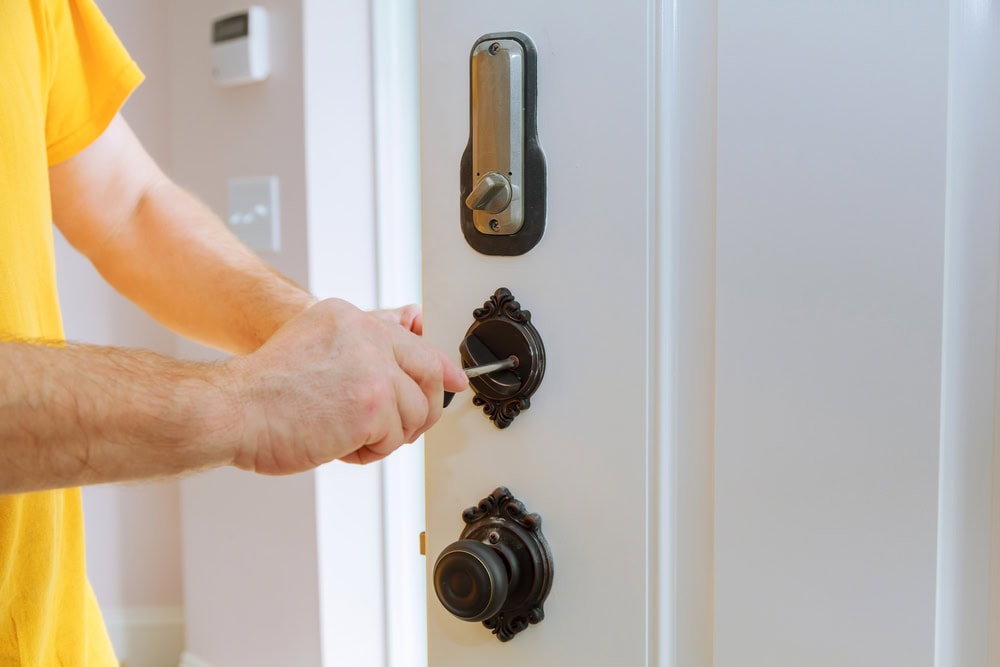
Professional smart lock installation typically replaces your existing deadbolt with modern home security hardware. Most smart locks fit into the same holes already drilled in your door, which means the installation process is straightforward. We remove your old lock, install the new smart lock hardware, set up the electronic components, and test everything to make sure it works properly. For businesses looking to enhance overall security beyond entry points, integrating solutions like commercial security camera systems can provide additional protection and monitoring.
The whole process usually takes between 20 minutes and an hour, depending on your door type and the specific lock model you’ve chosen. You don’t need any special wiring or electrical work because smart locks run on batteries. Most batteries last anywhere from six months to a year before needing replacement, and the lock will alert you when power is running low. For commercial properties, combining smart access control with advanced surveillance systems creates a more comprehensive security setup.
What makes professional installation worth it is the expertise. We ensure your lock is compatible with your door, mounted securely, and configured correctly. We’ll also show you how to use all the features, set up access codes, and connect the lock to your smartphone or smart home system if that’s part of your setup. When paired with reliable video monitoring solutions, your property benefits from both secure access and real-time visibility.
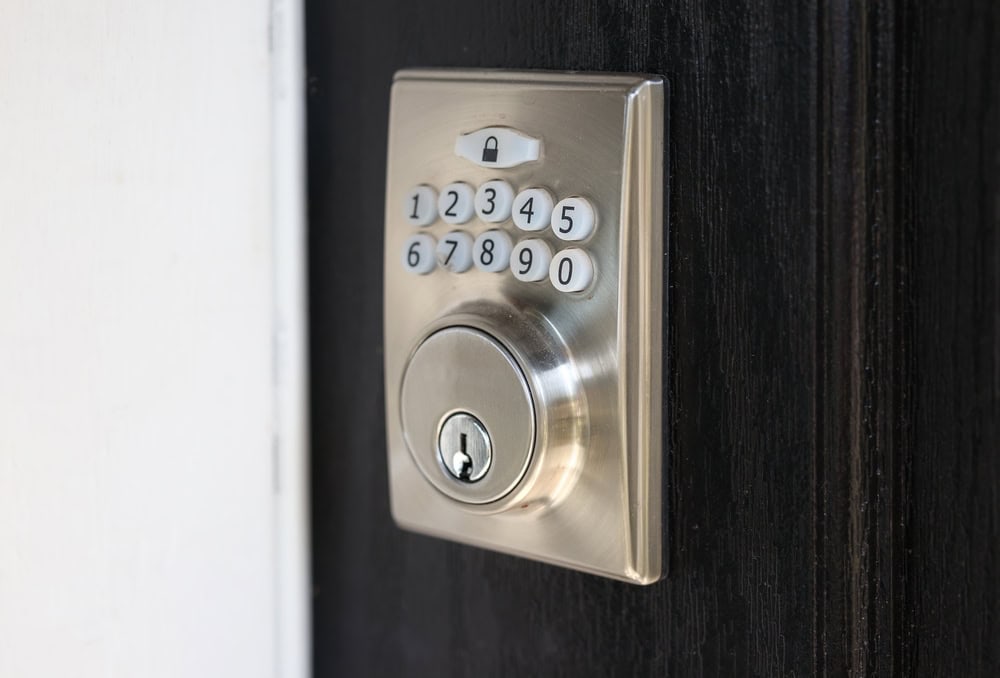
Smart locks come in several varieties, each with different access methods and features. Understanding the options helps you choose what actually makes sense for your situation.
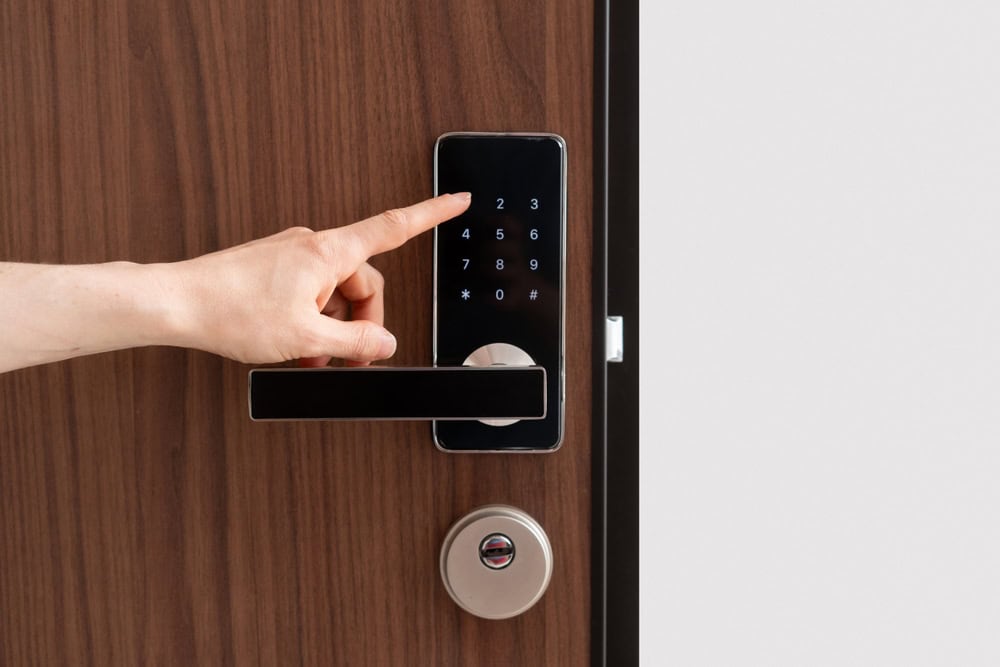
Keypad smart locks let you unlock your door by entering a code on a numbered touchpad. No keys required. You can create multiple codes for different family members, change codes whenever you want, and set up temporary codes for guests or service providers. The codes work whether you’re home or not, and you don’t need your phone to use them. This is the most straightforward type of electronic lock and tends to be the most affordable option.
Biometric smart locks use fingerprint recognition to unlock your door. You register your fingerprints in the system, and then you simply touch the sensor to get in. Modern fingerprint sensors are remarkably fast and accurate, with recognition times under half a second and accuracy rates above 99 percent. The benefit here is that fingerprints can’t be lost, forgotten, or easily duplicated. Most biometric locks also include backup access methods like keypads or physical keys in case the sensor has issues.
Smartphone-controlled locks connect to your phone via Bluetooth or WiFi. You can lock and unlock your door from the app, even when you’re not home if the lock has WiFi capability. These locks often include additional features like activity logs that show you who unlocked the door and when, automatic locking after a set period, and the ability to grant virtual access to other people through the app. Many integrate with voice assistants like Alexa or Google Assistant, letting you lock your door with a voice command.
Some smart locks combine multiple access methods. You might have a lock with both a fingerprint sensor and a keypad, or a keypad lock that also connects to your phone. These combination systems give you flexibility and backup options if one method isn’t working or isn’t convenient in a particular situation.
The key is matching the lock type to how you actually use your doors. If you have kids who might forget codes, fingerprint access makes sense. If you frequently need to let people in remotely, WiFi connectivity becomes important. If you just want to stop carrying keys, a basic keypad lock does the job.
Professional smart lock installation in Pennsylvania typically costs between $150 and $425, including both the lock hardware and the labor. The final price depends on which lock you choose and how complex the installation is.
Basic keypad locks with no WiFi or smartphone connectivity tend to be on the lower end of that range. These straightforward systems are easy to install and don’t require any additional setup beyond programming your access codes. Mid-range locks with Bluetooth or WiFi connectivity cost more because of the added technology and the time needed to configure the wireless connection and app integration. High-end biometric locks with fingerprint sensors, or locks that integrate with comprehensive smart home security systems, sit at the upper end of the price range.
Labor costs from a professional locksmith generally run between $50 and $150 per hour, with most installations taking less than an hour. Some locksmiths charge a flat service call fee instead of hourly rates. The benefit of professional installation is that you’re paying for expertise, not just labor. We ensure compatibility with your door, proper mounting that won’t damage your property, correct configuration of all features, and verification that everything works as intended before we leave.
You can install many smart locks yourself if you’re comfortable with basic tools and following detailed instructions. DIY installation saves you the labor cost but puts the responsibility on you to handle any compatibility issues, troubleshooting, or problems that come up during setup. For most homeowners, professional installation provides peace of mind that the lock is installed correctly and securely.
It’s also worth considering the long-term value. A properly installed smart lock can last for years with minimal maintenance, eliminates the cost of rekeying when keys are lost, and may even reduce your homeowner’s insurance premiums since homes with security systems are statistically less likely to be burglarized.
Want live answers?
Connect with a McCausland Lock Service expert for fast, friendly support.
Delaware County and Philadelphia County have seen their share of property crime over the years. Philadelphia County’s burglary rate sits at about 1.3 per 1,000 residents, with over 6,000 burglary cases reported in the city last year. Organized burglary rings have specifically targeted homes in the Philadelphia suburbs, including Delaware County.
Most break-ins happen through doors, not windows. About 65 percent of forced entries occur through front, rear, or garage doors. This makes your door locks a critical part of your home security. Smart locks address several vulnerabilities that traditional locks can’t handle.
First, they eliminate the risk of lost or stolen keys. Traditional keys can be copied without your knowledge, lost and found by the wrong person, or stolen during a break-in to facilitate future access. With a smart lock, there’s no physical key to lose or copy. If you need to revoke someone’s access, you simply delete their code or fingerprint from the system rather than rekeying your entire lock.
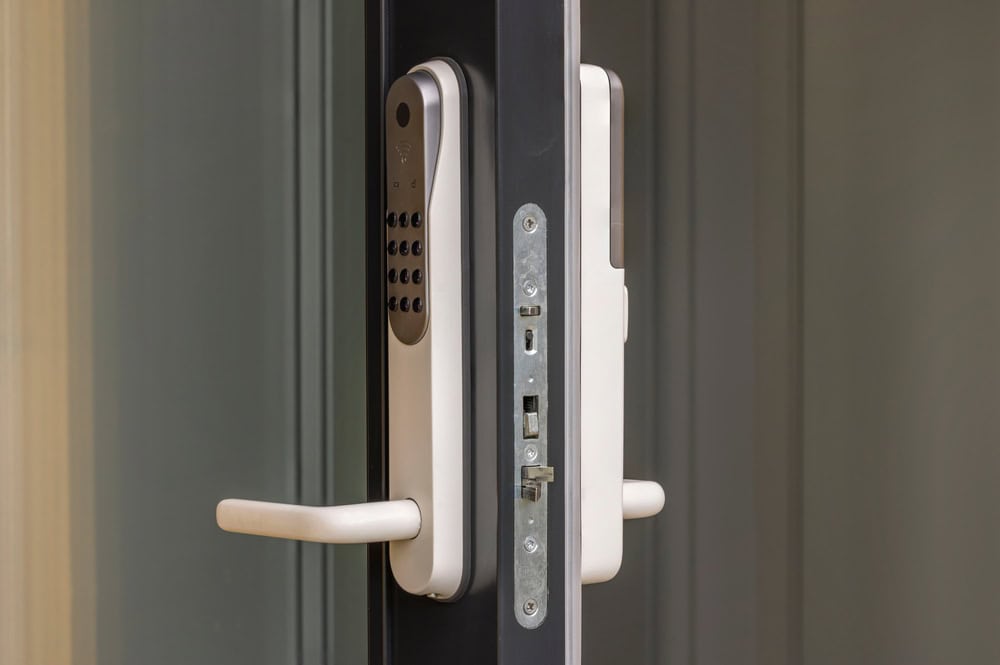
One of the most practical security features of modern smart locks is remote access and monitoring. If your lock has WiFi connectivity, you can check whether your door is locked from anywhere, lock it remotely if you forgot, and receive notifications when someone unlocks the door.
This visibility matters more than you might think. You know when your kids get home from school. You can verify that the contractor you hired actually showed up when they said they would. If you get an alert that your door was unlocked at 2 AM when everyone should be asleep, you know immediately that something’s wrong.
Activity logs create a record of every time your lock is used, who used it, and what method they used to unlock it. This isn’t about surveillance; it’s about awareness. You can see patterns, identify unusual activity, and have documentation if something does go wrong. If someone claims they never entered your home, but the activity log shows their access code was used, you have concrete information.
Remote access also solves practical problems. You can let in a delivery person to drop a package inside rather than leaving it on your porch. You can grant temporary access to a house sitter or pet sitter without giving them a physical key they might lose or forget to return. You can unlock the door for a family member who forgot their code without leaving what you’re doing to drive home and let them in.
The security benefit here is control. You decide who has access, when they have access, and for how long. You can create access codes that only work during specific hours or that expire after a set period. You can delete access immediately if someone no longer needs entry. Traditional locks don’t give you this level of control without physically rekeying the lock or changing the hardware.
Smart locks don’t have to work in isolation. Many modern electronic locks PA homeowners install integrate with comprehensive home security systems, smart home platforms, and other connected devices to create layered security.
When your smart lock connects to your home security system, it can trigger other actions. Unlocking your front door might automatically disarm your alarm system, turn on your entryway lights, and adjust your thermostat. Locking your door at night could activate your security cameras and arm your alarm. These integrations create a more responsive security environment that adapts to how you actually use your home.
Voice control through Alexa, Google Assistant, or similar platforms adds another layer of convenience. You can lock all your doors with a voice command before bed, check lock status by asking your voice assistant, or include door locking in automated routines that run at specific times. This makes security easier to maintain consistently, which is often the bigger challenge than the security technology itself.
Smart locks also work well with video doorbells and security cameras. When someone approaches your door, your camera captures video. When they unlock the door, your smart lock records who accessed it and when. Together, these systems give you a complete picture of activity at your entrances. You’re not just seeing who’s at your door; you’re seeing who entered, how they entered, and when it happened.
The key to effective integration is choosing compatible systems. Not all smart locks work with all platforms. Some require specific hubs or bridges to connect to your home network. We can help you understand what works together and what doesn’t, saving you the frustration of buying equipment that won’t communicate properly.
For Delaware County homeowners concerned about property crime, this layered approach provides real security. No single device makes your home impenetrable, but multiple systems working together create significant obstacles for potential intruders while making security more convenient for you.
Smart lock technology has matured significantly. The options available in 2026 are more reliable, more secure, and easier to use than earlier generations. The question isn’t whether smart locks work; it’s which one makes sense for your specific situation.
Consider how you actually use your doors, who needs access, and what features matter most to you. If you have young kids, fingerprint access might be more practical than codes they’ll forget. If you travel frequently, remote access and monitoring become more valuable. If you just want to stop carrying keys, a basic keypad lock solves that problem without additional complexity.
Professional installation ensures your lock works correctly from day one. We’ve been serving Delaware County and Philadelphia County since the 1800s, bringing four generations of locksmith expertise to every installation. Whether you’re upgrading a single door or securing your entire home, experienced installation makes a difference in how well your security system performs and how long it lasts.
The investment in smart lock installation pays off in convenience, security, and peace of mind. You’ll wonder why you carried keys for so long.
Summary:
Article details:
Share: