Your key fob stopped working, and you're weighing your options. Should you try programming it yourself, order an aftermarket replacement online, or call a professional?
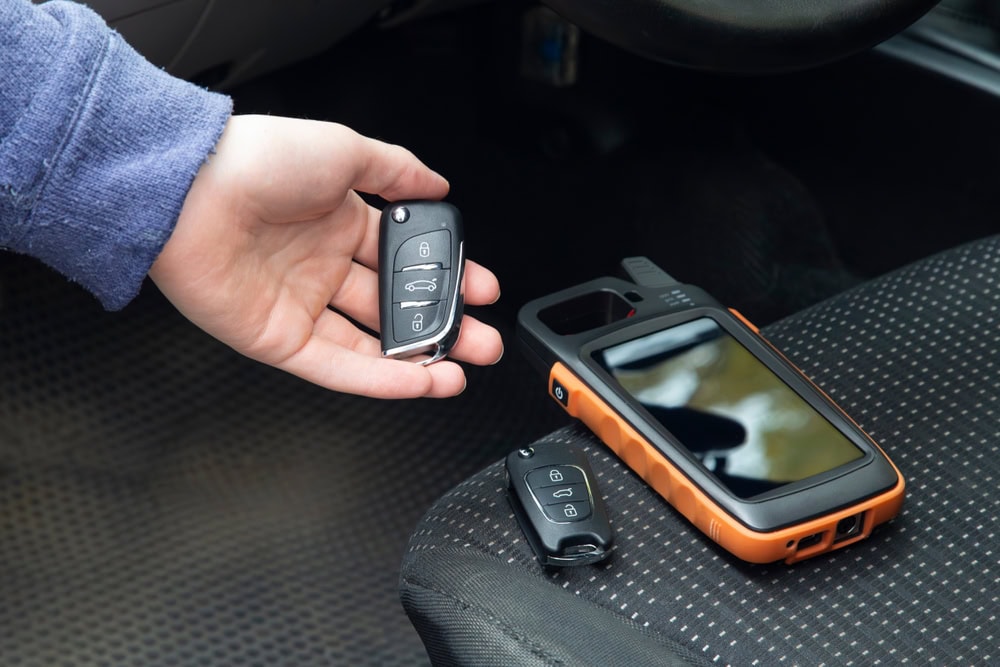
Automotive key fob programming is the process of syncing a new or replacement key fob with your vehicle’s onboard computer system. Think of it as teaching your car to recognize a specific key as authorized. Without proper programming, even a perfectly cut key won’t start your engine or unlock your doors.
Most vehicles built after the mid-1990s use transponder keys—keys with a small electronic chip embedded in the plastic head. When you insert the key or press the start button, this chip sends a unique code to your vehicle’s immobilizer system. If the code matches what’s stored in your car’s computer, the engine starts. If it doesn’t match, nothing happens.
The programming process connects that unique code to your specific vehicle. It’s not universal. A programmed key fob from another car, even the same make and model, won’t work in yours.
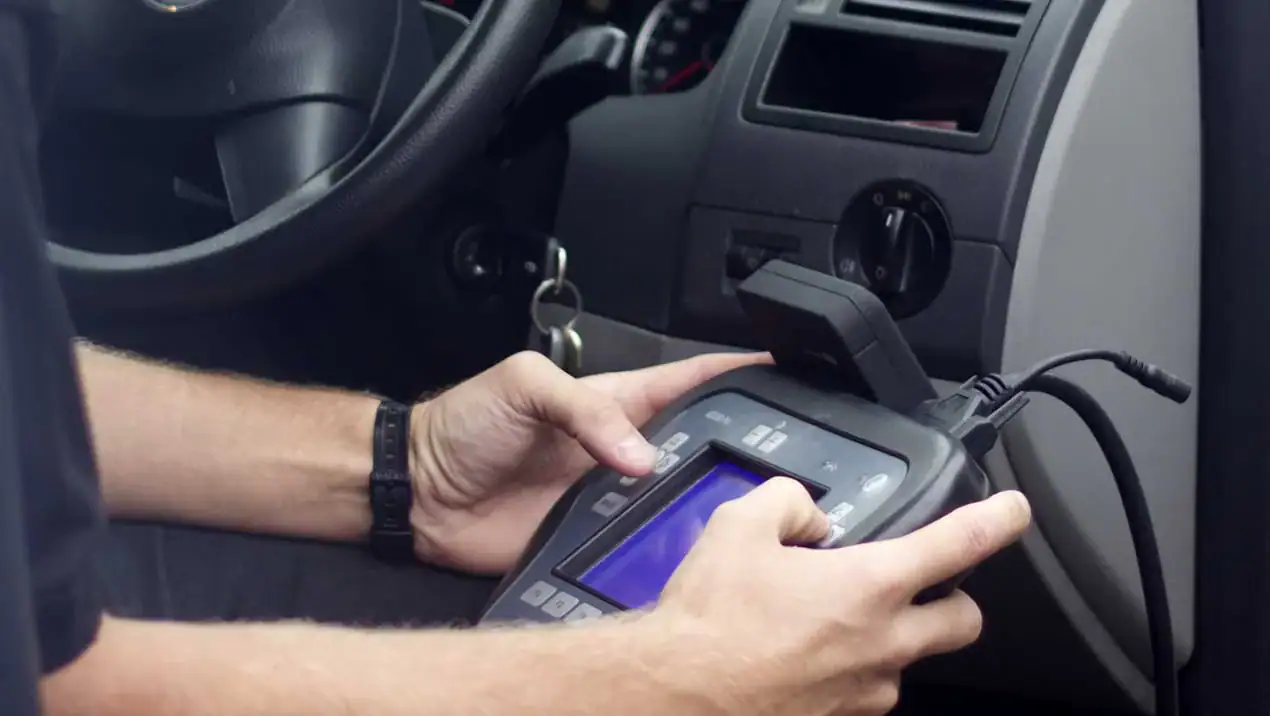
We use specialized diagnostic tools that connect directly to your vehicle’s onboard computer through the OBD-II port. This port is typically located under your dashboard on the driver’s side. Once connected, the diagnostic tool communicates with your vehicle’s body control module and immobilizer system.
The process starts by accessing your vehicle’s existing key data. Our equipment reads what codes are already programmed into your car’s system. If you’re adding a spare key, those existing codes stay active. If you’ve lost all your keys, the system gets cleared and reprogrammed from scratch.
Next comes the actual programming. The new key fob gets inserted or scanned, and our equipment writes the correct authorization code to the transponder chip. This code has to match your vehicle’s specific requirements—the make, model, year, and sometimes even the trim level matter.
The final step is verification. We test the newly programmed key to make sure it unlocks the doors, disarms the alarm, and starts the engine. This entire process typically takes just a few minutes when done with professional equipment. The vehicle model and manufacturer determine the exact method, but the core principle stays the same: creating a secure digital handshake between your key and your car.
Some older vehicles allow basic programming using a sequence of ignition turns and button presses. You might find instructions online claiming you can do it yourself. Sometimes that works. But most modern vehicles use encrypted systems that require professional equipment. Attempting DIY programming on these vehicles can accidentally erase all existing key codes, which means none of your keys will work—not even the ones that were functioning before you started.
When you need a replacement key fob, you’ll face a choice: Original Equipment Manufacturer (OEM) parts or aftermarket alternatives. The price difference can be significant—aftermarket fobs often cost $50 or less, while OEM fobs can run $150 to $300 or more. That price gap makes aftermarket options tempting, but there are real tradeoffs you should understand before buying.
OEM key fobs are manufactured by the same company that made your original key. They’re designed specifically for your vehicle’s make, model, and year. They use the correct radio frequency, typically 315MHz for most vehicles, and they’re built with higher-quality materials and electronic components. OEM fobs are already programmed to be compatible with your particular vehicle model, which makes the programming process more straightforward. They also come with warranties, usually 12 months minimum.
Aftermarket key fobs are produced by third-party manufacturers. They’re designed to be universal, meaning one fob might claim to work with multiple vehicle makes and models. The problem is that “universal” often means “takes more time and effort to program”—and sometimes means “doesn’t work correctly even after programming.” Many aftermarket fobs use different radio frequencies than your vehicle expects. If your car uses 315MHz and the aftermarket fob uses 433MHz, it simply won’t communicate with your vehicle no matter how many times you try to program it.
The quality difference shows up in daily use. Aftermarket fobs often have buttons that don’t function to OEM standards. The signal range may be shorter, meaning you have to be closer to your vehicle for the fob to work. The materials are typically lower quality, so the fob may break sooner than expected. Some aftermarket fobs lose their programming randomly, leaving you locked out without warning.
There’s also a security consideration. OEM fobs include advanced immobilizer electronics that work with your vehicle’s anti-theft system. Aftermarket fobs may not support all of those security features, potentially making your vehicle more vulnerable to theft. For vehicles with proximity sensors, remote start, or other advanced features, aftermarket fobs often can’t replicate the full functionality.
The real cost of an aftermarket fob isn’t just the purchase price. Factor in the potential for compatibility issues, the possibility of needing to buy a second fob when the first one doesn’t work, and the shorter lifespan. An OEM fob that costs more upfront but lasts the life of your vehicle often delivers better value than a cheap aftermarket option that fails within months.
Want live answers?
Connect with a McCausland Lock Service expert for fast, friendly support.
YouTube tutorials and online forums make DIY key fob programming look simple. Turn the ignition on and off a specific number of times, press some buttons, and you’re done. For some older vehicles, that actually works. For most modern vehicles, it doesn’t—and the consequences of a failed attempt can be expensive.
The most common DIY failure happens when people accidentally erase all existing key codes from their vehicle’s computer. This occurs when you enter programming mode but don’t complete the sequence correctly. Your car’s security system interprets the incomplete sequence as a reset command, wiping out every programmed key in its memory. Suddenly, none of your keys work. Not the new one you were trying to program, and not the original keys that were functioning perfectly before you started.
Timing is critical during key fob programming. Most vehicles exit programming mode automatically if they detect even a short delay between steps. You might have five seconds to remove one key and insert another, or ten seconds to press a specific button. Miss that window by even a second or two, and the programming fails. Try again without resetting the system properly, and you risk corrupting the data in your vehicle’s computer.

Not every vehicle supports onboard key fob programming. Many modern vehicles integrate the remote locking function with an immobilizer system that uses encrypted transponder authentication. These systems can’t be programmed using simple ignition cycles and button presses. They require specialized diagnostic tools that connect to your vehicle’s OBD-II port.
Luxury vehicles almost always fall into this category. Mercedes, BMW, Audi, and similar manufacturers use proprietary technology that ensures only authorized dealers and professional locksmiths with the right equipment can program keys. Even some mainstream vehicles from Honda, Toyota, Subaru, and other manufacturers have moved to systems that require professional programming, especially for models from 2015 onward.
The programming equipment we use costs thousands of dollars and requires regular software updates to stay current with new vehicle models. These tools can read your vehicle’s VIN, access the immobilizer system, generate the correct authorization codes, and program new keys without erasing existing ones. They can also handle situations where you’ve lost all your keys, which is nearly impossible to resolve through DIY methods.
If you have a push-button start system, your vehicle almost certainly requires professional programming equipment. The same goes for proximity keys that unlock your doors when you approach the vehicle. These advanced systems use rolling code technology that changes the authorization code with each use, making them extremely difficult to duplicate or program without specialized tools.
Attempting DIY programming on vehicles that require professional equipment doesn’t just fail—it can damage your vehicle’s immobilizer system. Incorrect programming sequences can corrupt the data in your car’s computer, potentially requiring expensive repairs to restore functionality. We have the knowledge and tools to program these systems safely and correctly the first time.
Even when you do everything right, key fob programming can still fail for reasons that aren’t immediately obvious. Understanding these common problems helps you avoid them—or recognize when you need professional help.
Dead or weak batteries cause more programming failures than any other issue. Even a brand new key fob might have a battery that’s been sitting on a shelf for months, losing charge. The battery might have just enough power to light up the LED indicator when you press a button, but not enough to transmit a signal strong enough for your vehicle’s receiver to register during programming. Always replace the battery with a fresh one before attempting to program a key fob.
Signal interference can prevent successful programming even when everything else is correct. If you’re trying to program a key fob in a parking garage, near a cell tower, or close to other electronic devices, those signals can interfere with the communication between your fob and your vehicle. Move to an open area away from buildings and other vehicles before attempting programming.
Water damage is a silent killer of key fobs. If you’ve dropped your fob in water or gotten it wet, the internal circuit board may be corroded even if the fob appears to work normally. Corrosion prevents proper communication during programming. If you suspect water damage, have the fob professionally inspected before attempting to program it.
Physical damage to the key fob can also prevent successful programming. Cracks in the housing, loose buttons, or damaged battery terminals all interfere with the fob’s ability to transmit the correct signal. Inspect your key fob carefully before programming. If you see any damage, repair or replace it first.
Some vehicles have limits on how many keys can be programmed to the system. If your car’s computer already has the maximum number of keys stored, you’ll need to erase one of the old keys before programming a new one. We can identify this issue and resolve it, but DIY attempts will simply fail without explanation.
Loss of programming can happen spontaneously, especially with aftermarket key fobs. The fob might work perfectly for weeks or months, then suddenly stop communicating with your vehicle. This happens when the fob loses synchronization with your car’s security system, often due to low battery voltage or interference. Professional programming creates a more stable connection that’s less likely to fail randomly.
When you need automotive key fob programming, you have three main options: the dealership, a professional automotive locksmith, or attempting it yourself. Each has different costs, timeframes, and success rates.
Dealerships charge the highest prices, typically $150 to $600 depending on your vehicle’s make and model. They use OEM parts and manufacturer-approved programming equipment, which guarantees compatibility. The downside is cost and convenience. You’ll need to schedule an appointment, possibly wait days for the service, and arrange transportation if you’ve lost all your keys.
Professional automotive locksmiths offer the same quality programming at a fraction of dealership prices. Mobile locksmiths come directly to your location, eliminating the need for towing. They use professional diagnostic equipment and can program keys for nearly every make and model. The key is choosing a reputable locksmith with a physical business location, proper licensing, and transparent pricing.
For residents of Delaware County and Philadelphia County, we bring over 140 years of family expertise to every automotive key fob programming job. Our combination of professional equipment, OEM parts, and mobile service delivers dealership-quality results without the dealership price tag.
Summary:
Article details:
Share: