
Hear from Our Customers
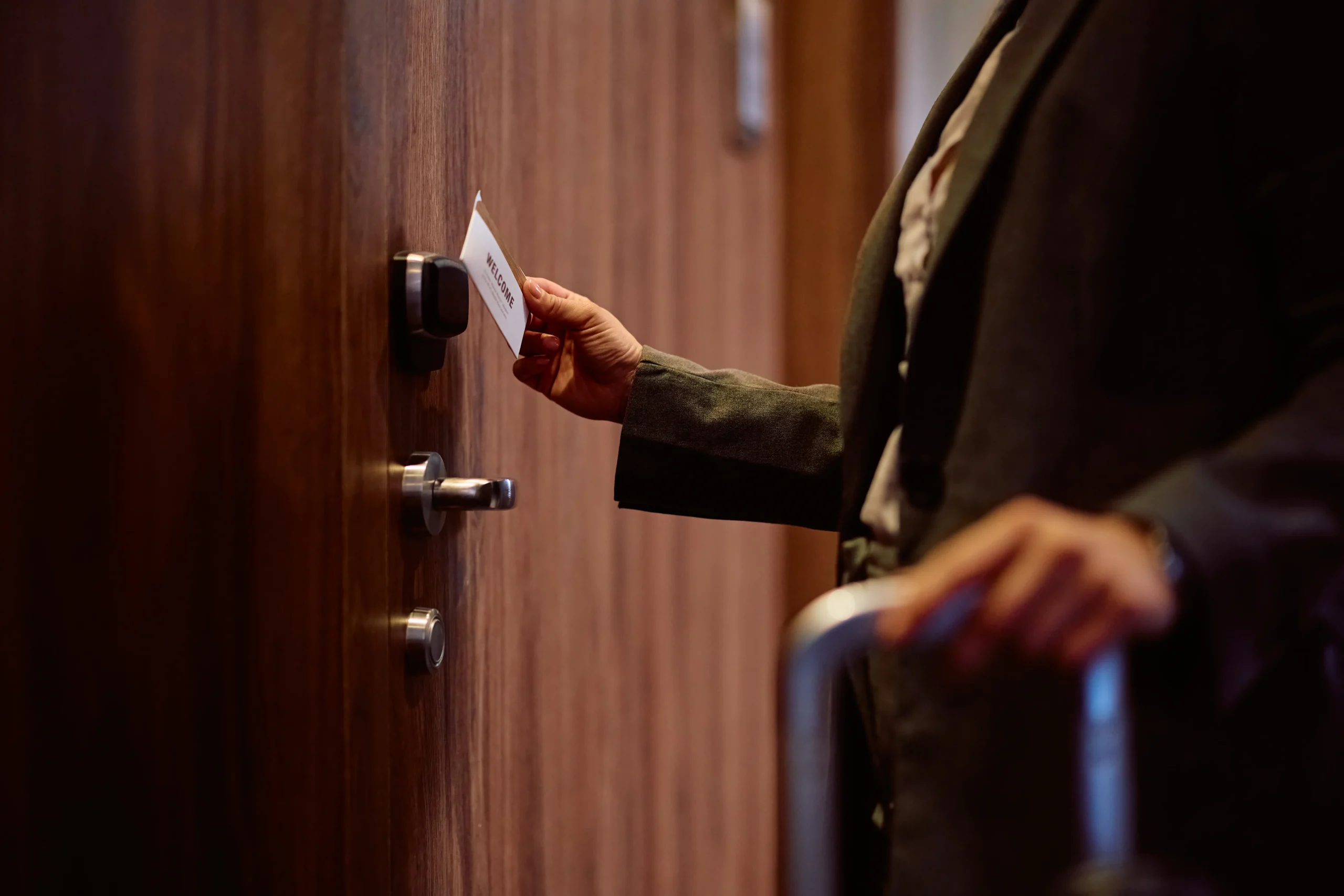
You’re not just locking doors anymore. You’re deciding who walks through them, when they can enter, and which areas they can access. That former employee who quit last month? Their credentials stopped working the minute you deactivated them. No wondering if they made copies. No emergency rekeying across multiple locations.
Philadelphia businesses lose an average of $4.45 million per security breach. Most of that comes from unauthorized access—people who shouldn’t be there, getting in because traditional locks can’t tell you who turned the key.
A building access control system gives you an audit trail. You see exactly who entered at 2 AM on Saturday. You know which employee accessed the storage room. You can pull reports for insurance claims, HR issues, or just peace of mind. That’s not possible with physical keys.
The system scales with you. Add a new office in Fishtown or expand your warehouse in Delaware County, and you’re adding access points to your existing platform—not starting over with new locks and hundreds of new keys to track.
We’ve been handling security in the Delaware Valley since the late 1800s. Tom McCausland and his daughter Chrissy run the operation now—fourth generation locksmiths who’ve seen every lock problem Philadelphia businesses face.
We’re the largest locksmith company in the area, which means we stock the parts, employ the technicians, and maintain the relationships with manufacturers like Medeco, Schlage, and Kwikset. When you need access control services, you’re not waiting on special orders or dealing with a one-person operation that’s booked out for weeks.
Our shop is in Prospect Park. We’re local, licensed (PA 013604), and we’ve installed door access control systems in office buildings, warehouses, medical facilities, and retail stores across Philadelphia and the surrounding counties. You’re working with people who know the buildings, the neighborhoods, and the specific security challenges that come with operating in this city.

We start with a site assessment at your location. Our technician walks through your building, identifies which doors need control, discusses your security priorities, and maps out where you need restrictions. This isn’t a sales pitch—it’s a technical evaluation of what will actually work for your space.
You get a quote that breaks down equipment, installation labor, and any ongoing monitoring or cloud access fees. We explain what you’re paying for and why. No surprises, no upselling you on features that don’t match your risk profile.
Installation happens on your schedule. We mount card readers, keypads, or biometric scanners at each access point. We wire them into your network or set up wireless connectivity if that’s what your building requires. We integrate the system with your existing infrastructure—CCTV, alarm systems, HR databases—so everything talks to each other.
Before we leave, we program your credentials, test every access point, and train your staff on how to add users, run reports, and manage permissions. You’re not figuring this out on your own after we’re gone. We make sure you can operate the system confidently from day one, and we’re available for support calls if something changes or you need to adjust settings down the road.
Ready to get started?
You get hardware that’s manufacturer-approved and installed correctly the first time. That means card readers, electric strikes, magnetic locks, exit devices, and control panels that meet Philadelphia building codes and fire safety regulations. We don’t cut corners on equipment because we’re the ones who get called back when cheap hardware fails.
The system includes centralized management software. You control access from one dashboard, whether you’re managing two doors or twenty buildings. You can grant temporary access to contractors, set schedules so employees can only enter during their shifts, and receive alerts when someone tries to access a restricted area.
You also get integration with your existing security setup. If you’re already running CCTV or an alarm system, we connect your access control to those platforms so you can see video footage of who entered, cross-reference alarm events with access logs, and build a complete security picture instead of managing three separate systems that don’t communicate.
Philadelphia businesses are dealing with property crime rates that are among the highest in the country. A door entry system doesn’t just lock people out—it creates accountability. When theft happens, you have data. When disputes arise, you have timestamps. When insurance asks questions, you have documentation that shows exactly who had access and when they used it.
Basic systems start around $2,500 to $5,000 for a single door or small building. That includes the hardware, installation labor, and initial programming. If you’re securing multiple entry points, adding biometric readers, or integrating with existing CCTV and alarm systems, you’re looking at higher costs—but you’re also getting more functionality and tighter security.
The price per door typically ranges from $500 to $5,000 depending on the technology you choose. A simple keypad costs less than a card reader with biometric backup. Wireless systems cost more upfront but save on installation labor if running wire through your building is complicated or expensive.
Most Philadelphia businesses see ROI within the first year. You’re cutting costs on rekeying every time an employee leaves, reducing theft losses, and often lowering insurance premiums when you can prove you have documented access controls in place. One client saved $1.8 million in a single year by preventing theft through centralized access management—that’s not typical, but it shows what’s possible when you actually know who’s entering your building.
Yes. Commercial access control systems are designed to scale. You start with the doors that matter most—main entrances, storage areas, server rooms—and add access points as your business grows or your security needs change.
The control panel and software platform can handle additional doors without requiring you to rip out what’s already installed. You’re adding hardware (readers, locks, strikes) and programming new access points into your existing system. If you open a second location, you can manage both buildings from the same dashboard as long as they’re connected to your network or cloud platform.
This is especially valuable in Philadelphia, where businesses expand into new neighborhoods or add warehouse space in Delaware County. You’re not starting over with a new security system every time you lease another building. You’re extending what you already have, keeping all your access data in one place, and managing everything from the same interface your team already knows how to use.
Most access control systems include battery backup that keeps locks functioning during power outages. The system defaults to a preset mode—either locked or unlocked depending on how you’ve configured it and what fire codes require for your building. You don’t lose security just because the power goes out.
If you’re using a cloud-based system and your internet goes down, the local control panel continues operating based on the last set of permissions it received. Employees with valid credentials can still access the building. You won’t be able to make changes remotely or see real-time access logs until connectivity returns, but the doors keep working.
For businesses that can’t afford any downtime—medical facilities, data centers, certain manufacturing operations—we can set up redundant systems with cellular backup or secondary network connections. That adds cost, but it eliminates the risk of losing access control during internet or power failures. We help you decide what level of redundancy makes sense based on what you’re protecting and what a lockout would actually cost your operation.
You issue temporary credentials that expire automatically. Most systems let you create access permissions for specific dates and times, so a contractor working on your HVAC system can enter the building Monday through Friday from 7 AM to 5 PM, and their credentials stop working after the job is done.
You can also set up escort requirements where certain users can only enter if they’re accompanied by an authorized employee. That’s useful for delivery drivers, cleaning crews, or anyone who needs building access but shouldn’t be roaming unsupervised.
The system logs every entry, so you have a record of when temporary workers actually showed up and which areas they accessed. If tools go missing or damage occurs during a contractor’s visit, you’re not guessing about who was on-site. You have timestamps and access data that show exactly when they entered and exited. That level of documentation protects you from liability issues and gives you leverage if disputes arise about work quality or missing property.
In most cases, yes. We retrofit your current doors with electric strikes, magnetic locks, or motorized deadbolts that integrate with the access control system. You’re not replacing doors unless they’re damaged or don’t meet current fire codes.
The hardware we install depends on your door type, frame material, and how the door is currently secured. Hollow metal doors, wood doors, glass doors, and aluminum storefront entries all require different mounting approaches. We assess what you have during the site visit and recommend hardware that works with your existing setup.
Some older buildings in Philadelphia have historic doors or unusual frame configurations that need custom solutions. We’ve handled installations in century-old buildings where running new wire isn’t feasible and in modern office spaces with all-glass entryways. The technology is flexible enough to work with almost any door—you just need a technician who knows how to adapt the installation to what’s already there instead of forcing a one-size-fits-all approach that doesn’t account for your building’s specific construction.
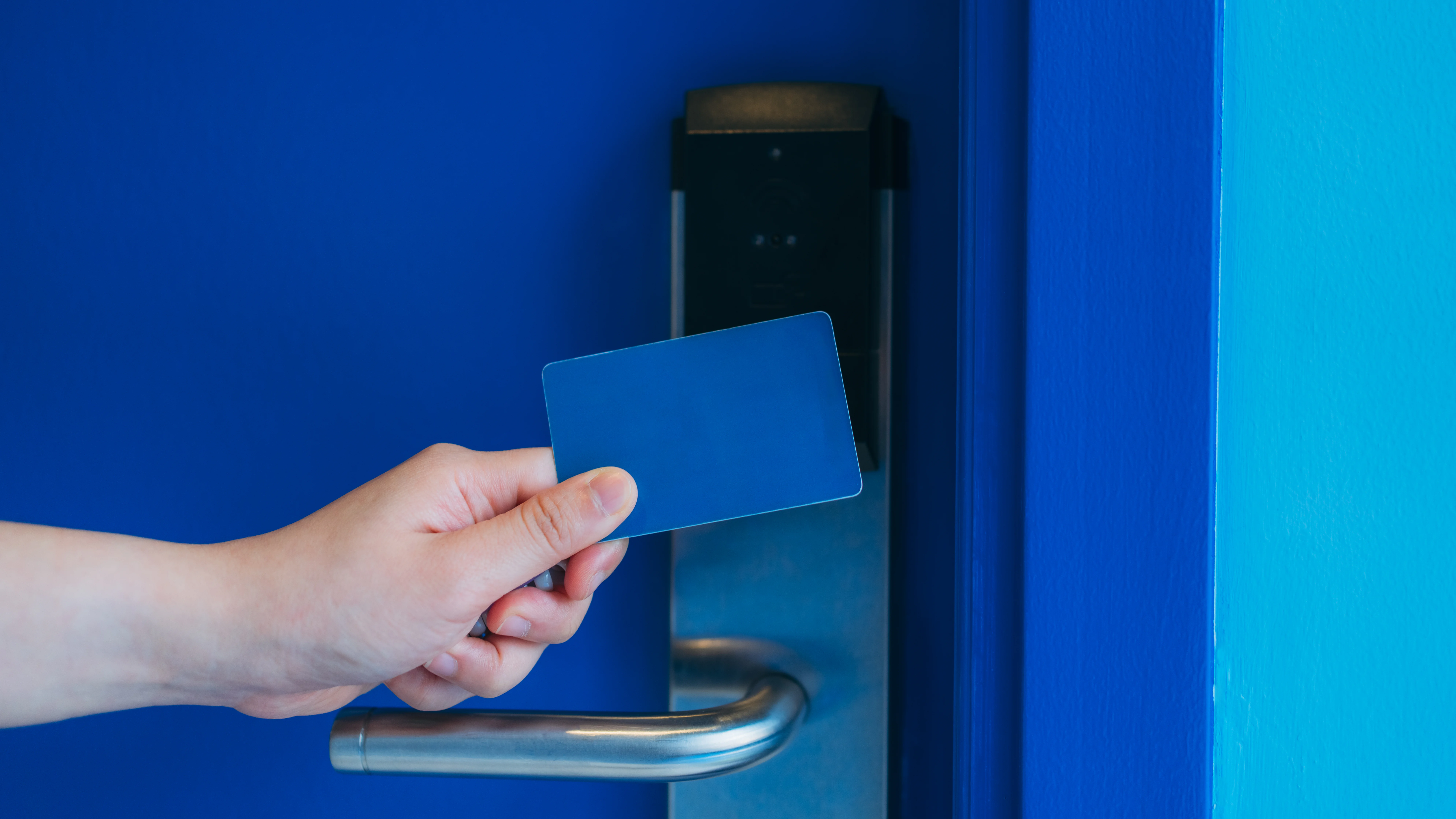

You have options: key cards, key fobs, PIN codes, smartphone credentials, or biometric readers that scan fingerprints or facial features. Most Philadelphia businesses use card or fob systems because they’re affordable, easy to manage, and employees are already used to carrying them.
Mobile credentials are becoming more popular, especially with younger workforces in neighborhoods like Fishtown and South Philly. Employees use their phones to unlock doors, which means you’re not printing and distributing physical cards. If someone loses their phone, you deactivate their credential remotely—same as you would with a lost key card.
Biometric systems cost more but eliminate the risk of shared credentials. An employee can hand their key card to someone else, but they can’t share their fingerprint. That matters in high-security environments where you need absolute certainty about who’s accessing restricted areas. We help you decide which credential type makes sense based on your security requirements, your budget, and how your employees actually work. There’s no point installing a fingerprint scanner if your staff wears gloves all day or a mobile system if half your team doesn’t carry smartphones.