
Hear from Our Customers
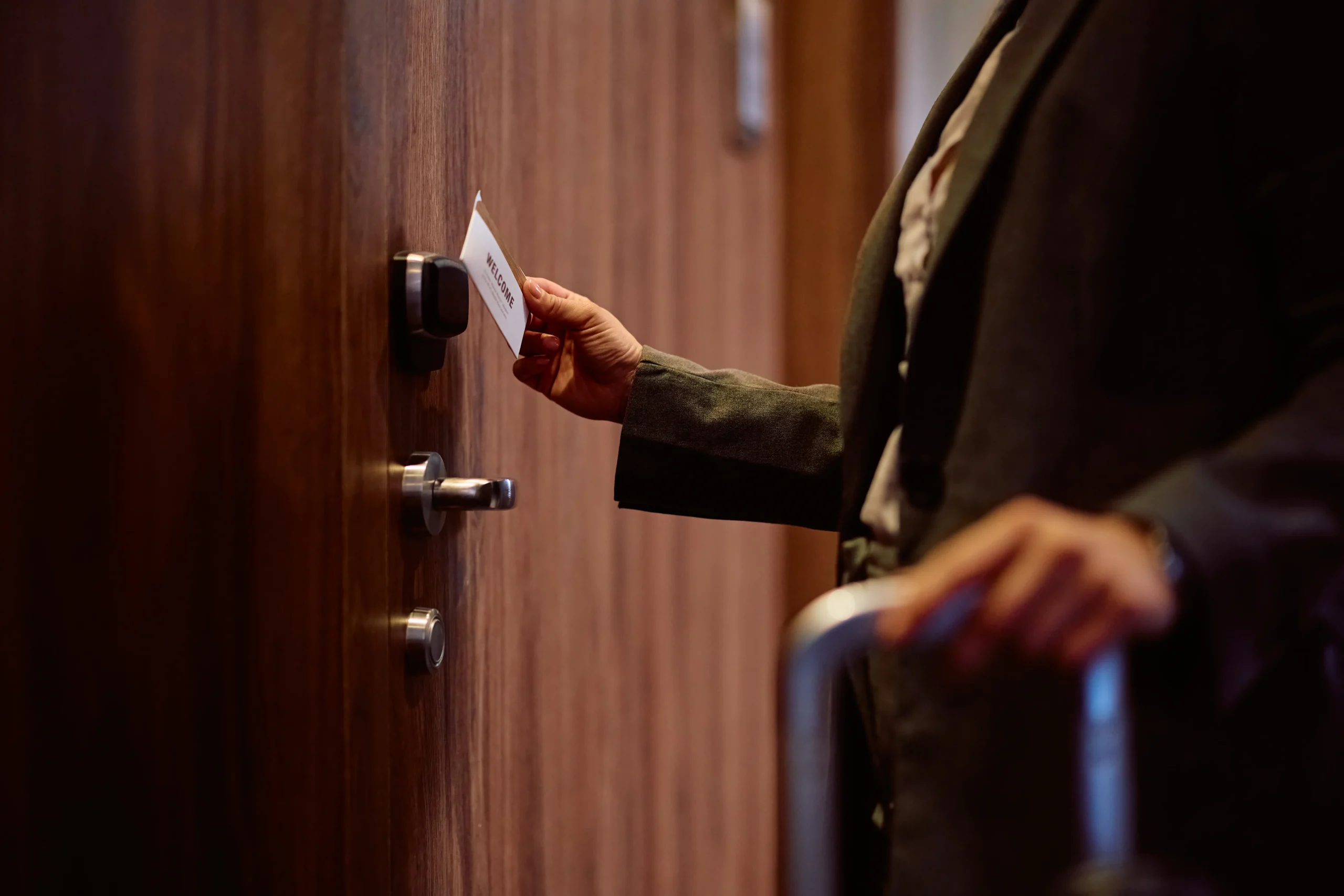
You’re not just locking a door. You’re protecting inventory, equipment, sensitive areas, and the people who work for you.
When you install a commercial access control system, you get rid of the constant key headaches. No more rekeying locks when someone quits or loses their keys. No more wondering if a former employee still has a way in. You assign access digitally, and you revoke it instantly when needed.
Every entry gets logged. You’ll know who unlocked which door and exactly when it happened. If something goes missing or an incident occurs, you’re not guessing. You have a timestamped record that tells you what you need to know.
And if you’re managing multiple entry points across your building, you control all of it from one system. Front door, back entrance, storage rooms, server closets—you decide who gets in where, and you change permissions without touching a single lock.
The McCausland family has been in locksmithing since the late 1800s. That’s not a marketing line—it’s just how long we’ve been doing this work in the Delaware Valley.
We run the largest locksmith operation in the area, and we’ve handled everything from cutting house keys to installing building access control systems for commercial properties across Delaware County. Our technicians specialize in access control and CCTV integration, so you’re working with people who actually know how these systems function in real environments.
We’re based in Prospect Park with a storefront you can walk into. We’re not a call center or a franchise. When you need service in Norwood, PA, you’re getting a local crew that’s been serving this community for over a century.
We start with a walkthrough of your property. You show us which doors need to be controlled, who needs access, and what your concerns are. We’re looking at entry points, traffic flow, and how people actually move through your building.
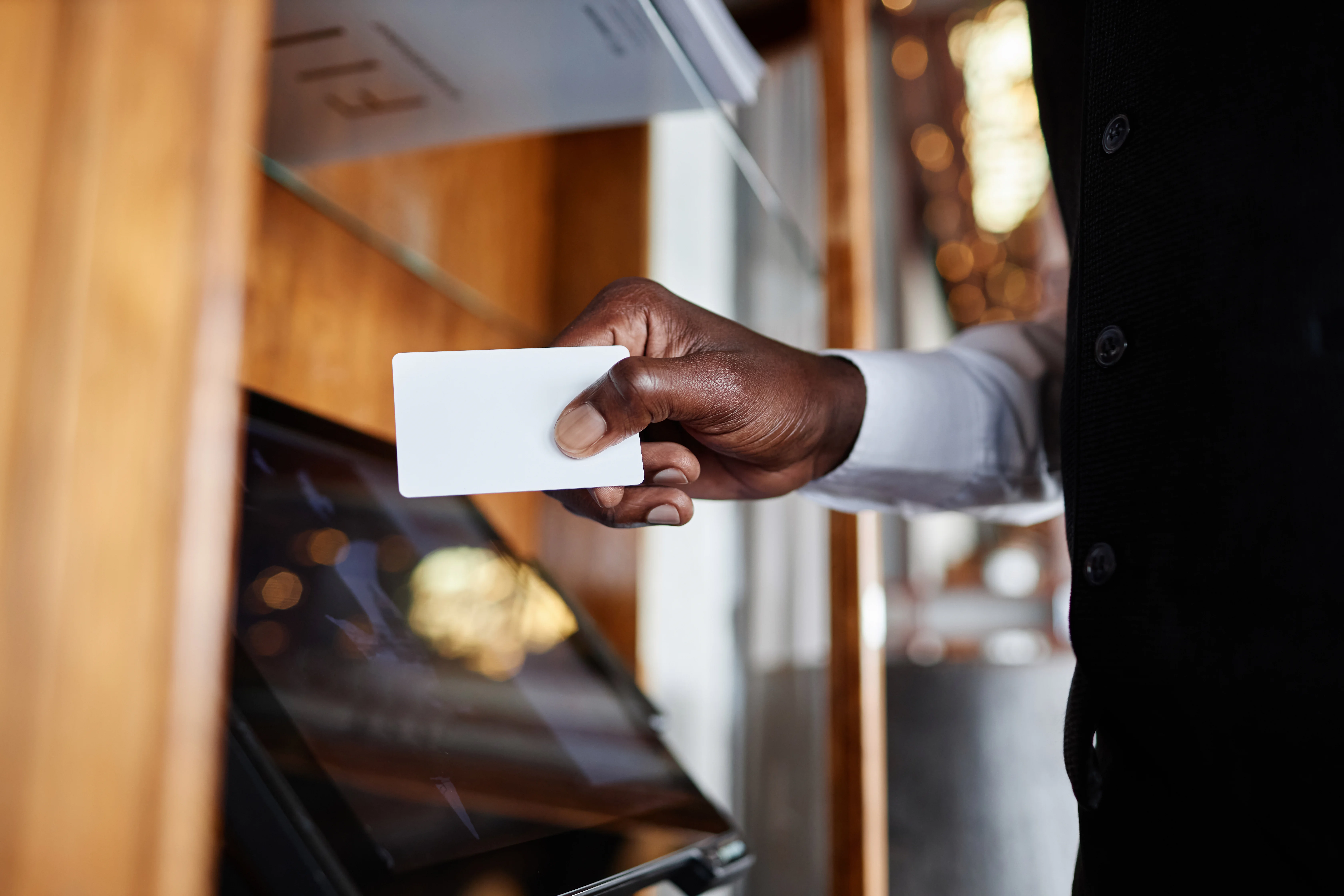
From there, we recommend a system that fits your setup. That might be card readers, keypads, mobile credentials, or a combination. If you’ve got existing CCTV or intercom systems, we’ll integrate with those so everything works together.
Installation happens on your schedule. We mount the hardware, wire the controllers, set up your software, and program your users. You’ll get a walkthrough of how to add or remove people, pull reports, and adjust permissions. It’s straightforward—you don’t need to be tech-savvy to manage it.
Once it’s live, you’re in control. If someone needs access, you add them. If they leave, you remove them. No lock changes, no key copies, no waiting on a locksmith to show up.
Ready to get started?
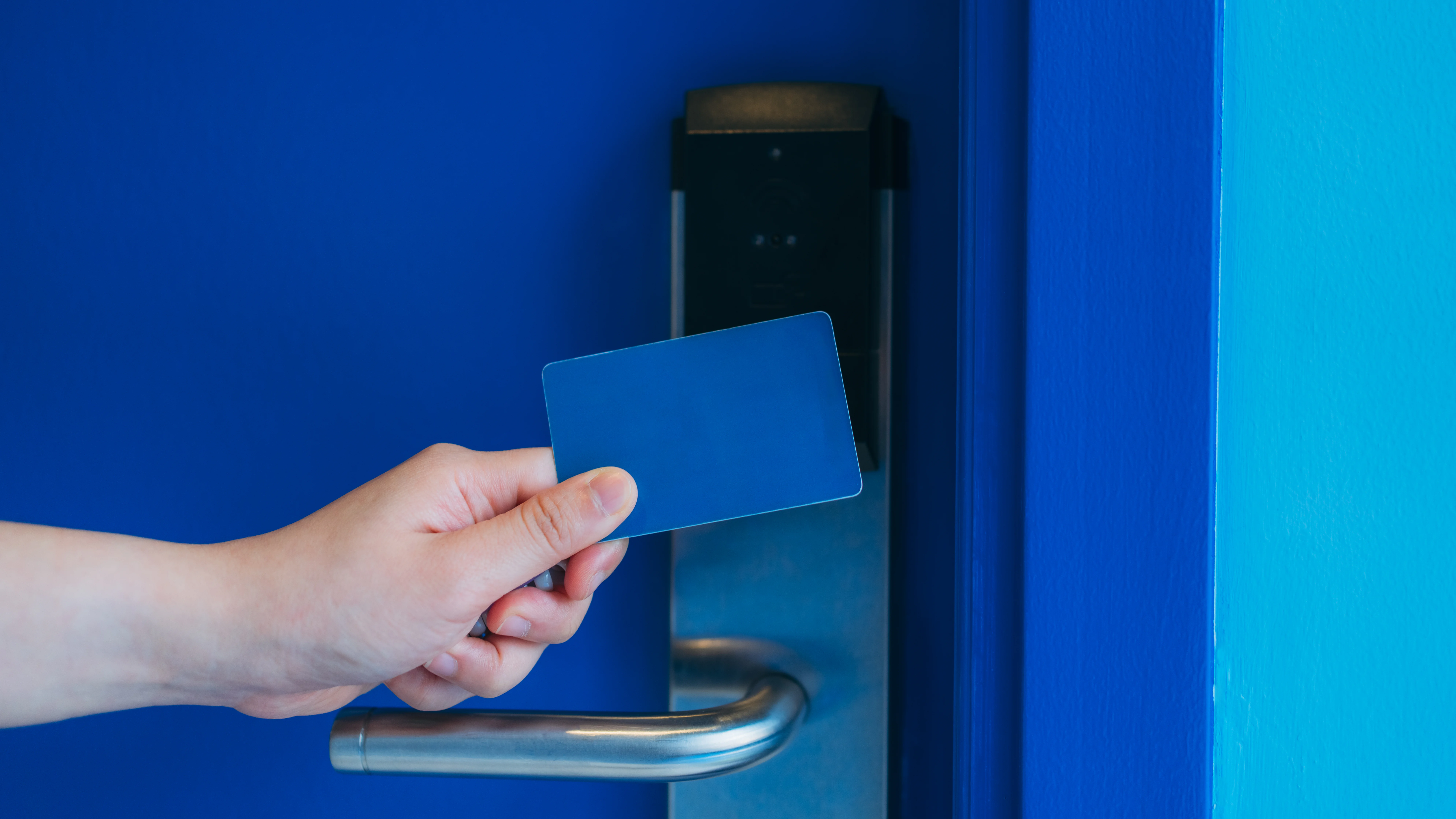
A door access control system gives you multiple ways to grant entry. Key cards and fobs are the most common, but you can also use PIN codes, smartphone apps, or biometric readers depending on your security needs. You pick what works for your team.
You get real-time monitoring and audit trails. Every unlock attempt is logged with a timestamp and user ID. If you need to see who entered a restricted area last Tuesday at 3 a.m., you can pull that report in seconds.
In Norwood, where many businesses operate out of older buildings with multiple tenants or shared access points, a gate access control system or building access control system helps you manage who’s allowed in after hours. You’re not handing out keys to contractors or delivery drivers—you’re giving them temporary credentials that expire when the job’s done.
You also get the ability to lock down your facility remotely. If there’s an emergency or you forgot to secure a door, you can control it from your phone. That kind of flexibility matters when you’re running a business and can’t always be on-site.

A basic lock uses a physical key. If that key gets copied, lost, or stolen, you’ve got a security problem that usually requires rekeying or replacing the lock. You also have no idea who used the key or when.
An access control system replaces the key with a credential—usually a card, fob, or code. You control who has that credential, and you can deactivate it instantly if needed. There’s no rekeying, no guessing, and no emergency locksmith calls at midnight because someone lost their keys.
The bigger difference is visibility. With a traditional lock, you’re blind. With access control, you see everything. You know who entered, when they entered, and whether they tried to access areas they’re not authorized for. That data becomes critical when you’re trying to secure a business, manage liability, or investigate an incident.
Yes. Most modern access control systems are designed to work with CCTV and other security infrastructure. When someone swipes a card or enters a code, the system can trigger your cameras to start recording at that specific door.
This integration gives you visual confirmation of who’s entering, not just a name in a log. If an access credential gets used and the person on camera doesn’t match the cardholder, you know something’s wrong immediately.
We handle the integration during installation. If you already have cameras in place, we’ll connect the access control system to your existing setup. If you don’t, we can install both at the same time so everything works together from day one. It’s a cleaner, more effective way to monitor your property than running separate systems that don’t communicate.
Cost depends on how many doors you’re controlling, what type of credentials you want, and whether you need additional features like remote access or integration with other systems. A single-door setup with basic card readers will cost less than a multi-door system with biometric scanners and mobile credentials.
For most small businesses in Norwood, you’re looking at a system that covers two to four entry points. That typically includes the hardware, installation, and initial programming. Ongoing costs are minimal—you’re mainly paying for new credentials when you add employees.
The better question is what it costs not to have one. If you’re rekeying locks every time someone leaves, paying for emergency lockouts, or dealing with theft because you can’t track who’s been in your building, those expenses add up fast. Access control usually pays for itself within the first year just by eliminating those recurring problems.
Most commercial access control systems have battery backup built into the controllers. If you lose power, the system keeps running for several hours—sometimes longer depending on the setup. Doors stay secure, and credentials still work.
If you lose internet, it depends on whether you’re using a cloud-based or local system. Local systems don’t need internet to function—they operate independently. Cloud-based systems usually cache credential data locally, so even without a connection, authorized users can still get in. You just won’t be able to make changes or view reports remotely until the connection is restored.
We design systems with these scenarios in mind. If your business can’t afford downtime or lockouts, we’ll recommend hardware and configurations that keep you operational even when things go wrong. Power outages and network issues are part of doing business—your access control system shouldn’t become a liability when they happen.
Yes. Mobile access control is becoming the standard for a lot of businesses because it eliminates the need to issue and manage physical cards. Employees download an app, and their phone becomes their credential.
It’s convenient for them—they’re already carrying their phone. It’s easier for you because there’s nothing to hand out, replace, or deactivate physically. When someone leaves, you just remove their access from the system and their phone stops working at your doors.
The technology uses Bluetooth or NFC, so employees just hold their phone near the reader to unlock the door. It works the same way as a card, but without the plastic. Some systems even let you combine methods—cards for some employees, phones for others—so you can accommodate different preferences without running separate systems.
For a typical small business with two to four doors, installation usually takes one day. We’re mounting readers, running wiring, installing controllers, and setting up your software. If your building requires more complex wiring or if you’re adding a lot of doors, it might take longer.
The timeline also depends on whether we’re retrofitting existing doors or working with new construction. Retrofit jobs are usually faster because the doors are already in place—we’re just adding the access control hardware. New construction gives us more flexibility with wiring, but it requires coordination with other trades.
Once the hardware is installed, we program your users and test the system to make sure everything works correctly. You’ll get training on how to manage credentials, pull reports, and adjust settings. Most business owners are comfortable using the system within the first day. It’s not complicated—if you can use a smartphone, you can manage an access control system.