
Hear from Our Customers
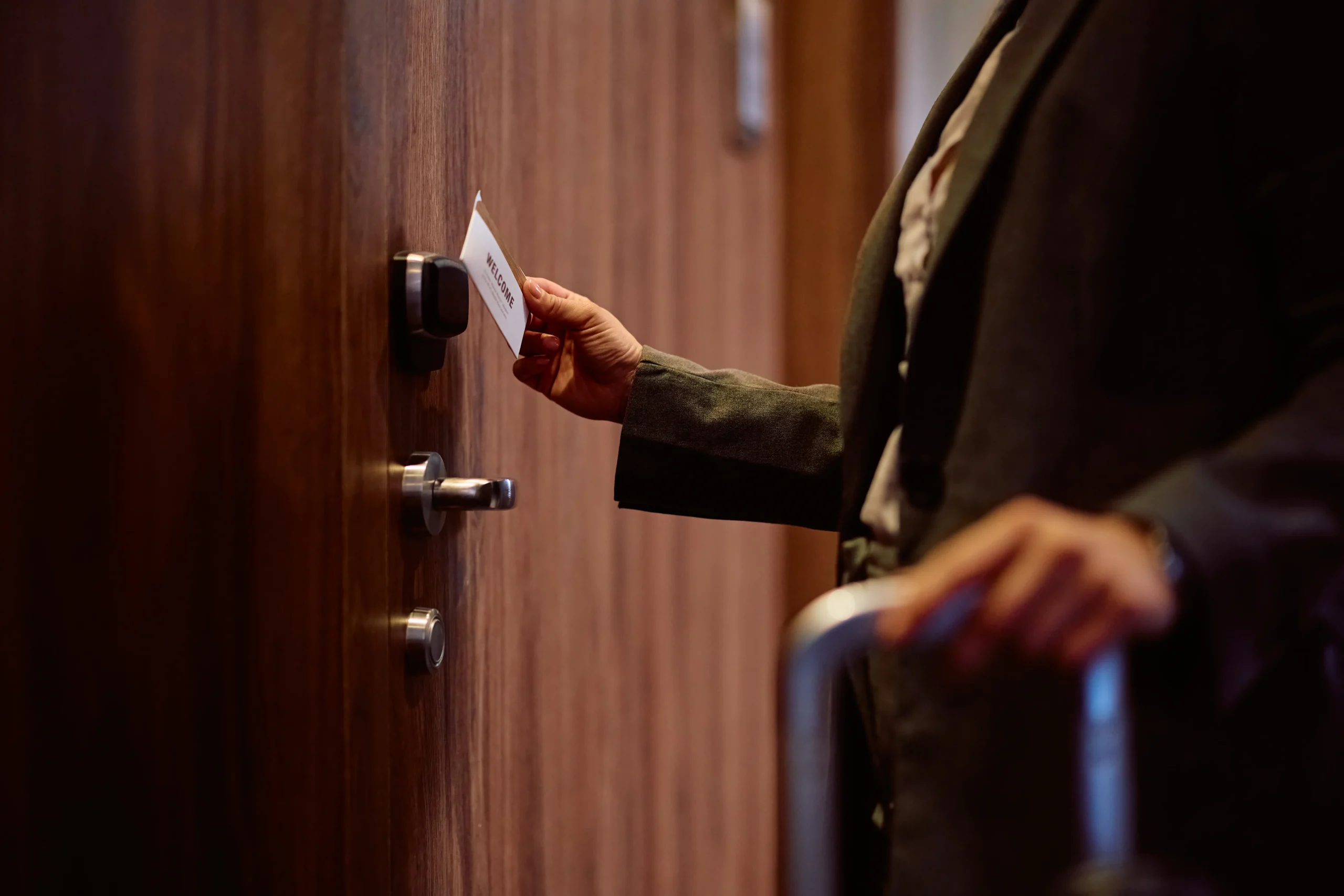
You’re dealing with keys that get copied, employees who clock in for each other, and doors that anyone can walk through if they time it right. That’s not security. That’s hoping nothing bad happens.
Access control changes that. You see who entered and when. You revoke access instantly when someone leaves. You stop tailgating because the system requires individual credentials. No more wondering if that side door got locked or if someone made copies of the master key.
For commercial properties in Drexel Hill, this matters more than you might think. Delaware County sees property crime rates around 30 per 1,000 residents. Your building is either protected or it’s a target. The difference is whether you control access or just react after someone’s already inside.
You also cut down on the administrative headaches. Time tracking integrates directly with entry data, so you’re not chasing down timesheet errors or dealing with buddy punching. The system handles it. You get accurate records without the back-and-forth.
We’ve been handling security in Delaware County since the late 1800s. We’re not new to this. Tom McCausland and his daughter Chrissy represent the fourth generation running the largest locksmith operation in the Delaware Valley from our Prospect Park storefront.
That means when you call, you’re getting people who’ve seen every type of building, every security challenge, and every failed system someone else installed. We’re members of the American Locksmith Association of Pennsylvania and authorized to work on Kwikset, Medeco, and Schlage systems with manufacturer-approved parts.
Drexel Hill businesses need local expertise, not a call center three states away. You need someone who can be on-site in 20 to 30 minutes when something goes wrong, and who stocks the parts to fix it the same day. That’s what 140 years of local operation gets you.
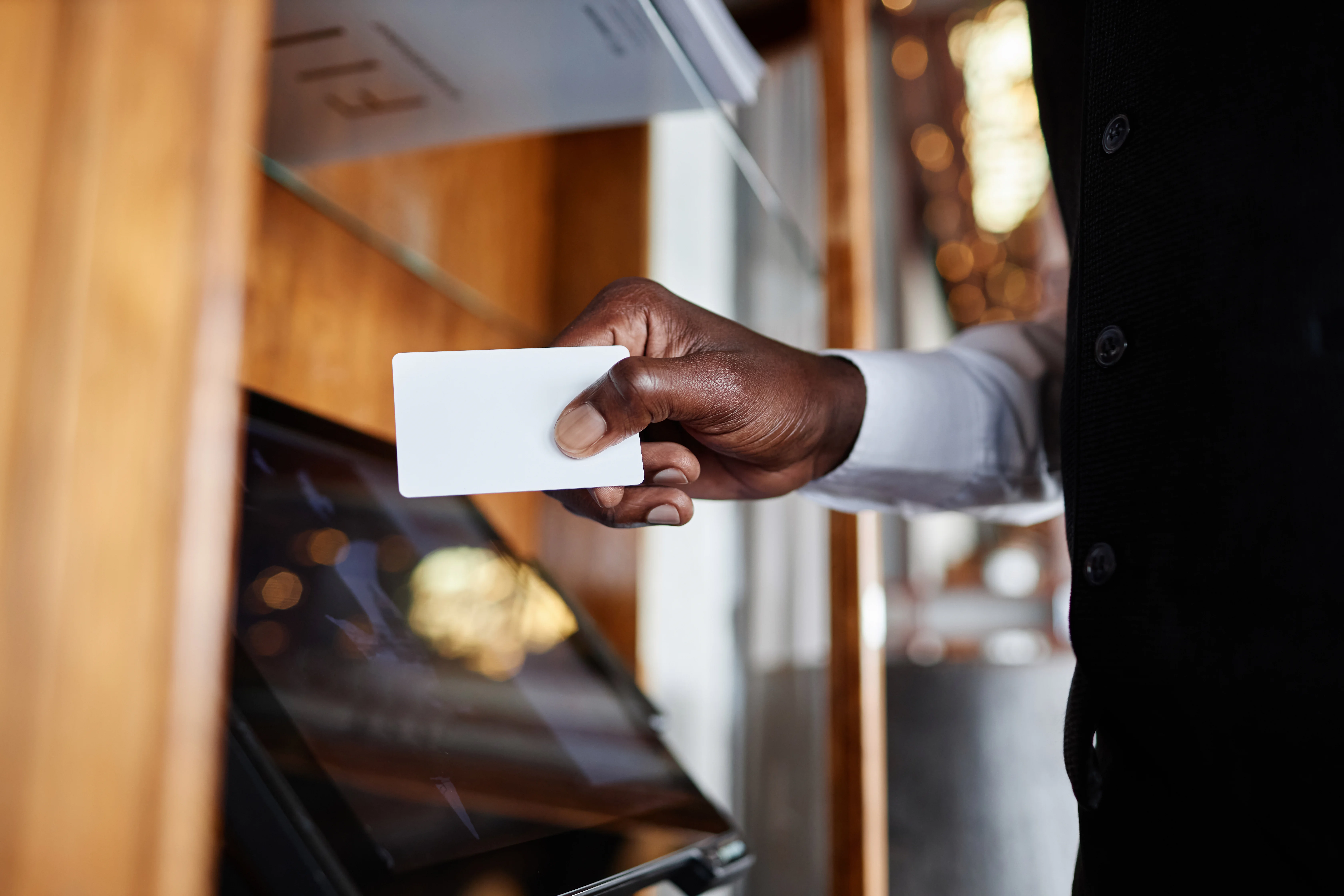
We start with a free walk-through of your property. You show us every door that needs control, every area where you need monitoring, and any specific concerns like employee entrances or delivery access. We’re looking at door types, existing hardware, power availability, and how people actually move through your building.
Then we recommend a system. Could be card readers if you need something straightforward and cost-effective. Could be biometric if you’re dealing with high-security areas or want to eliminate shared credentials entirely. Could be a combination. We’ll tell you what makes sense for your situation and your budget, not what makes us the most money.
Installation happens on your timeline. Most commercial access control systems go in within a day or two, depending on how many doors we’re covering. We mount the readers, run the wiring, install the control panels, and set up the software. You get trained on how to add users, pull reports, and manage access levels.
After that, you’re live. If something breaks or you need to add doors later, we’re local. You call, we show up. No waiting on a regional technician or dealing with a national company’s scheduling system.
Ready to get started?
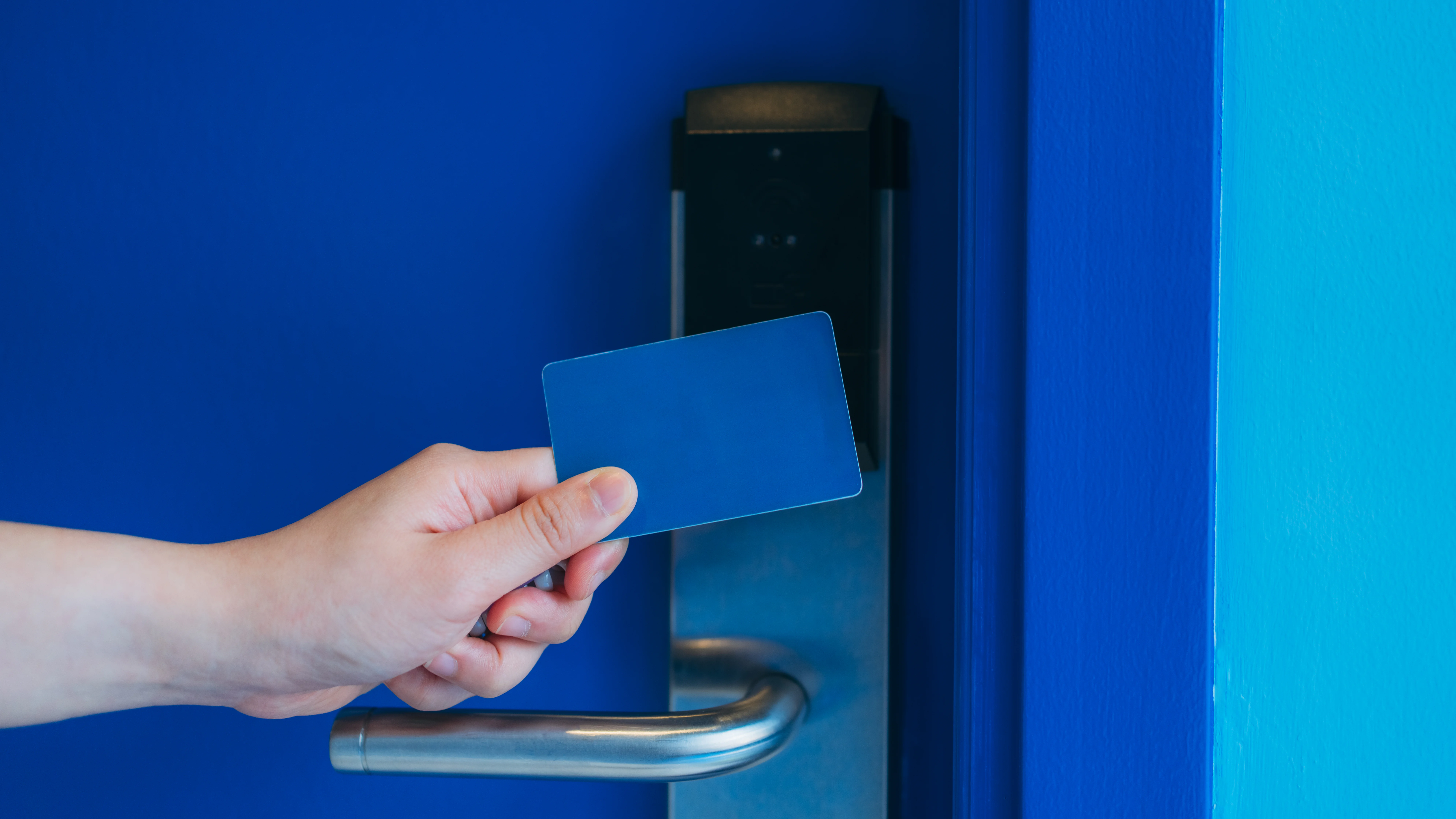
You’re getting door access control systems that fit your building, not a one-size-fits-all package. That includes card readers, keypads, or biometric scanners depending on what level of security you need. We install the electric strikes or magnetic locks that actually secure the door when the system denies access.
The control panel and software give you real-time monitoring. You see who’s trying to get in, who succeeded, and who got denied. You can lock or unlock doors remotely if you need to let someone in after hours or lock down the building in an emergency. Reports show you patterns, like which employees are consistently late or which doors get the most traffic.
For Drexel Hill properties with multiple tenants or buildings, we can set up one system that manages everything. You’re not juggling different platforms or trying to coordinate access across locations. It’s one dashboard, one set of credentials, one point of contact when you need support.
Integration with time and attendance systems is standard if you want it. The same credential that opens the door clocks your employee in. You eliminate time theft, which costs businesses an average of 5% of revenue annually. That’s real money you’re losing to people who round up their hours or have coworkers punch them in early.

You’re looking at $500 to $1,200 per door for basic keypad or card reader systems. That includes the reader, the electric strike or magnetic lock, wiring, and installation. If you want biometric readers for fingerprint or facial recognition, expect $2,300 to $5,000 per door depending on the technology and integration requirements.
The total cost depends on how many doors you’re securing and what features you need. A small office with three doors and basic card readers might run $2,000 to $3,500 installed. A larger commercial building with ten doors, biometric readers, and integrated time tracking could hit $25,000 to $40,000.
We give you a fixed quote after the walk-through. No surprises, no upselling once we’re on-site. You’ll know exactly what you’re paying before we start work.
Yes. That’s one of the main advantages of modern access control systems. You start with the doors that matter most right now, then expand as your needs or budget allows.
The control panel we install has capacity for additional readers. When you’re ready to add another door, we install the hardware, run the wiring, and add it to your existing system. You manage everything from the same software interface you’re already using.
This matters for growing businesses or properties that are phasing in security upgrades. You’re not locked into doing everything at once or replacing the whole system later because it can’t scale. We design it with expansion in mind from day one.
You deactivate their credential in the software immediately. Takes about 30 seconds. That card or fob no longer opens any doors, even if someone finds it and tries to use it.
Then you issue a new credential. We provide you with blank cards or fobs when we install the system, and you can program them yourself using the software. If you run out, we keep them in stock at our Prospect Park location. You can pick them up same-day or we can drop them off.
This is a huge improvement over traditional keys. When someone loses a key, you’re either hoping they don’t use it maliciously or you’re rekeying locks. With access control, you revoke access instantly and move on. No locksmith visit, no waiting, no risk.
Most commercial access control systems have battery backup that keeps them running for several hours during an outage. The control panel and readers stay powered, so your security doesn’t disappear the moment the lights go out.
Magnetic locks typically “fail-safe,” meaning they unlock when power is lost. That’s a fire code requirement so people can exit the building in an emergency. Electric strikes can be configured to “fail-secure” or “fail-safe” depending on the door and your security requirements.
If you need longer backup times or have specific concerns about extended outages, we can install larger battery systems or integrate with your building’s backup generator. We’ll talk through those options during the walk-through based on your building’s setup and your security priorities.
Yes, if you choose a system with remote access capabilities. Most modern commercial access control systems include software that you can access from any device with internet connection.
You can unlock doors remotely for deliveries or after-hours access. You can lock down the entire building if there’s a security threat. You can add or remove users without being on-site. You can pull reports to see who entered and when, even if you’re out of town.
Cloud-based systems make this even easier because there’s no server to maintain on your property. The data lives in the cloud, and you access it through a web browser or mobile app. We’ll recommend what makes sense based on how hands-on you want to be and whether you have IT staff to manage a local server.
Most installations take one to two days depending on how many doors we’re securing and how complex the wiring is. A small office with three or four doors usually gets done in a single day. Larger buildings with ten or more doors might take two days, especially if we’re running wire through finished walls or coordinating around your business hours.
We do the work when it’s least disruptive to your operation. If you need us there after hours or on weekends, we make that happen. The goal is to get you secured without shutting down your business for days.
After installation, we spend time training you and your team on the system. You’ll know how to add users, pull reports, and handle basic troubleshooting before we leave. Then you’re live, and we’re available if you need support.