Not all deadbolts deliver the same protection. ANSI grades, proper installation depth, and strike plate alignment determine whether your lock actually stops intruders or just looks like it does.
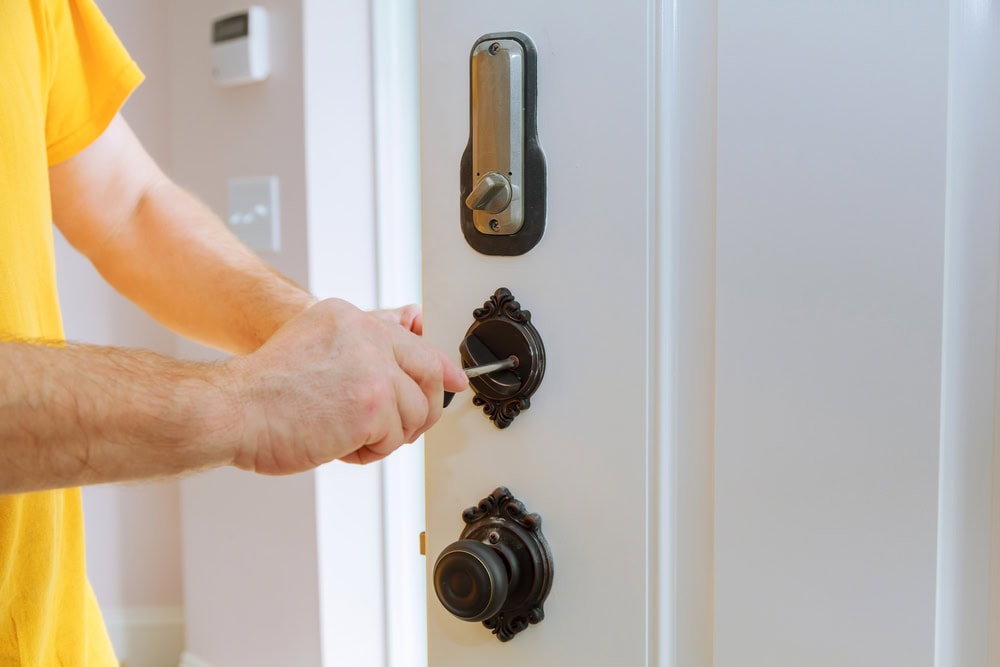
Regular door locks use a spring-loaded latch. Turn the knob, the spring retracts, and the door opens. Convenient, sure. But that spring is also the weak point.
Deadbolts don’t have springs. Instead, they use a solid metal bolt—usually steel or brass—that slides directly into the door frame when you turn the key or thumb latch. No spring means no give. The bolt stays put until you manually retract it.
That design makes deadbolts significantly harder to force, pry, or manipulate. The bolt typically extends one full inch into the frame, compared to the half-inch engagement you get with most spring latches. More metal in the frame means more resistance against kicks, crowbars, and brute force.
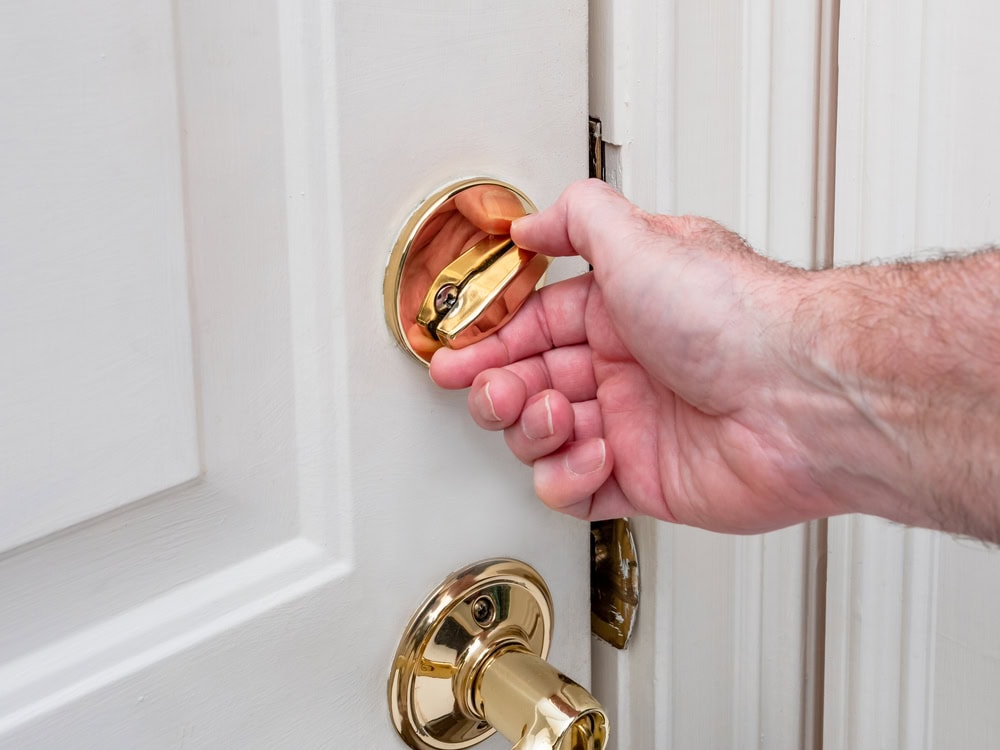
Walk into any hardware store and you’ll see deadbolts ranging from $15 to $200. The price difference isn’t just about the brand name stamped on the front. It’s about how much punishment the lock can actually take before it fails.
The American National Standards Institute (ANSI) tests deadbolts and assigns them one of three grades. Grade 3 is the minimum. Grade 1 is the highest. These aren’t marketing terms—they’re based on lab tests that measure cycle endurance, strike resistance, and strength under force.
Grade 3 deadbolts must survive 200,000 lock cycles and withstand three strikes at 75 pounds of force. That’s acceptable for low-risk interior doors or secondary entry points. Grade 2 locks handle 400,000 cycles and five strikes. They’re suitable for most residential front doors and light commercial use.
Grade 1 deadbolts are tested to one million cycles and must withstand ten strikes at 75 pounds of force. The bolt must be a full inch long, and the housing has to hold up under serious abuse. These locks are built for high-traffic commercial spaces and homes where security is a priority.
Here’s what the grades don’t tell you: ANSI ratings measure durability and resistance to brute force, but they don’t test vulnerability to picking, bumping, or drilling. A Grade 1 lock with a poorly designed cylinder can still be picked as easily as a Grade 3. That’s why the lock housing, bolt thickness, and drill-resistant plates matter just as much as the ANSI stamp.
When you’re choosing a deadbolt for your home in Delaware County, PA or Philadelphia County, PA, look for Grade 1 or Grade 2 from a reputable manufacturer. Schlage and Medeco locks consistently perform well in both forced and non-forced entry scenarios. Kwikset offers budget-friendly options with their SmartKey technology, though their housings tend to be lighter and more vulnerable to drilling than Schlage’s solid construction.
The bolt itself should be thick and long enough to sit snugly in the strike plate. A loose fit means the door can jiggle, giving intruders leverage. Quality deadbolts also include a drill-resistant plate covering the screws—a thin steel barrier that protects the lock’s mounting hardware from drill attacks.
Even a Grade 1 deadbolt fails if it’s installed wrong. The most common mistake? Not drilling the strike hole deep enough.
The bolt needs to extend fully into the door frame—at least one inch. If the hole isn’t deep enough, the bolt stops short. It looks locked from the inside, but it’s not actually engaging the frame properly. That makes it easier to force open with a kick or pry bar. You can test this yourself: lock the deadbolt with the door open, then close the door and try locking it again. If the thumb turn doesn’t stop in the same position both times, your strike hole isn’t deep enough.
Misalignment is another frequent issue. If the bolt hole in the door edge isn’t drilled at a perfect 90-degree angle to the main cylinder hole, the bolt binds when you try to lock it. That binding creates friction and wear, shortening the lock’s lifespan. Worse, it can prevent the bolt from fully extending, leaving a gap that reduces security.
Strike plate installation matters more than most people realize. The strike plate is the metal piece on the door frame that the bolt slides into. It should be recessed flush with the frame, not sitting proud. And the screws holding it in place need to be long enough to anchor into the wall stud—at least three inches. Short screws only grab the door jamb, which is usually just thin wood that splinters easily under force.
Measuring from the wrong edge of the door is a mistake that ruins the whole installation. Exterior doors have a beveled edge so they close tightly against the frame. The backset—the distance from the door edge to the center of the lock—must be measured from the long side of that bevel, not the short side. Measure from the wrong edge and your holes won’t line up with the lock mechanism.
Over-tightening or under-tightening the mounting screws causes problems too. Crank them down too hard and you can strip the threads or crack the lock housing. Leave them too loose and the lock wobbles, creating play that makes it easier to manipulate. There’s a balance, and it takes experience to feel when it’s right.
DIY installation isn’t impossible, but it requires precision, the right tools, and patience. One misplaced hole can mean buying a new door. That’s why professional deadbolt installation makes sense for most people—it’s not just about convenience, it’s about getting the lock to actually function as designed. A locksmith with decades of experience knows how to account for door thickness, frame material, and alignment issues that don’t show up in the instruction manual.
Want live answers?
Connect with a McCausland Lock Service expert for fast, friendly support.
Deadbolts come in two main configurations: single cylinder and double cylinder. The difference is simple but important.
Single cylinder deadbolts have a key slot on the outside and a thumb turn on the inside. You lock it from outside with a key, unlock it from inside by twisting the thumb turn. No key needed when you’re leaving. This is the most common setup for residential front doors because it’s convenient and meets fire safety codes—you can get out fast in an emergency.
Double cylinder deadbolts require a key on both sides. No thumb turn. That adds security if you have a window near the door, since an intruder can’t just break the glass, reach through, and unlock it from inside. But it also means you need a key to get out, which can be a safety hazard during a fire or emergency. Some local codes don’t allow double cylinder locks on primary exits for this reason.

The visible parts of a deadbolt—the keyhole, the finish, the thumb turn—get all the attention. But the parts you don’t see determine whether the lock actually stops an intruder.
The lock housing is the metal shell that surrounds the cylinder and locking mechanism. Cheap deadbolts use thin, hollow housings that a drill bit punches through in seconds. Quality locks like Schlage use thick, solid housings with no hollow spots. The extra weight and density make drilling significantly harder.
The bolt itself should be hardened steel, at least one inch long, and thick enough to resist sawing or prying. A longer, thicker bolt sits more securely in the strike plate, reducing the door’s ability to jiggle or flex under force. Schlage bolts are noticeably larger and more robust than Kwikset bolts, which is one reason they perform better in forced-entry tests.
Drill-resistant plates add another layer of protection. These are thin steel shields mounted in front of the lock cylinder and screws. They won’t stop a determined attacker with professional tools, but they make casual break-in attempts much harder. Schlage includes drill-resistant plates on most of their deadbolts. Kwikset often doesn’t, which leaves the screws and cylinder more exposed.
The screws matter too. Schlage uses #10-32 screws that are 2.25 inches long. Kwikset uses #8-32 screws at 1.5 inches. That half-inch difference and the thicker gauge mean Schlage locks anchor more securely to the door. Under force, longer screws distribute stress over more material, making the lock harder to rip out.
None of this is obvious when you’re looking at locks on a shelf. They all look similar from the front. But the internal construction—the housing thickness, bolt size, screw length, and drill resistance—determines how long the lock holds up when someone’s trying to kick your door in. That’s where the price difference between a $30 lock and a $100 lock actually shows up.
For homes in Delaware County, PA and Philadelphia County, PA, where property crime rates have been declining but break-ins still happen, investing in a well-constructed deadbolt makes sense. It won’t make your home invincible, but it raises the bar enough that most opportunistic burglars move on to an easier target.
Three brands dominate the residential deadbolt market: Schlage, Kwikset, and Medeco. Each has strengths depending on what you need.
Schlage offers the best balance of security and price for most homeowners. Their locks use solid brass or steel construction, longer mounting screws, and drill-resistant plates. The B60N model is a Grade 1 deadbolt that consistently performs well in both forced-entry and picking tests. Schlage locks cost more upfront—typically $80 to $150—but they last longer and resist tampering better than budget alternatives.
Kwikset is the budget-friendly option. Their locks are lighter, use shorter screws, and have thinner housings, which makes them more vulnerable to drilling and prying. But they’re not junk. Kwikset’s SmartKey technology lets you rekey the lock yourself without calling a locksmith, which is handy if you lose a key or move into a new place. Their locks typically run $30 to $60, making them accessible for people on a tight budget who still want better security than a basic doorknob.
Medeco is the high-security choice. Their locks use patented key control systems and pick-resistant cylinders that are significantly harder to bypass than standard pin-tumbler designs. Medeco deadbolts cost $200 to $400, but they’re built for situations where security is the top priority—high-crime areas, homes with expensive contents, or commercial properties. You’ll usually need to buy Medeco locks through a locksmith rather than a hardware store, since their restricted keyways aren’t widely available.
For most homes in Delaware County, PA and Philadelphia County, PA, a Grade 1 or Grade 2 Schlage deadbolt hits the sweet spot. It’s strong enough to deter casual break-ins, durable enough to last for years, and affordable enough that you’re not overpaying for features you don’t need. If you’re in a higher-risk area or just want maximum protection, Medeco is worth the investment.
Whatever brand you choose, professional installation ensures the lock performs as designed. Misalignment, shallow strike holes, and short mounting screws undermine even the best hardware. We’ve been installing locks correctly for over 140 years, and we know how to account for door thickness, frame material, and alignment issues that don’t show up in the instruction manual.
Deadbolts still matter because they work. Not because of marketing, but because physics and engineering make them harder to defeat than spring-latch locks. The right deadbolt, installed correctly, raises the difficulty level enough that most burglars move on.
Focus on three things: choose a Grade 1 or Grade 2 deadbolt from a reputable brand, make sure the strike hole is deep enough for full bolt extension, and use long screws that anchor into the wall stud. Those three factors determine whether your lock actually protects your home or just looks like it does.
If you’re in Delaware County, PA or Philadelphia County, PA and you’re ready to upgrade your locks or fix an installation that’s not working right, we’ve been handling this exact work for over 140 years. We know which locks hold up, how to install them so they function properly, and how to avoid the mistakes that compromise security. Reach out and let us get it done right.
Summary:
Article details:
Share: