Mail theft is surging in Delaware County and Philadelphia. Choosing the right mailbox lock—and having it installed correctly—can protect your checks, personal information, and peace of mind.
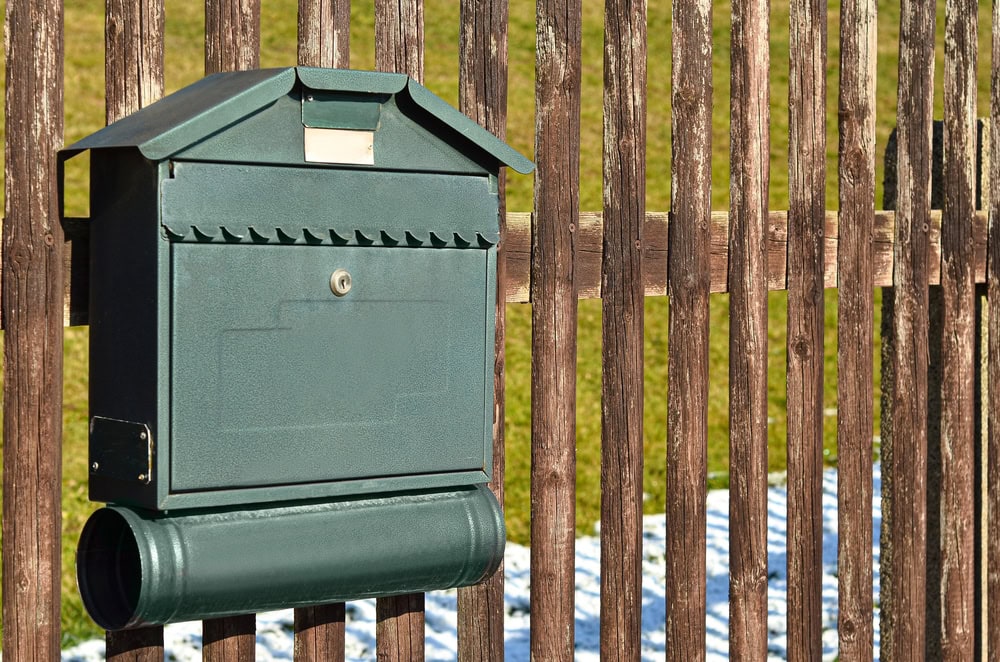
Mail theft isn’t slowing down. The Postal Service recorded over 52,000 high-volume mail theft attacks in 2024—a 156% increase since 2019. They’re on track for another 50,000 this year.
Delaware County and Philadelphia have been hit especially hard. Thieves have stolen checks from mailboxes in Springfield Township, Media, Drexel Hill, and even right outside police stations. Once they have your check, they use chemicals to wash off the ink, change the payee name, increase the amount, and cash it before you even realize it’s missing.
That stolen mail becomes identity theft, fraudulent accounts, and drained bank balances. Sixty percent of mail theft happens from unsecured mailboxes on private property—not USPS blue boxes. Your curbside mailbox is a target.
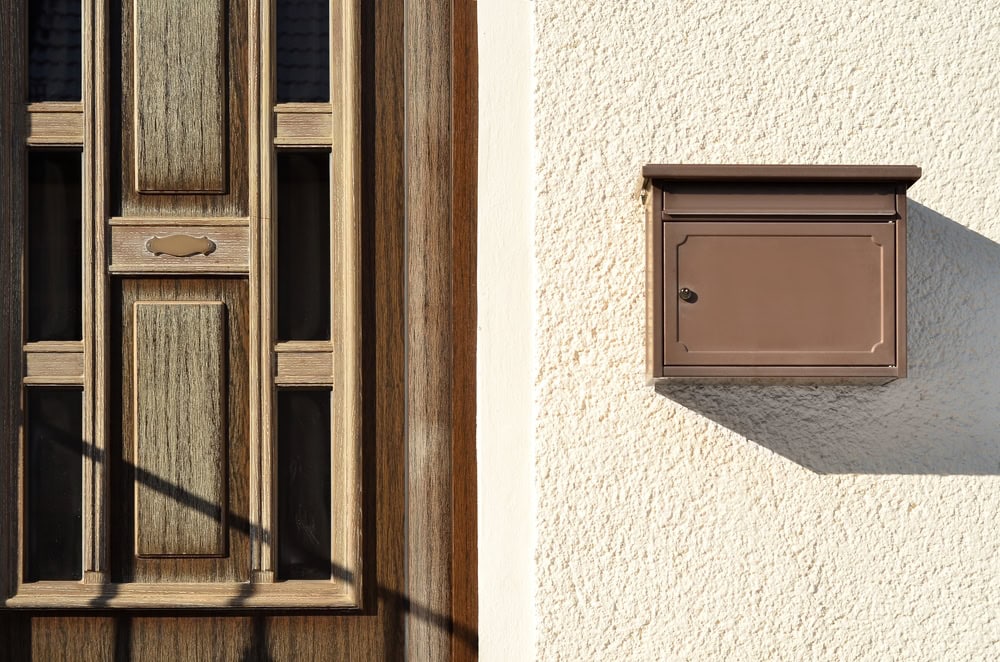
Not all mailbox locks provide the same level of security. The three most common types each serve different needs, and understanding the differences helps you choose what actually fits your situation.
Cam locks are the most common option for residential mailboxes. They’re straightforward—insert the key, turn, and the cam mechanism releases or secures the door. These locks are reliable, affordable, and easy to use. Most come with two to four keys, which is helpful if you need spares or want to give access to a family member. Cam locks work well for standard residential mailboxes and offer solid protection against casual theft attempts.
Combination locks eliminate the key entirely. Instead of fumbling with a key ring, you enter a code. This can be convenient if you’re prone to losing keys or if multiple people need access without passing around copies. The downside? If someone watches you enter the code, your security is compromised. And in cold weather, the dial mechanism can freeze or become stiff.
High-security locks take things further. These use disc tumbler systems or cylinder locks that resist picking and drilling. They’re built for situations where you need maximum protection—like if you’re receiving high-value mail, live in an area with repeated theft, or simply want the best deterrent available. They cost more upfront, but the added security is often worth it. Many feature anti-pry mechanisms and reinforced construction that make forced entry much harder.
Electronic or smart locks are gaining traction, especially for tech-savvy homeowners. These can be opened via Bluetooth, smartphone apps, or keypads. They offer convenience and can send alerts when your mailbox is accessed. However, they require batteries, can malfunction in extreme weather, and aren’t compatible with every mailbox style. They’re also more expensive and may require professional installation to ensure they meet USPS requirements.
Your choice depends on how much mail you receive, how often theft occurs in your area, and whether you want a simple upgrade or a comprehensive security solution. For most Delaware County and Philadelphia County residents dealing with rising mail theft, a quality cam lock or high-security lock provides the right balance of protection and practicality.
A lock is only as good as the features that support it. If the rest of your mailbox is flimsy or poorly designed, even a high-security lock won’t stop a determined thief. Here’s what makes a real difference.
Anti-pry mechanisms prevent thieves from wedging tools between the door and the mailbox body. Reinforced edges, tight tolerances, and overlapping door designs make it nearly impossible to force the door open without the key. Locking mailboxes built with anti-pry latches have proven far more resistant to tampering than standard models.
Anti-fishing baffles sit inside the mailbox, just below the mail slot. They’re angled barriers that allow mail to drop in but block hands, hooks, or tools from reaching back up to grab envelopes. This simple addition stops one of the most common theft methods—fishing mail out through the slot. If you’re installing a locking mailbox, make sure it includes a baffle or add one yourself.
Material quality matters more than people realize. Galvanized steel and powder-coated finishes resist rust and corrosion, which means your lock and mailbox will last through Pennsylvania winters and summer humidity. Cheaper materials—thin aluminum or plastic—might save money upfront, but they’re easier to pry open or break. A secure mailbox made from 14- or 16-gauge steel offers a much stronger defense.
Weather resistance protects the lock mechanism itself. Dust covers over the keyhole prevent moisture, dirt, and debris from gumming up the internal pins and springs. This keeps your key turning smoothly year-round and reduces the chance of the lock freezing in winter. Locks with sealed or protected mechanisms last longer and perform more reliably.
Capacity and design also play a role. If your mailbox is too small, mail sticks out of the slot, making it easy to grab. A larger capacity locking mailbox with a secure door ensures everything stays inside and protected. Rear-access doors let you retrieve mail from the back of the box, so you don’t have to step into the street—a nice safety bonus.
Visible deterrents work, too. A mailbox that clearly has a lock signals to thieves that it’s not an easy target. Most will move on to the unsecured mailbox down the block. Combine a quality lock with solid construction and thoughtful design, and you’ve created a mailbox that’s far more trouble than it’s worth for someone looking for a quick score.
Want live answers?
Connect with a McCausland Lock Service expert for fast, friendly support.
Installing or replacing a mailbox lock typically costs between $70 and $120, including parts and labor. That’s a relatively small investment compared to the potential loss from a single stolen check or identity theft incident.
The cost varies depending on the type of lock, the complexity of the installation, and whether you’re upgrading an existing mailbox or installing a new one. Cam locks are usually on the lower end of the range, while high-security or electronic locks push toward the higher end. If your mailbox requires modifications to fit the new lock, that can add to the labor cost.
DIY replacement might seem tempting, but it comes with risks. Poor installation can damage your mailbox, create alignment issues, or fail to meet USPS standards—especially for centralized mail systems in apartment complexes. A professional locksmith ensures the job is done correctly the first time, with no gaps in security and no compliance headaches.
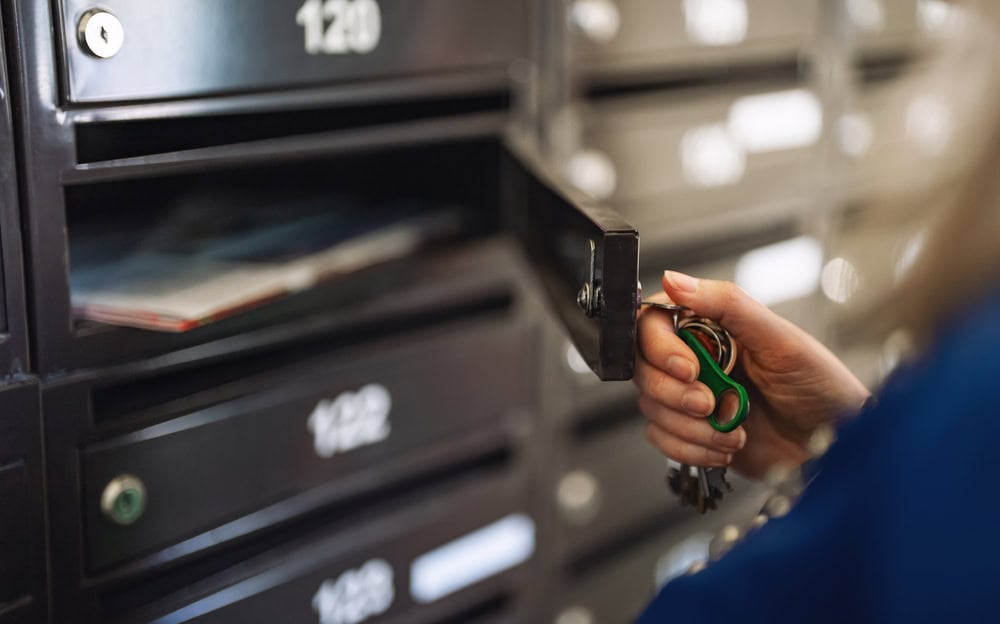
Mailbox lock installation isn’t just about drilling a hole and turning a screw. It requires understanding lock mechanisms, mailbox construction, and USPS regulations. Getting it wrong can compromise your security or violate postal guidelines.
USPS compliance is a big deal, especially for cluster mailboxes or centralized systems in apartment buildings and commercial properties. The Postal Service has strict rules about who can service these mailboxes and how locks must be installed. If you’re replacing a lock on a USPS-owned or managed mailbox, only authorized personnel—or a licensed locksmith familiar with the regulations—should handle it. Violating these rules can result in fines or loss of mail service.
Even for privately owned residential mailboxes, professional installation ensures the lock is properly aligned, securely fastened, and fully functional. A misaligned lock can jam, making it difficult to open or close. A loose lock can be pried off with minimal effort. We have the tools and experience to install the lock cleanly, test it thoroughly, and make sure it works smoothly under all conditions.
We also help you choose the right lock for your specific mailbox. Not all locks fit all mailboxes. The thickness of the door, the placement of existing hardware, and the type of mounting mechanism all affect compatibility. We can assess your mailbox, recommend the best lock, and install it without trial and error.
Another advantage: we provide warranties and guarantees on our work. If something goes wrong—a key breaks, the lock malfunctions, or the installation isn’t secure—we’ll fix it at no additional cost. That peace of mind is worth the service fee.
In Delaware County and Philadelphia County, where mail theft is a serious and growing problem, professional installation ensures your mailbox lock does what it’s supposed to do: keep your mail safe. It’s not the place to cut corners or gamble on a YouTube tutorial. With our experience in residential mailbox security, we’ll get it done right, fast, and without the headaches.
Knowing when to replace your mailbox lock can save you from a theft incident or a frustrating lockout. Locks don’t last forever, and certain warning signs tell you it’s time for an upgrade.
If you’ve lost your key and don’t have a spare, replacement is usually the safest option. You could try to have a locksmith make a new key by decoding the lock, but that’s not always possible—especially if the lock is worn or hard to access. Replacing the lock gives you fresh keys and eliminates any concern about who might have access to the old ones.
Sticking, jamming, or difficulty turning the key are clear signs of internal wear. Locks exposed to outdoor conditions—rain, snow, humidity, temperature swings—can develop rust, corrosion, or debris buildup inside the mechanism. If your key doesn’t turn smoothly or you have to jiggle it to get the lock to open, the internal components are failing. Continuing to use a compromised lock increases the risk of it breaking entirely, leaving you locked out or, worse, leaving your mailbox unsecured.
Visible damage is another red flag. If the lock looks pried, scratched, dented, or tampered with, someone may have tried to break in. Even if they didn’t succeed, the lock’s integrity is compromised. Replace it immediately to restore full security.
Moving into a new home is a smart time to replace the mailbox lock, even if it looks fine. You don’t know who has keys from the previous owner—family members, contractors, neighbors. Changing the lock ensures only you and your household have access. The same logic applies if you’re a landlord or property manager dealing with tenant turnover. New residents deserve a secure mailbox, and you eliminate liability by providing fresh locks.
Age and outdated technology also matter. If your mailbox lock is more than 10 years old, it may not offer the same level of security as newer models. Lock technology has improved, with better resistance to picking, drilling, and forced entry. Upgrading to a modern lock can significantly increase your mailbox’s security without replacing the entire unit.
If mail theft has been reported in your neighborhood, don’t wait for your mailbox to be targeted. Proactive replacement with a high-security lock makes your home a less appealing target and protects you before a problem occurs.
Mail theft isn’t going away. It’s getting worse, especially in Delaware County and Philadelphia County. But you don’t have to be an easy target.
The right mailbox lock—installed correctly—stops most theft attempts before they happen. It protects your checks, your personal information, and your peace of mind. Whether you choose a cam lock, a high-security option, or a smart lock, make sure it’s compatible with your mailbox, built to last, and professionally installed.
If you’re ready to upgrade your mailbox security or need a lock replaced, we’ve been serving Delaware County and Philadelphia County for over 140 years. We know mailbox locks, USPS requirements, and what actually works in this area. Reach out and let us get it done right.
Summary:
Article details:
Share: